
LPG Supply Concerns Rise Amid Iran Tensions: Proposal to Reduce Cylinder Fill to 10 Kg
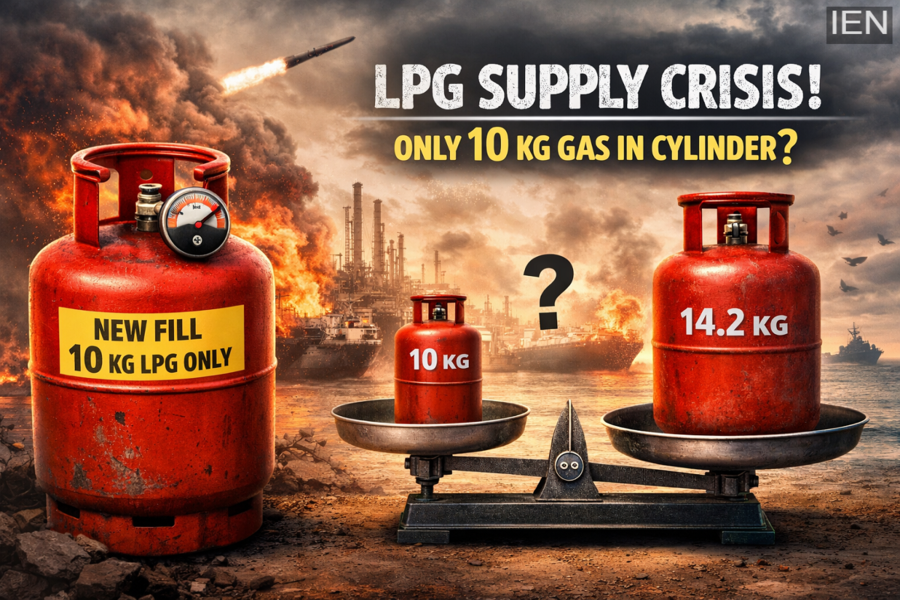
LPG Crisis Alert 2026: Government May Cut Domestic Cylinder Quantity to Manage Supply Shortage
Amid escalating tensions in the Middle East and concerns over a possible conflict involving Iran, worries about LPG supply in India are intensifying. Reports suggest that oil marketing companies are exploring a temporary measure to tackle potential shortages by reducing the quantity of gas supplied in domestic cylinders.
According to emerging discussions, the standard 14.2 kg LPG cylinder used in Indian households may soon be filled with only 10 kg of gas. This step is being considered as a contingency plan to ensure that available stock can be distributed more evenly across a larger number of households.
⚠️ Why LPG Supply Is Under Pressure
The current situation stems from disruptions in global supply chains, particularly from the Middle East, which is a major supplier of LPG to India. Rising geopolitical tensions and war-like conditions linked to Iran have affected shipping routes and delayed imports.
India relies heavily on imports to meet its LPG demand—around 60% of the country’s LPG requirement is imported, and nearly 90% of this supply comes from Gulf nations. Any disruption in this region directly impacts domestic availability.
Recent reports indicate that only two LPG cargo ships carrying about 92,700 tonnes of gas have managed to pass through the Strait of Hormuz—an amount equivalent to just one day’s requirement for India. This highlights the severity of the supply bottleneck.
📉 Proposed Plan: Less Gas, Wider Distribution
To prevent a complete shortage in certain regions, oil companies are considering reducing the gas quantity per cylinder. Under this proposal:
- A 14.2 kg cylinder will carry only 10 kg LPG
- Cylinders will be relabeled to clearly indicate the reduced quantity
- Prices are likely to be adjusted proportionately, offering some cost relief to consumers
Industry experts believe this approach could help distribute limited resources more efficiently and avoid sudden supply breakdowns in any particular area.
However, implementing this plan will require technical modifications at bottling plants and approvals from regulatory authorities before it can be rolled out nationwide.
🏠 Impact on Household Consumption
Typically, a standard 14.2 kg LPG cylinder lasts around 35 to 40 days for an average family. With the reduced quantity of 10 kg, the usage period may drop to approximately 25 to 30 days.
While this may require households to refill cylinders more frequently, it could help ensure that a larger number of families continue receiving gas during the crisis period.
📊 Rising Demand and Limited Supply
The pressure on LPG supply is further compounded by increasing demand. India’s total daily LPG consumption stands at around 93,500 tonnes, of which 86% (about 80,400 tonnes) is used for domestic purposes.
Although there has been a slight dip in consumption—around 17% decline in early March—the gradual restoration of commercial sector demand is again putting pressure on available stock.
Additionally, several LPG tankers are currently stuck in the Persian Gulf region, awaiting clearance to pass through critical shipping routes. This delay is expected to worsen supply uncertainties in the coming days.
🗣️ Government’s Stand on the Situation
Despite the concerns, the government has assured that efforts are being made to maintain regular supply for consumers. Officials from the Petroleum Ministry have emphasized the need for responsible gas usage and conservation during this period.
Authorities are closely monitoring the situation and working on contingency measures to avoid major disruptions. Earlier restrictions on commercial LPG supply have also been partially lifted, reaching about 40% of pre-crisis levels.
🌍 Global Factors Adding to Uncertainty
The Strait of Hormuz remains a critical chokepoint for global energy shipments. Any prolonged disruption in this route can have widespread consequences. Reports also suggest rising geopolitical rhetoric, with warnings of potential escalation if shipping routes remain blocked.
At present, six Indian LPG tankers are reportedly stranded in the Gulf region, awaiting safe passage. This adds another layer of uncertainty to the supply outlook.
📝 Final Takeaway
While no final decision has been officially implemented yet, the proposal to reduce LPG cylinder quantity reflects the seriousness of the situation. If approved, it could serve as a temporary solution to balance supply and demand during a challenging period.
Consumers are advised to stay updated with official announcements and use LPG judiciously. As global conditions evolve, the availability and pricing of LPG in India may continue to fluctuate in the coming weeks.
