
LPG Shortage Hits Delhi-NCR: Retail Gas Prices Soar to ₹400/kg, 14.2 kg Cylinders Offered Up to ₹5,100
Rising LPG Shortage Raises Costs for Households and Small Businesses
A growing shortage of liquefied petroleum gas (LPG) in parts of India, particularly in the Delhi-NCR region, is beginning to affect everyday life for households and small businesses. Despite government assurances that the country has adequate LPG reserves, ground reports from local markets indicate a different reality.
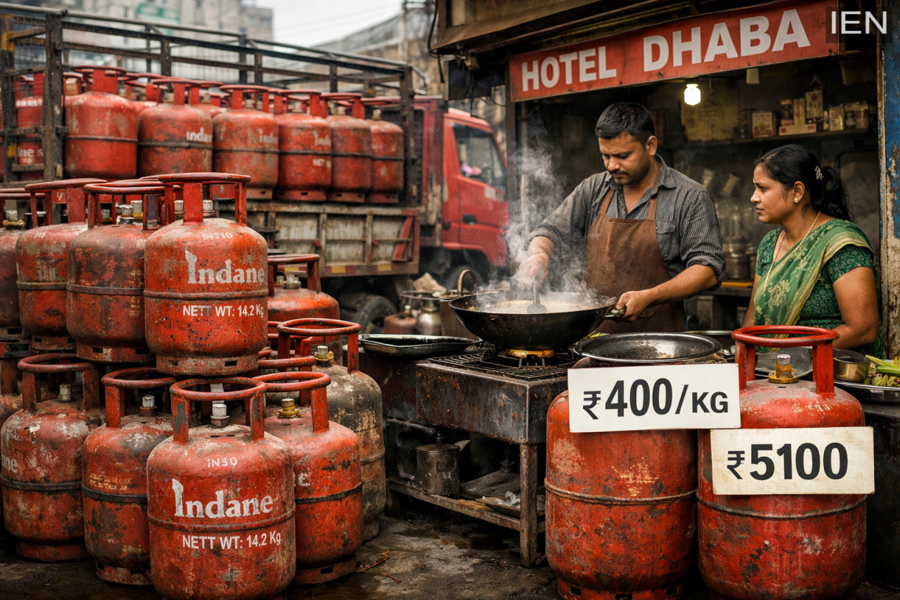
In several retail markets across Delhi and nearby areas such as Noida, LPG is reportedly being sold at sharply inflated prices. Some vendors are offering gas for as much as ₹200–₹400 per kilogram, while a standard 14.2-kg domestic cylinder is being quoted anywhere between ₹3,500 and ₹5,100 in informal markets.
The sudden spike in prices and inconsistent supply has put pressure on consumers, especially those who rely on retail sellers rather than official gas connections.
Retail Gas Prices Climb as Supply Dries Up
A visit to retail LPG outlets in areas such as New Ashok Nagar in Delhi revealed that many shops selling cooking gas were either closed or out of stock. Vendors reported that they had not received fresh supplies for days and were uncertain about when new deliveries would arrive.
Shopkeepers said that upstream supply disruptions have forced them to suspend sales in many cases. In the few outlets where limited stock was available, vendors were prioritizing long-standing customers and selling gas at significantly higher prices due to increased procurement costs.
One retailer, speaking on condition of anonymity, said he was currently selling LPG at around ₹400 per kilogram because he had to buy it at higher prices himself. At that rate, a full 14.2-kg cylinder could cost consumers nearly ₹5,100.
Similar conditions were reported in Noida’s Raipur Khadar area near Sector 126, where retailers said their stock had run out on March 12. While they expected fresh supplies soon, gas was still being sold in the area for around ₹200–₹250 per kilogram.
Cylinders Offered at ₹3,500 in Informal Market
Some distributors associated with Bharatgas indicated that current supplies are being prioritized for customers with official LPG connections. As a result, those attempting to purchase cylinders through informal channels are finding it increasingly difficult.
Out of several vendors contacted, most refused to sell cylinders outside official bookings. However, one vendor reportedly offered a 14.2-kg cylinder for around ₹3,500.
The government recently extended the mandatory waiting period for LPG cylinder refills to 25 days, which appears to have tightened informal supply chains. Many retailers who previously sourced cylinders through unofficial channels are now facing shortages, leading to higher prices and reduced availability in the open market.
Small Food Businesses Feel the Pressure
The LPG supply crunch is also affecting small eateries and roadside food stalls. In Noida’s Sector 125, a small dhaba run by Tapan and his wife has been struggling to maintain operations due to rising fuel costs.
According to Tapan, obtaining a cylinder has become extremely difficult even when he is willing to pay several times the usual price.
As operating expenses increase, the couple has had no choice but to raise the price of their meals. A thali that previously cost ₹60 is now being sold for ₹70 — an increase of nearly 15%.
Tapan’s wife said that even offering ₹5,000 for a cylinder does not guarantee supply. She added that after managing the food stall during the day, they often spend four to five hours searching for gas, yet still return empty-handed.
Government Claims Adequate Supply
Officials maintain that LPG availability across India remains sufficient and that registered domestic consumers are continuing to receive their cylinders through official distribution networks.
Industry observers say the shortage being experienced in retail markets may be partly linked to stricter enforcement against unauthorized cylinder sales. Many retailers previously depended on cylinders purchased informally and resold in the open market. As regulatory oversight increases, those supply chains appear to be shrinking.
This has left consumers who rely on retail sellers facing temporary shortages and higher prices.
Global Tensions Add Pressure to Energy Markets
Another factor contributing to the uncertainty is rising geopolitical tension in West Asia. India imports nearly 85–90% of its LPG requirements from this region, making domestic supply sensitive to developments there.
When geopolitical conflicts escalate, shipping routes become riskier and transportation costs increase. This can raise the overall cost of oil and gas imports, eventually affecting prices in the domestic market.
Recent military actions involving Iran, Israel, and the United States have heightened tensions in the region. Such instability in global energy supply chains often has ripple effects in large importing countries like India.
A Market Under Strain
For now, the situation highlights the gap between official supply systems and retail-level realities. While households with registered LPG connections may still be receiving regular deliveries, others dependent on informal markets are facing rising costs and limited availability.
If global tensions continue and supply chains remain disrupted, pressure on LPG markets could persist, affecting both consumers and small businesses across urban areas.
