
LPG Rules: How many LPG cylinders can you keep at home? Exceeding this limit could lead to confiscation..
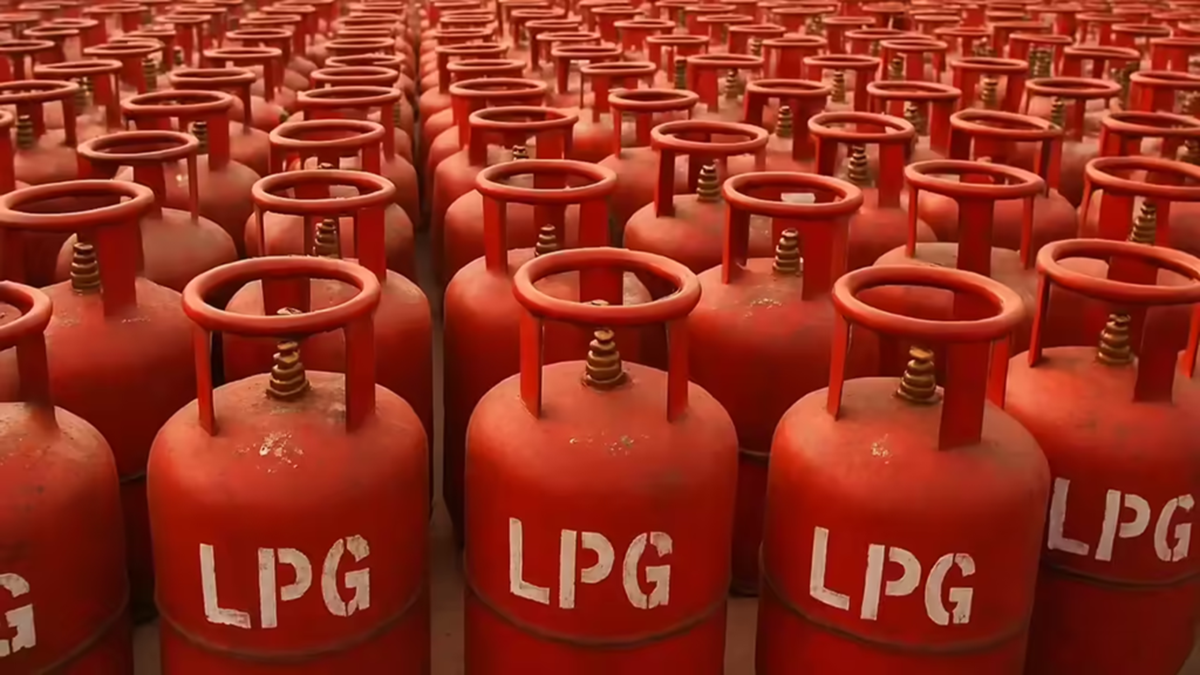
A shortage of LPG gas cylinders is currently being observed in several areas. The implementation of a system requiring a 25-day interval between cylinder bookings and deliveries has heightened fears among people about running out of gas. Consequently, some individuals have started stockpiling more cylinders than necessary at home, raising concerns about black marketing and hoarding.
In light of these concerns, administrations in several states have taken action against the hoarding of LPG cylinders. During a special drive conducted in Odisha in August 2026, approximately 8,208 LPG cylinders were seized. FIRs were registered against 46 individuals, and 492 cases were filed under the Essential Commodities Act.
Few people are likely aware that keeping more than the permitted number of LPG cylinders at home can be considered a violation of regulations. Generally, domestic consumers are allowed to keep two LPG cylinders at a time—one in use and the other as a backup. If a household is found to possess more than this number of filled cylinders, the individual could face charges of hoarding and subsequent legal action. Here is a look at the rules regarding the storage of domestic LPG cylinders and the circumstances under which issues may arise.
**Rules for storing LPG cylinders at home**
Under the Essential Commodities Act, 1955, domestic consumers are generally permitted to keep a maximum of two 14.2 kg LPG cylinders. One cylinder is kept in use, while the other serves as a backup or spare. If an individual stockpiles more LPG cylinders than required for normal household needs, it may be classified as hoarding. In such cases, authorities may conduct an investigation, and action could be taken for violating the rules.
**What can happen in such a situation?**
If more than two LPG cylinders are found in your home, authorities may investigate the matter. However, if you are found to be in violation of the rules, the additional cylinders may be confiscated, and action could be taken against you.
LPG is classified as an essential commodity; therefore, instances of black marketing, hoarding, or illegal storage can attract legal action under the Essential Commodities Act, 1955.
Disclaimer: This content has been sourced and edited from NDTV India. While we have made modifications for clarity and presentation, the original content belongs to its respective authors and website. We do not claim ownership of the content.
