
LPG Rule Update: From transfers to refill bookings... know these 6 rules related to LPG cylinders..
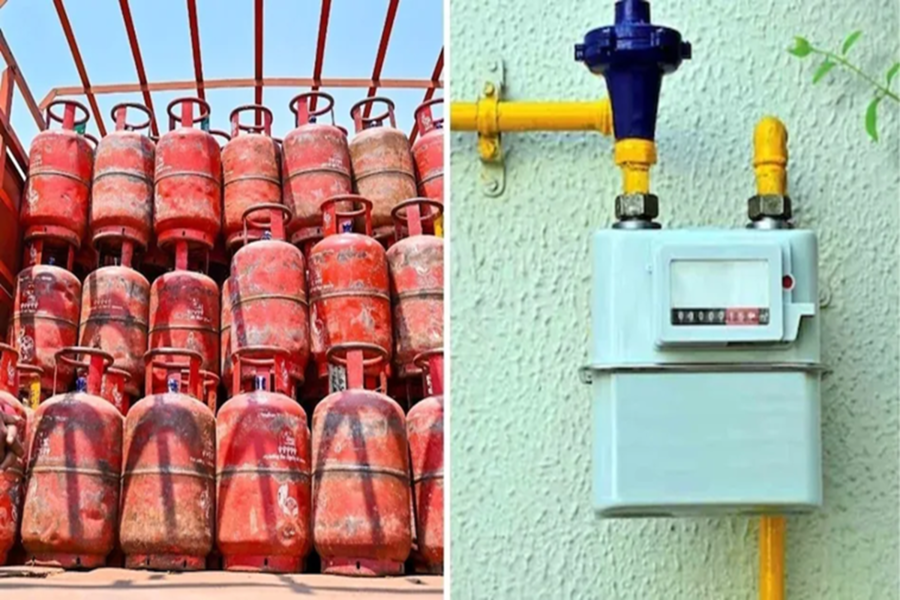
LPG Rule Update: There is crucial news for the millions of consumers who use LPG gas cylinders. Gas companies have issued important guidelines regarding LPG connection transfers, refill bookings, and switching to Piped Natural Gas (PNG). If you are moving house, relocating to another city, or wish to switch from LPG to a PNG connection, it is essential to be aware of these new rules.
Officials have advised consumers to safely preserve all documents and vouchers received during the process of transferring a gas connection or switching to PNG. Doing so will help avoid any future complications.
Experts believe that if local gas agencies adhere to these rules correctly, consumers will receive better and more convenient service. They emphasized that LPG customers should be informed about the new regulations concerning connection transfers, refill bookings, and the switch to Piped Natural Gas (PNG).
1. Notify the gas agency before moving house
If you are moving to a new home, the first step is to inform your gas agency (whether it is Indane, HP Gas, or Bharat Gas). You will need to apply for a connection transfer. You may be required to submit documents such as an identity proof, proof of the new address, the gas book/consumer card, and the original connection voucher.
2. The process is easier if shifting within the same area
The process is quite simple if your new address falls within the service area of the same distributor. If your new home is within the service area of your current gas agency, the agency will simply update your address. Gas cylinder deliveries will then continue without interruption. Once you visit the agency, the distributor updates the customer's address, ensuring uninterrupted LPG cylinder delivery.
3. A TTV is required when moving to a different area
If your new address falls within the service area of a different gas agency, obtaining a Transfer Termination Voucher (TTV) from your current agency is mandatory. The new gas agency will process the transfer of your connection based on this document. To complete the transfer, you must submit this document and other required paperwork to the distributor in the new area.
4. What to do when shifting to another city?
If you are moving to another city, you must first return your LPG cylinder and regulator to your current gas agency. The agency will then issue a termination voucher and refund the security deposit. In the new city, the new agency will issue a new connection after verifying the documents.
5. New consumer number after transfer
The new gas agency will convert the TTV into a Transfer Subscription Voucher (TSV) and issue a new consumer number. You will then be able to book LPG cylinder refills from your new address.
6. Do this before getting a PNG connection
Over 13.4 lakh new PNG connections have been provided across the country in the last six months. However, this represents only 20% of the government's target of providing 60 lakh new PNG connections. This target was announced earlier this year to strengthen domestic energy distribution. If you wish to switch from LPG to PNG, make sure to first obtain information regarding the necessary documents and procedures from your local gas agency.
Appeal to customers
Officials have advised customers planning to switch from LPG to PNG to first inquire with their local gas distributor about all terms and required documents. They also advise keeping all transfer-related documents and vouchers safe to ensure a smooth transition.
Industry experts state that while lower commercial LPG cylinder prices may offer some relief, it is crucial for local distributors to properly implement these regulations to ensure hassle-free service for customers.
Disclaimer: This content has been sourced and edited from Money Control. While we have made modifications for clarity and presentation, the original content belongs to its respective authors and website. We do not claim ownership of the content.
