
LPG Refill Rules Changed: Households with PNG Connection May Lose Subsidised LPG Cylinder Access
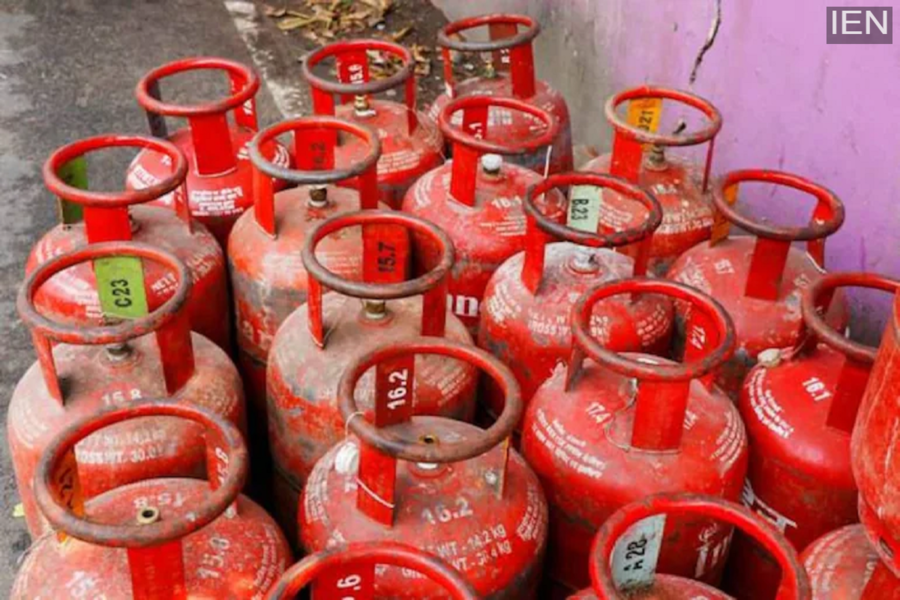
The Government of India has introduced a significant change in the rules governing domestic LPG distribution. According to a recent directive issued by the Ministry of Petroleum and Natural Gas, certain households will no longer be eligible to receive or refill subsidised LPG cylinders.
The decision aims to improve the distribution of cooking gas across the country and prevent misuse of subsidised LPG. Under the revised order, families that already have access to piped natural gas (PNG) may be restricted from maintaining or refilling LPG connections.
This move comes at a time when global energy markets are facing uncertainty due to geopolitical tensions, which have affected supply chains and energy transportation routes.
Why the Government Changed LPG Distribution Rules
The new policy is designed to ensure that subsidised LPG cylinders reach households that truly depend on them for cooking. Officials believe that families with access to PNG already have a reliable gas supply and therefore should not continue to use subsidised LPG cylinders.
By limiting LPG availability for such households, the government hopes to:
-
Reduce misuse of subsidised LPG cylinders
-
Improve distribution efficiency
-
Ensure better availability for households without piped gas supply
-
Manage supply during global energy disruptions
The policy change has been implemented through amendments to the LPG Control Order.
Who Will Not Be Eligible for LPG Refill
Under the new directive, oil marketing companies have been instructed not to issue or refill LPG cylinders for households that already have PNG connectivity.
Key points of the new rule include:
No new LPG connections for PNG users
Families with access to a piped natural gas network will not be eligible to receive new LPG connections.
Refill restrictions
Existing LPG connections belonging to PNG-connected households may no longer be eligible for cylinder refills.
Surrender of existing connections
Households that currently use both PNG and LPG will be required to surrender their LPG connections.
The government believes that this measure will help prevent dual usage of subsidised gas resources.
Global Tensions and LPG Supply Concerns
The government’s decision also comes amid rising concerns about energy supply disruptions caused by geopolitical tensions in the Middle East. The ongoing conflict involving Iran, the United States, and Israel has led to uncertainty in global energy markets.
The Strait of Hormuz, one of the world’s most important energy shipping routes, has been closely monitored as tensions escalate. Any disruption in this region could impact LPG shipments and supply chains.
Current Status of LPG Shipments to India
Despite the challenging global situation, officials have indicated that LPG shipments to India are continuing.
According to statements from the Ministry of Ports, Shipping and Waterways, two Indian-flagged LPG vessels carrying approximately 92,700 tonnes of LPG have successfully crossed the Strait of Hormuz and are heading towards India.
Special Secretary Rajesh Kumar Sinha confirmed that several Indian ships are currently stationed in the western Persian Gulf, and the vessels named Shivalik and Nanda Devi have already passed through the route safely.
These shipments are expected to arrive at Mundra and Kandla ports around March 16 and March 17, ensuring continued supply for the country.
What This Means for Consumers
For households that rely solely on LPG cylinders, the government has assured that supply will continue as usual. The restrictions are mainly targeted at households that already have piped natural gas infrastructure available.
Consumers with PNG connections are advised to review their current gas usage and prepare to transition fully to piped gas if they currently maintain both LPG and PNG services.
Conclusion
The government’s latest decision to restrict LPG refills for PNG-connected households marks a major shift in India’s cooking gas distribution policy. The move is intended to ensure better allocation of subsidised LPG while addressing potential supply challenges amid global geopolitical tensions.
As the country continues to monitor international energy developments, the revised LPG rules are expected to help maintain stable supply for households that depend entirely on LPG cylinders.
