
LPG Rate Today: Has the cylinder price gone up today amidst US-Iran tensions? Check the rates quickly.
LPG Rate Today: The US and Iran have clashed once again. This has completely shattered the ceasefire that had been in place in West Asia for the past three weeks. Consequently, crude oil prices are also rising.
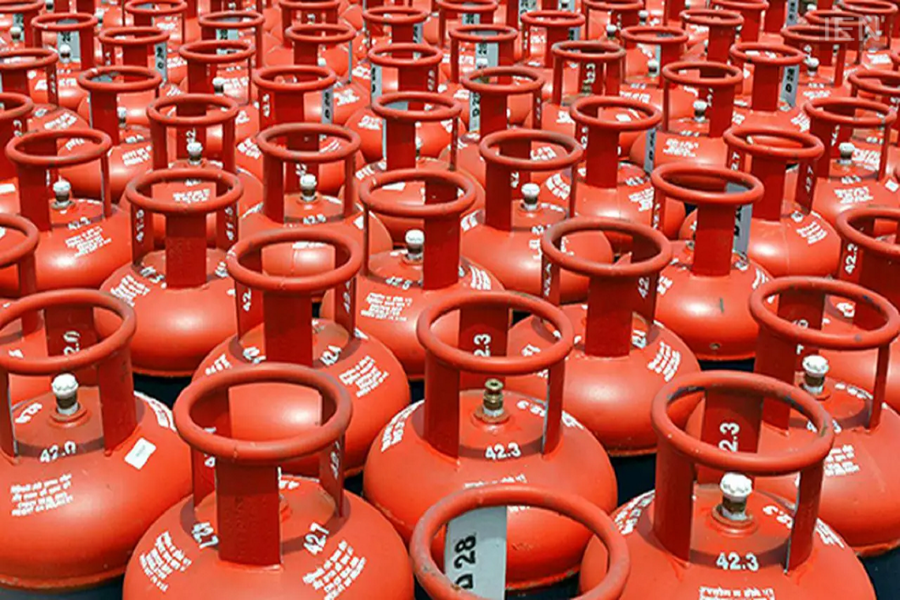
LPG Rate Today (July 15): State-owned oil companies (IOCL, BPCL, HPCL) have made no changes to LPG prices across the country today. Despite the blockade of the Strait of Hormuz and escalating tensions in West Asia, the prices of both commercial and domestic gas cylinders remain stable. Earlier, on July 1, the price of the 19 kg commercial cylinder was slashed by ₹183.50, while the price of the 14.2 kg domestic LPG cylinder was raised by ₹29 on June 7; prices have remained unchanged since then.
City-wise LPG prices today
| City | Domestic Cylinder Price | Commercial Cylinder Price |
|---|---|---|
| Delhi | ₹942.0 | ₹2930.0 |
| Mumbai | ₹941.5 | ₹2885.5 |
| Kolkata | ₹968.0 | ₹3082.0 |
| Chennai | ₹957.5 | ₹3106.0 |
| Chandigarh | ₹951.5 | ₹2954.5 |
| Dehradun | ₹961.0 | ₹2983.5 |
| Hyderabad | ₹934.0 | ₹2052.5 |
| Bhubaneswar | ₹968.0 | ₹3115.0 |
| Thiruvananthapuram | ₹951.0 | ₹2970.5 |
Renewed tensions between the US and Iran
The ceasefire that had been in effect in West Asia for the last three weeks has completely collapsed. While US Central Command targets coastal cities, radar systems, missile sites, and air defense systems in southern Iran, the US military has completely encircled Iran's maritime routes with over 20 warships and hundreds of fighter jets. This has brought shipping traffic from Iranian ports to a standstill.
Meanwhile, Iran has retaliated by launching missiles at US military bases in Gulf nations such as Bahrain, Kuwait, Jordan, and Oman. This intense military confrontation has impacted crude oil prices; having previously dipped to $71 per barrel, prices are now gradually climbing back toward their peak levels.
This situation could affect petrol, diesel, and LPG prices in India in the near future, as the majority of India's energy shipments pass through the Strait of Hormuz. Beyond the existing pressure of high crude prices, a disruption in the Hormuz supply chain would force ships and tankers to take the much longer route via the Cape of Good Hope. This would increase transit times and freight costs; furthermore, rising marine insurance premiums would drive up fuel prices within the country.
