
LPG Price Hike: A big shock on the new year, LPG cylinder becomes ₹111 more expensive.
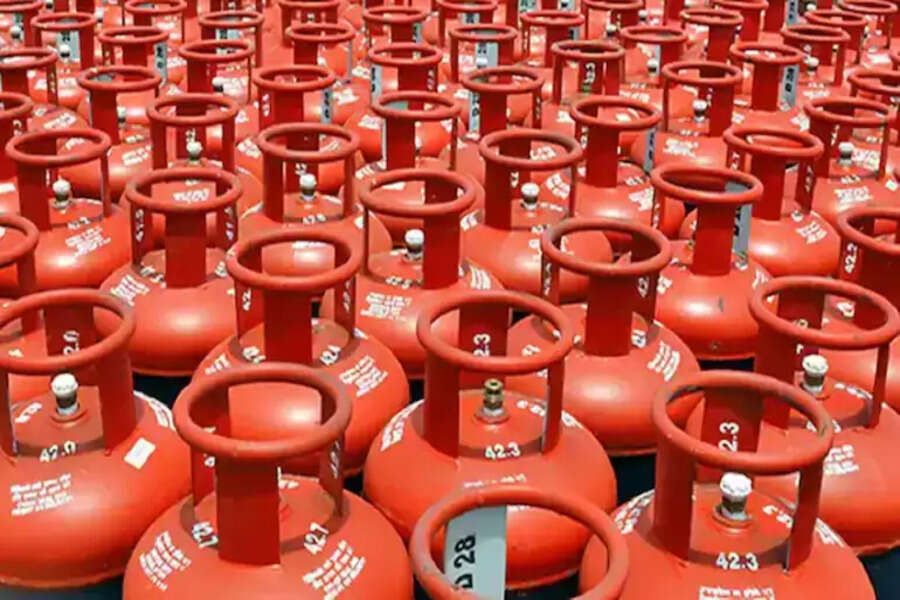
LPG Price Hike on New Year 2026: Commercial Gas Cylinder Becomes Costlier by ₹111, Check Latest Rates
LPG Price Hike: The new year has begun with a significant blow for businesses dependent on commercial cooking fuel. On January 1, 2026, oil marketing companies announced a sharp increase in the prices of 19-kg commercial LPG cylinders, raising rates by ₹111 per cylinder. This revision has come into effect immediately and is expected to impact hotels, restaurants, dhabas, and other commercial establishments across the country.
It is important to note that this price hike applies only to commercial LPG cylinders. There has been no change in the prices of domestic LPG cylinders used in households, offering some relief to common families.
Commercial LPG Cylinder Prices Revised Across Major Cities
Following the latest revision, the cost of a 19-kg commercial LPG cylinder has increased significantly in all major metros. The updated prices are as follows:
-
Delhi: ₹1,691.50 (earlier ₹1,580.50)
-
Kolkata: ₹1,795 (earlier ₹1,684)
-
Mumbai: ₹1,642.50 (earlier ₹1,531.50)
-
Chennai: ₹1,849.50 (earlier ₹1,739.50)
This hike comes after a brief relief in December 2025, when commercial LPG prices were marginally reduced. From December 1, 2025, prices were cut by ₹10 in Delhi and Kolkata, and by ₹11 in Mumbai and Chennai. However, the January 2026 increase has more than offset that reduction.
Who Will Be Most Affected by This Price Hike?
Commercial LPG cylinders are widely used in:
-
Hotels and restaurants
-
Roadside eateries and dhabas
-
Catering services
-
Small food businesses and bakeries
With fuel costs rising sharply, business owners may face higher operational expenses. This could eventually lead to increased food prices for consumers, especially in urban areas where commercial LPG usage is high.
No Change in Domestic LPG Cylinder Prices
While commercial users face rising costs, there is good news for households. The price of 14.2-kg domestic LPG cylinders has remained unchanged.
Domestic LPG prices were last revised on April 8, 2025, and have stayed stable since then. Current domestic LPG rates in major cities include:
-
Delhi: ₹853
-
Kolkata: ₹879
-
Mumbai: ₹852.50
-
Chennai: ₹868.50
-
Lucknow: ₹890.50
-
Ahmedabad: ₹860
-
Hyderabad: ₹905
-
Varanasi: ₹916.50
-
Patna: ₹951
This stability will help households manage their monthly budgets amid rising prices of other essential goods and services.
Aviation Turbine Fuel (ATF) Prices Reduced
Alongside the LPG price hike, oil companies have announced a reduction in aviation turbine fuel (ATF) prices, providing some relief to the aviation sector.
According to public sector fuel retailers:
-
ATF prices have been reduced by 7.3%
-
In Delhi, ATF now costs ₹92,323.02 per kilolitre, a cut of ₹7,353.75 per kilolitre
This reduction follows three consecutive months of price hikes:
-
December 1, 2025: Increase of ₹5,133.75 per kilolitre (5.4%)
-
November 1, 2025: Around 1% hike
-
October 1, 2025: 3.3% increase
Lower ATF prices could help airlines reduce operational costs, potentially leading to cheaper air tickets in the coming weeks.
Overall Impact on Consumers and Businesses
The increase in commercial LPG prices at the start of 2026 highlights the volatile nature of fuel costs. While businesses may struggle with higher expenses, households have been shielded for now due to unchanged domestic LPG rates. Meanwhile, the reduction in ATF prices offers hope for air travelers after months of rising fares.
Conclusion
The year 2026 has begun with mixed signals for consumers and businesses alike. The ₹111 hike in commercial LPG cylinder prices is a major concern for the food and hospitality industry, while stable domestic LPG prices bring relief to households. At the same time, the cut in ATF prices may ease travel costs. Consumers and business owners alike are advised to stay updated on fuel price trends, as these changes directly influence everyday expenses and service costs.
