
LPG Price 16 October 2026: What is the cost of a gas cylinder in Delhi, Mumbai, and Kolkata? Check the new rates..
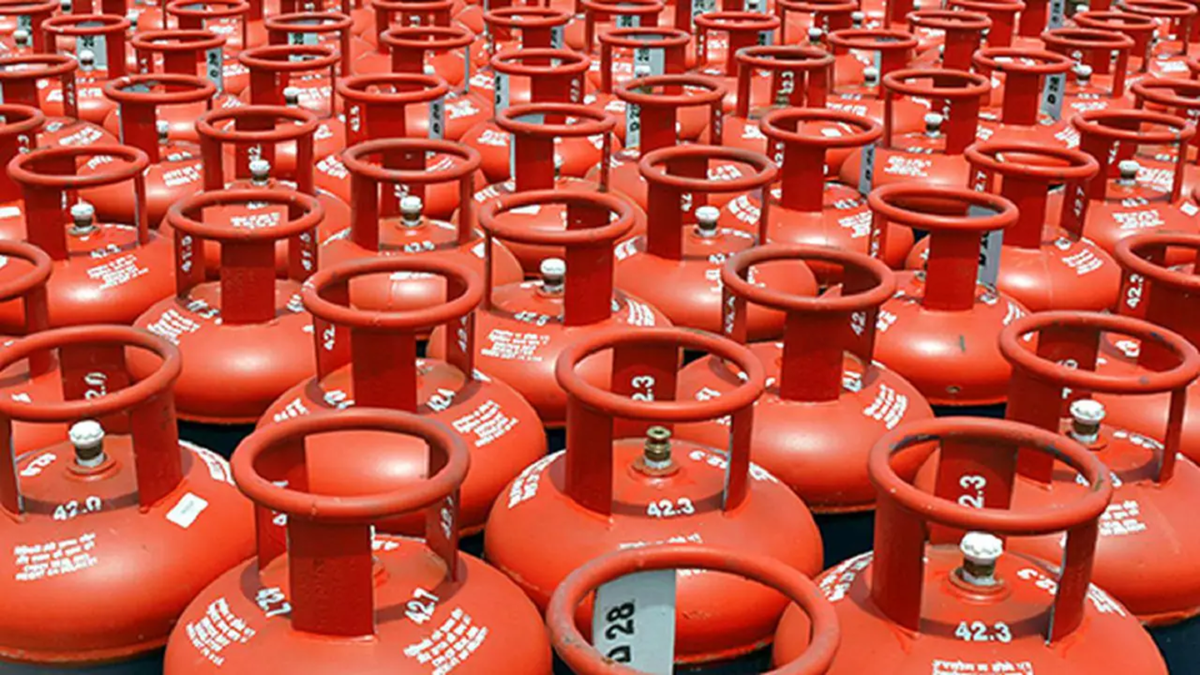
LPG Price Today: There has been no change in the prices of domestic LPG cylinders in major Indian cities as of October 16. Despite persistent fluctuations in global energy markets, this has provided some relief to domestic consumers.
However, commercial LPG prices remain high following the adjustments made on October 1st. This has increased the operating costs for restaurants, hotels, eateries, and other businesses that rely on cooking gas. In Delhi, the price of a 14.2 kg domestic LPG cylinder is ₹942, while a 19 kg commercial cylinder costs ₹2,810.
While domestic LPG rates remain stable, concerns regarding supply security and fuel costs persist due to volatility in international energy markets and ongoing geopolitical tensions. If the cost of procuring gas continues to rise, it could exert pressure on city gas distributors and commercial consumers—though retail prices ultimately depend on local pricing decisions.
From Delhi to Patna: What is the cost of an LPG cylinder in different cities?
LPG cylinder prices vary across different cities in the country. Cylinders are available in 14.2 kg variants for domestic use and 19 kg variants for commercial use. You can view the rates for major cities in the list provided below.
City Domestic LPG Cylinder Commercial LPG Cylinder
Delhi ₹942 ₹2,810.00
Noida ₹939.50 ₹2,747.50
Mumbai ₹941.50 ₹2,764.50
Kolkata ₹968.00 ₹2,954.00
Patna ₹966.00 ₹2,903.00
Bengaluru ₹944.50 ₹2,898.00
Lucknow ₹979.50 ₹2,932.50
Chandigarh ₹951.50 ₹2,769.00
Kanpur ₹928.00 ₹2,840.00
US-Iran Conflict Update
Oil prices fell this morning, following reports that the US may ease restrictions on tankers to help lower shipping costs. Additionally, the International Energy Agency has indicated that it will accelerate the process of releasing emergency oil stocks.
Citing a US official, Reuters reported on Wednesday that the Trump administration is considering easing sanctions on vessels belonging to a "shadow fleet"—ships that have transported oil and petroleum products from countries such as Iran, Russia, and Venezuela. This move is aimed at reducing global freight rates, which have reached record highs.
The official stated that companies wishing to utilize these vessels must submit an application to the US Department of the Treasury. The Department of Energy has clarified that any sanctions relief granted to the "shadow fleet" will not permit the transport of sanctioned oil or petroleum products from Russia. This market volatility follows a sharp surge on October 15, driven by trader concerns regarding supply disruptions. U.S. West Texas Intermediate (WTI) crude futures for November delivery jumped by approximately 3% ($2.88), closing at $97.97 per barrel. Meanwhile, international benchmark Brent crude futures for December delivery fell by 14 cents, closing at $105.92 per barrel. U.S. prices received further support from official data released by the Energy Information Administration, which showed a significant 8-million-barrel decline in inventories for the week ending October 9.
Maritime industry sources informed Reuters that the easing of sanctions by the U.S. is unlikely to lead to a major drop in freight rates, as marine insurance providers will remain obligated to comply with European Union and British regulations.
Disclaimer: This content has been sourced and edited from Money Control. While we have made modifications for clarity and presentation, the original content belongs to its respective authors and website. We do not claim ownership of the content.
