
LPG Cylinders Now Come With QR Codes: Scan to Check Full Details and Prevent Fraud
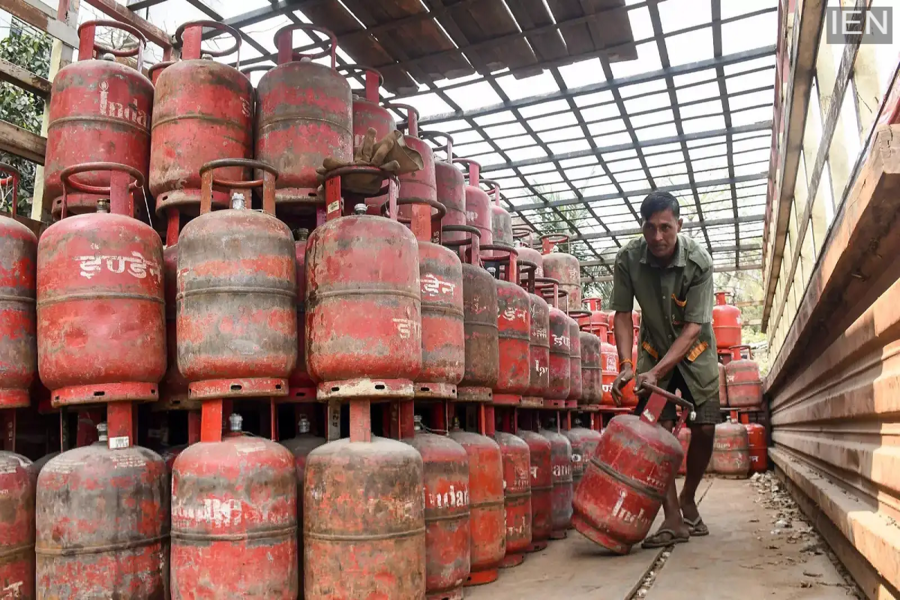
QR Codes on LPG Cylinders Aim to Improve Transparency and Tracking
Liquefied Petroleum Gas (LPG) cylinders used in households across India are gradually being equipped with QR codes, a digital feature designed to improve transparency and tracking in the distribution system. By scanning this QR code with a smartphone, users and authorities can instantly access detailed information about the cylinder, including when it was filled, the bottling plant it came from, and which distributor handled it.
Oil marketing companies introduced this initiative to address long-standing issues such as cylinder theft, underweight complaints, and supply chain inefficiencies. The move is expected to strengthen monitoring across the LPG distribution network and make it harder for illegal practices to occur.
What Is the QR Code on LPG Cylinders?
A QR code (Quick Response code) is a type of digital barcode that can be scanned using a smartphone camera or a QR scanning app. When applied to LPG cylinders, the code acts as a unique digital identity for each cylinder.
Once scanned, the QR code reveals key details such as:
-
The unique identification number of the cylinder
-
The date when the cylinder was filled
-
The bottling plant where the gas was filled
-
The distribution chain, including which distributor handled it
This digital record allows oil companies to trace the cylinder’s journey from the bottling plant to the consumer, making the system far more transparent.
Initiative Began as a Pilot Project
The QR code tagging initiative began as a pilot project in 2022. Indian Oil Corporation Limited (IOCL) tested the technology at its Madanpur Khadar LPG bottling plant in Delhi.
The Petroleum and Explosives Safety Organisation (PESO) granted permission for the pilot program starting from September 1, 2022, initially for a three-month period. The approval allowed tagged cylinders to be filled and distributed through two authorized LPG distributors in Delhi.
Later, the trial period was extended until February 28, 2023 to further evaluate the effectiveness of the system.
According to IOCL data, by November 27, 2022, the company had already distributed 23,827 LPG cylinders (14.2 kg) equipped with QR tags to the selected distributors.
Although the system is still being expanded, oil companies are working to gradually implement QR code tagging across all LPG cylinders nationwide.
How the QR Code Helps Track LPG Cylinders
When a QR code on an LPG cylinder is scanned, the system immediately retrieves information stored in the database. This allows authorities and companies to monitor the cylinder’s movement across the supply chain.
The tracking system helps identify:
-
Where the cylinder was filled
-
When it was filled
-
Which distributor handled the delivery
-
Whether the cylinder has been diverted or misused
If a cylinder goes missing or is found in unauthorized use, companies can easily trace its history and identify where the supply chain was disrupted.
Tackling Theft and Underweight Cylinder Complaints
For oil marketing companies, issues such as cylinder theft, gas pilferage, and underweight cylinders have long been operational challenges.
The QR code system aims to reduce these problems by enabling real-time monitoring of every cylinder. Since each cylinder has a unique digital identity, companies can track its movement and detect irregularities more easily.
This technology also strengthens inventory management, allowing oil companies to monitor stock levels, identify distribution gaps, and ensure that cylinders reach the correct distributors and customers.
A Step Toward a More Transparent LPG Supply Chain
Experts say that the QR code initiative is part of a broader effort to modernize India’s LPG distribution system through digital tools. By improving traceability and accountability, the technology could help prevent misuse and ensure fair distribution.
For consumers, the system provides an additional layer of transparency. During periods of high demand or supply shortages, the QR code can help verify whether a cylinder is legitimate and properly supplied through official channels.
As oil companies continue expanding the program, QR-tagged cylinders may soon become a standard feature across India’s LPG network, making the cooking gas supply chain more secure and efficient.
