
LPG Cylinders Are Hard to Come By—But Are They Fully Filled? Expose Agency Fraud in Minutes with These Simple Method
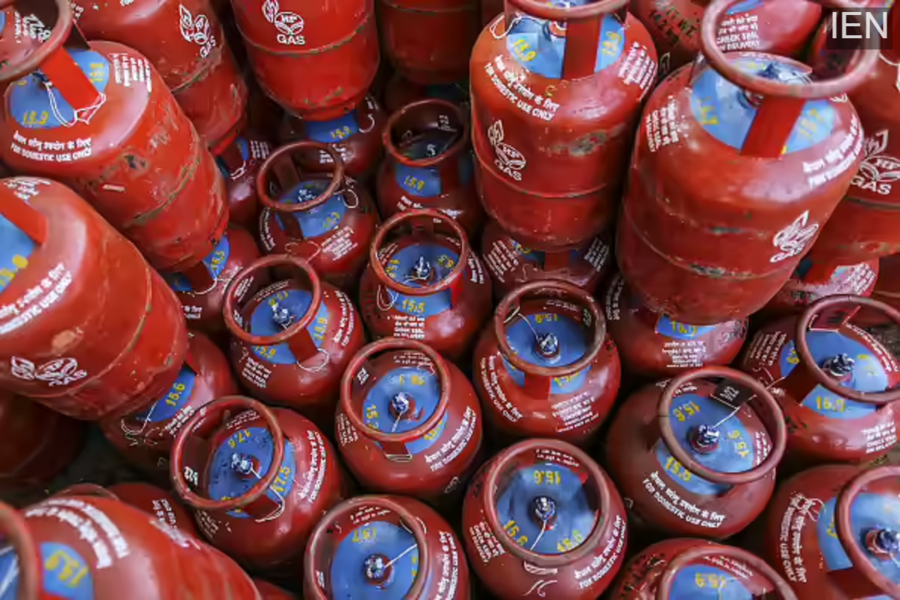
LPG Cylinder: Difficulties regarding LPG gas supply are being observed in several parts of the country. In such a scenario, could the gas cylinder delivered to your home be underfilled? Conduct a check yourself using these simple methods.
LPG Cylinder: Due to ongoing tensions in the Middle East, disruptions in LPG gas supply are being witnessed across various regions of the country. While people in some areas are queuing up in long lines, others are being forced to purchase cylinders on the black market. Given this situation, it is crucial to verify whether the cylinder delivered to your home actually contains its full quota of gas; fortunately, there are specific methods you can use to determine this.
Perform a Simple Test Using a Wet Cloth
So, what exactly are these methods? The easiest way to check the gas level is the “wet cloth test.” To perform this, soak a cotton cloth in water, wring it out slightly, and then wrap it around the cylinder. Remove the cloth after 2 to 3 minutes. The section of the cylinder that dries quickly indicates the absence of gas, whereas the section that remains wet for a longer period indicates where the gas is present. This occurs because LPG gas is cold; consequently, the area containing the gas remains cool, preventing the moisture from drying quickly.
Be Sure to Check the Seal
Secondly, carefully inspect the plastic seal located on top of the cylinder. If the seal appears loose or looks as though it has been re-affixed, you can assume that the cylinder has likely been tampered with in some way.
Estimate the Content by Weight
You can also gauge the gas level by checking the weight. Every LPG cylinder bears markings indicating its “Net Weight” and “Tare Weight.” By observing these figures, you can estimate whether the cylinder contains its full complement of gas. For your information, a fully filled domestic LPG cylinder weighs approximately 29.5 kilograms, of which 14.2 kilograms constitutes the gas itself. By utilizing these simple methods, you can easily verify the contents of your cylinder.
