
LPG Cylinder Prices Set to Drop! Government Prepares for Blending; Diesel to be Blended Too—But What Exactly Is It?
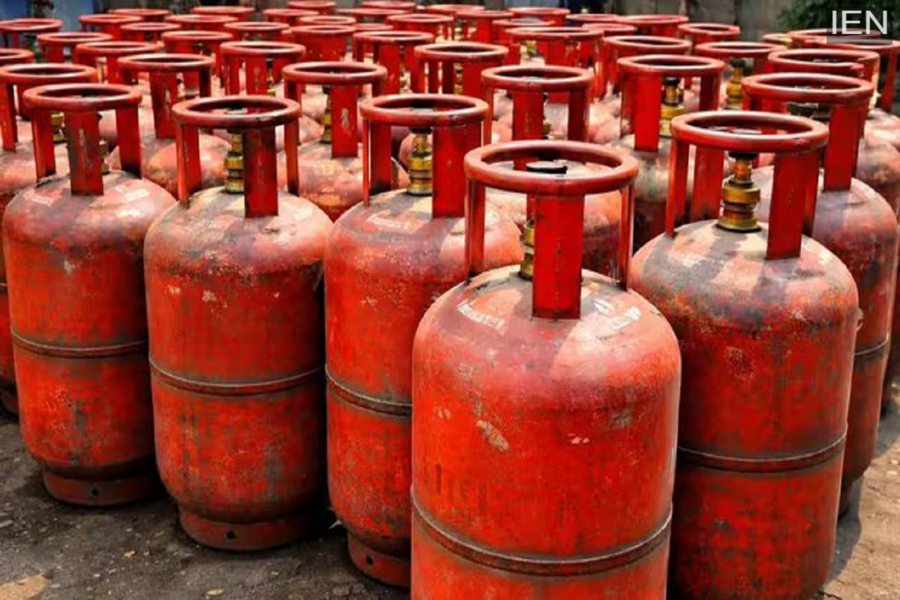
LPG and Diesel Blending: To reduce dependence on imports, the government is actively working towards introducing blended diesel and commercial Liquefied Petroleum Gas (LPG) into the market.
LPG and Diesel Blending Plans: Amidst the conflict between the US and Iran, and rising tensions in the Middle East, the government is poised to take a major step aimed at bolstering energy security and reducing reliance on external supplies. Specifically, the government is taking decisive measures to introduce blended diesel and commercial Liquefied Petroleum Gas (LPG) to the market.
Government Launches Pilot Project
According to a recent report from April 2026, following the success of the 20% ethanol blending in petrol (E20) program, the government is now set to launch a new pilot project for diesel and LPG.
As part of this initiative, preparations are underway to blend Isobutyl Alcohol (IBA) into diesel and Dimethyl Ether (DME) into commercial LPG. Isobutyl Alcohol is a flammable liquid typically produced through the fermentation of grains, while DME is manufactured via coal gasification, biomass, or natural gas. It is a clean fuel that blends easily with LPG.
Why the Emphasis on This?
Currently, the Bureau of Indian Standards (BIS) is reviewing inputs received from oil refiners and the transport industry to finalize the specifications for diesel blended with 10% Isobutyl Alcohol (IBA).
It is worth noting that the Ministry of Road Transport has emphasized the introduction of bio-fuel blending for machinery used in construction activities—a sector that consumes approximately 4 billion liters of diesel annually. Meanwhile, the BIS has already authorized blending up to 20 percent; consequently, the government is currently prioritizing this for commercial use.
Blending 20 percent DME into LPG could reduce annual imports by approximately 6.3 million tonnes. This would result in savings of ₹34,200 crore—or $4.04 billion—for the country.
