
LPG Cylinder Pipe: There’s a reason LPG cylinder pipes are orange—they ensure the safety of your entire kitchen.
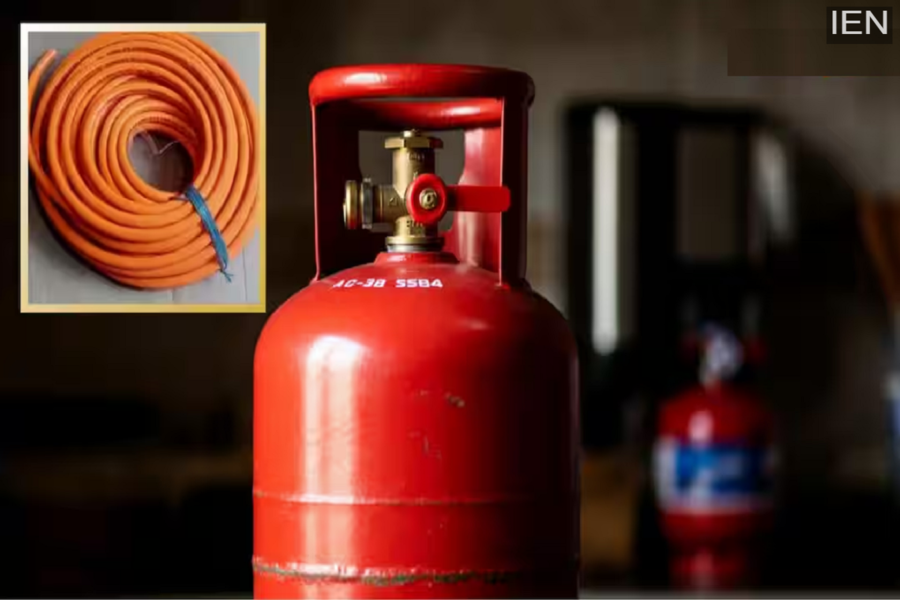
LPG Cylinder Pipe: Choosing the right pipe is crucial for LPG cylinder safety; it ensures the security of your kitchen. The government and oil companies have established specific regulations regarding this.
LPG Cylinder Orange Pipe: LPG cylinders or piped gas are used daily for cooking in almost every Indian household. While gas is safe when used correctly, the associated equipment—especially gas hoses and pipes—plays a vital role in safety. You may have noticed that most LPG connections use orange pipes, even though green and transparent pipes are also available in the market. But do these colors actually indicate anything about safety or quality? Let’s find out.
Why are LPG pipes orange?
- Orange LPG pipes are known as 'Suraksha LPG Hoses.' There are several reasons for this orange color:
- Orange is considered a 'high-visibility' color, making it easily noticeable even in the dark. Even if the kitchen lights are off, an LPG cylinder connected to an orange pipe placed in a corner remains visible.
- Unlike ordinary pipes, these orange pipes consist of three layers. The inner layer is gas-resistant; the middle layer features a steel wire mesh that protects against rodent bites; and the outer orange layer is fire-resistant.
When selecting an LPG gas pipe, experts advise focusing on safety certification rather than just the color. In India, genuine 'Suraksha' pipes manufactured according to BIS standards come exclusively in this specific orange color, designed to withstand high kitchen temperatures and gas pressure.
Are transparent pipes safe for LPG?
Transparent pipes are generally used for water, air, or low-pressure applications, as they allow one to see inside the hose. A transparent pipe should not be used for a gas connection unless it is clearly labeled and certified for LPG service; using such pipes is essentially inviting an accident.
In fact, when the liquid chemicals—such as propane and butane—found in LPG come into contact with ordinary plastic or transparent PVC pipes, they cause the material to harden from the inside. This leads to premature cracking of the pipe, creating a risk of gas leaks. Additionally, these pipes can be easily gnawed through by rats. Since they are not fire-resistant, they melt immediately upon exposure to even a small flame.
