
LPG Cylinder: Are you getting less gas than you should? Here’s how to check the total weight of the cylinder..
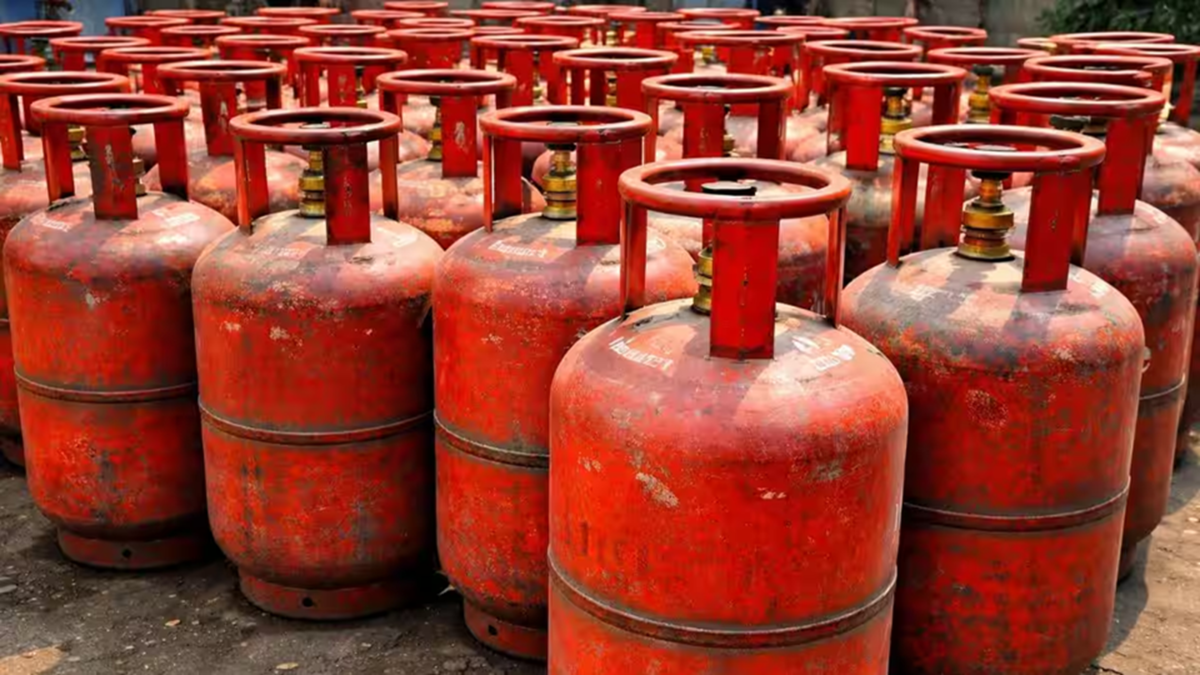
When an LPG cylinder arrives at home, we usually accept it simply by providing the OTP. But have you ever wondered if the cylinder actually contains the full 14.2 kg of gas? A video regarding LPG cylinders is currently going viral on social media, claiming that the weight marked on the cylinder—originally 15.5 kg—is being painted over to read 15 kg. The video alleges that there is a shortfall of approximately 500 grams of gas.
If you are concerned that you might be receiving less gas than you should, make sure to check a few things when accepting delivery. In particular, you should look at the weight marked on the cylinder, as this will help you understand how much gas it contains.
How much gas is in an LPG cylinder?
Standard domestic LPG cylinders used in the country contain 14.2 kg of LPG. This represents the net weight of the gas. Additionally, the empty cylinder itself has a weight; this weight of the empty cylinder is known as the "Tare Weight."
What do the markings of 15 kg or 15.5 kg mean?
The 15 kg or 15.5 kg figure marked on the cylinder does not represent the weight of the gas itself; rather, it indicates the weight of the empty cylinder. The total weight of the cylinder is determined by adding the 14.2 kg of LPG to this figure. For instance, if a cylinder is marked as 15.5 kg, its total weight—including the 14.2 kg of gas—should be 29.7 kg. Similarly, if the empty cylinder weighs 15.6 kg, the total weight would be approximately 29.8 kg. The empty weight can vary slightly between different cylinders.
How to verify the correct weight when receiving an LPG cylinder
When taking delivery of the cylinder, first check the weight marked on it. This weight is usually printed near the cylinder's collar or neck.
Next, add 14.2 kg to this figure to calculate the gross weight (total weight). At the time of delivery, the cylinder's weight should be close to this calculated figure. If the cylinder is marked as 15.5 kg, the total weight should be 29.7 kg (15.5 kg + 14.2 kg).
**Check the weight before accepting the cylinder**
If you have any doubts regarding the cylinder's weight, you can ask for it to be weighed before accepting the delivery. By weighing the cylinder, you can verify whether it contains the correct amount of LPG.
The weighing scale used by the delivery person must be an authorized one. If the delivery person refuses to weigh the cylinder or if the weight is found to be lower than expected, you can lodge a complaint with the gas agency.
**Also, check the LPG cylinder's seal**
When receiving the cylinder, do not just look at the weight; inspect the seal as well. The seal should be intact and unbroken. If the seal is broken or shows signs of tampering, contact the delivery agency before accepting the cylinder.
So, the next time an LPG cylinder is delivered to your home, do not simply take it inside after a cursory glance. Check the weight marked on it, calculate the total weight by adding 14.2 kg, verify the actual weight, and ensure the seal is intact. Paying attention to these small details will protect you from scams or fraud.
Disclaimer: This content has been sourced and edited from NDTV India. While we have made modifications for clarity and presentation, the original content belongs to its respective authors and website. We do not claim ownership of the content.
