
LPG Crisis: LPG Cylinders Set to Exit the Kitchen! Update on PNG Gas; Major News from UP and Maharashtra
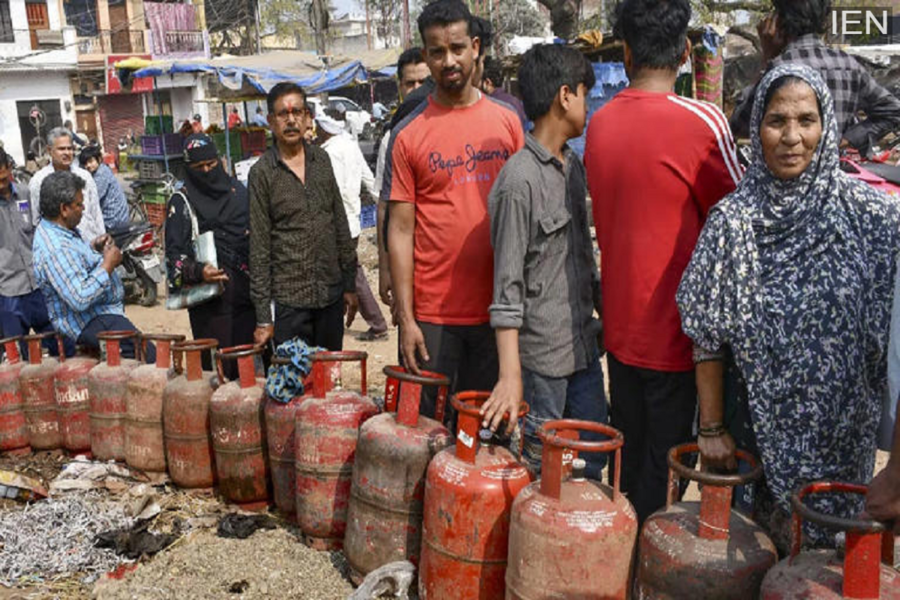
LPG Crisis: As pressure on LPG supplies mounts due to the crisis in the Middle East, the use of PNG (Piped Natural Gas) is witnessing a rapid surge across the country, with millions of new connections added and previously disconnected lines reactivated in several states.
LPG Crisis: The ongoing tensions in the Middle East have impacted India's gas supply, leading to a rapid increase in the domestic consumption of PNG—piped gas delivered directly to kitchens. The highest number of cases involving the reactivation of dormant connections has been reported in Maharashtra, Uttar Pradesh, Gujarat, Delhi, and Haryana. In March, the government emphasized the need to boost piped gas supplies in order to alleviate the pressure placed on LPG cylinders as a result of the Middle East crisis.
Which States Saw the Highest Growth?
Notably, as of April 16, more than 470,000 previously disconnected PNG lines have been reactivated.
Maharashtra recorded the highest number, with 120,000 connections.
Uttar Pradesh recorded approximately 100,000 connections.
Meanwhile, regarding new connections—out of a total of 520,000 new connections:
Maharashtra accounted for over 120,000.
Uttar Pradesh accounted for approximately 100,000.
Gujarat saw 76,000 new registrations.
What is the Total Number of PNG Connections?
According to the Petroleum and Natural Gas Regulatory Board (PNGRB), as of January 31, there were over 16 million (1.6 crore) domestic PNG connections across the country. Of these, more than 10 million (1 crore) connections are currently active.
Additionally, the figures include:
Commercial Users: 48,568
Industrial Users: 21,512
Directives Issued to Accelerate Work in 110 Areas
The PNGRB has directed gas distribution companies to expedite the provision of PNG connections in 110 specific areas. These include 25 areas in Uttar Pradesh and 12 areas in Maharashtra. Furthermore, the government has extended the ongoing national campaign for PNG expansion until June 30. Gas companies are also accelerating their operations in districts where the current number of connections stands at fewer than 10,000. To this end, the network is being expanded in collaboration with the district administration. Efforts are underway to swiftly resolve issues related to approvals and land acquisition.
The Transition from LPG to PNG
Most importantly, the Central Government has offered to provide the states with an additional 10 percent quota of commercial LPG to encourage their cooperation in the adoption of PNG. According to the Ministry of Petroleum, 22 states and Union Territories are currently receiving this additional quota.
A streamlined and time-bound process has been established for the laying and expansion of pipelines. The government's underlying objective behind these initiatives is to boost the consumption of natural gas within the country and reduce dependence on LPG. This is because it will alleviate pressure on supply while simultaneously ensuring that citizens have access to affordable and uninterrupted gas services.
