
LPG Crisis: If the Blockade on Hormuz is Lifted, Will India's Gas Shortage End? Will Cylinders Become Cheaper?
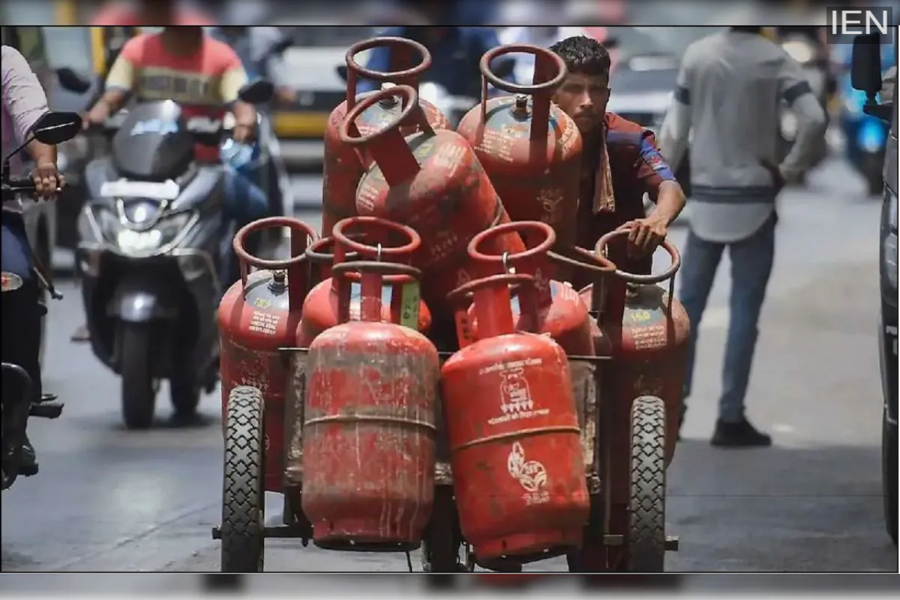
Strait of Hormuz: Iran initially blocked the Strait of Hormuz following attacks launched by the U.S. and Israel on February 28. In retaliation, the U.S. announced a major move to impose a counter-blockade on the strait.
LPG Supply in India: Immediately after the U.S. and Israeli attacks on Iran began on February 28, Tehran announced a blockade of the Strait of Hormuz. Subsequently, on April 13—after peace talks mediated by Pakistan between the two nations failed—the U.S. took retaliatory action against Iran and imposed its own blockade on the Strait of Hormuz.
The U.S. objective behind this move is to cripple Iran's economy. U.S. President Donald Trump has stated that the blockade by U.S. armed forces and their Central Command on the Strait of Hormuz will remain in effect until Iran agrees to cease developing nuclear weapons and consents to opening the strait completely free of any tolls.
What Will Happen if the Blockade is Lifted?
There is currently a 60-day ceasefire between the U.S. and Iran, which is expected to expire in mid-July 2026. If a consensus is reached during peace talks between the two nations within this period, there is a strong possibility that the Strait of Hormuz will reopen. Once the blockade on the Strait of Hormuz is lifted, the gas shortage in India is expected to normalize completely; as supply returns to normal levels, global LPG prices will decline.
This will have a direct impact on India.
India imports over 60% of its LPG requirements from Gulf nations such as Qatar, Saudi Arabia, and the UAE—shipments that travel to India exclusively via the Strait of Hormuz. With the lifting of the blockade, Indian refineries and bottling plants will receive raw materials—such as propane and butane—in a timely manner.
Will Gas Cylinders Become Cheaper?
Even after the blockade is lifted and global gas prices ease slightly, Oil Marketing Companies (OMCs) will not immediately reduce the prices of gas cylinders, as the cost of LPG in the international market has surged significantly due to the conflict between the US and Iran. To shield the general public from the burden of inflation, oil companies are currently absorbing this increased cost themselves. This is the reason why domestic LPG prices in the country have remained stable for a prolonged period.
However, this situation could lead to a reduction of ₹200–₹400 in the prices of commercial cylinders, given that their costs had already crossed the ₹3,000 mark as a result of the conflict.
