
Limit set for government employees on the purchase of new cars; budget for EVs doubled..
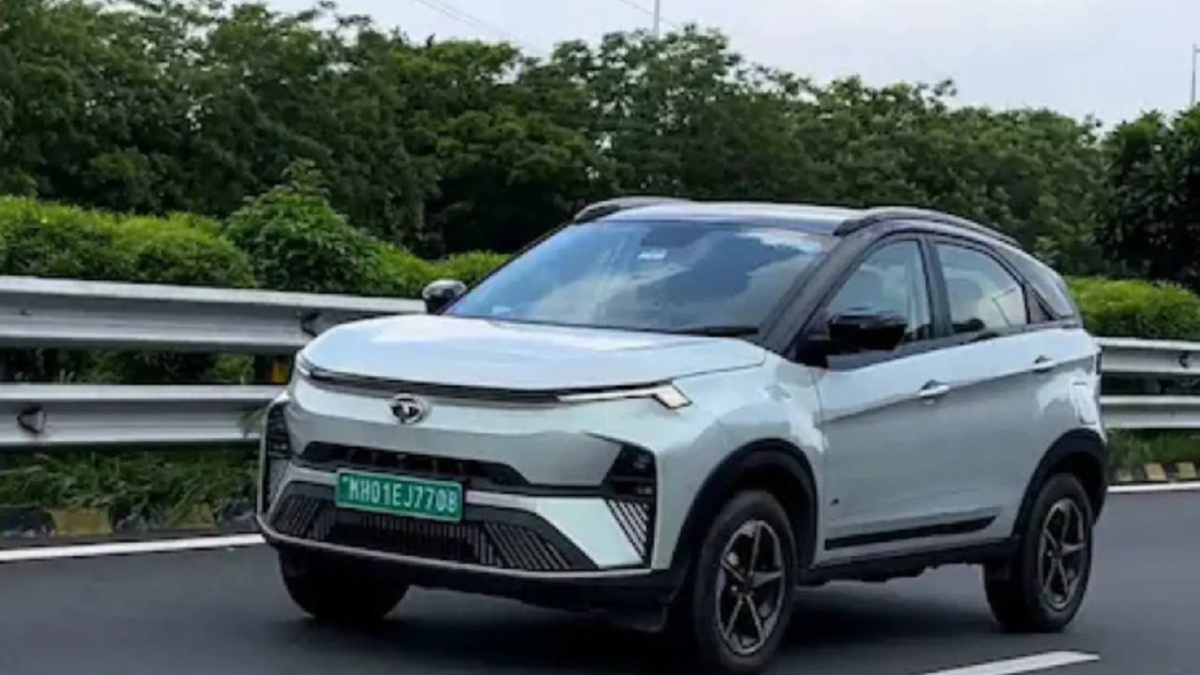
The Central Government has revised the rules for the purchase of cars for its employees and officials. New price limits have been set for vehicles acquired for use by officials and staff within central government departments and ministries. Government departments can now spend up to ₹20 lakh on the purchase of electric cars, while the maximum price limit for petrol- or diesel-powered cars has been set at ₹10 lakh. Effectively, the budget permitted for electric vehicles is double that of conventional ones.
The Department of Expenditure under the Ministry of Finance issued an Office Memorandum regarding this on November 10, 2026. The objective is to promote electric mobility within the government fleet and reduce reliance on petrol and diesel. These new directives have come into effect immediately.
What are the new price limits for government vehicles?
The Ministry of Finance has established a maximum 'Net Dealer Price' (NDP) for the procurement of government staff cars, categorizing them into two groups:
Electric Vehicles (EVs): Maximum ₹20 lakh. Petrol/Diesel (Internal Combustion Engine - ICE) vehicles: Maximum ₹10 lakh.
The 'Net Dealer Price' (NDP) serves as the benchmark for determining the procurement limit for these vehicles.
Under the new rules, government ministries and departments are permitted to spend up to twice the amount on an electric car compared to a petrol or diesel vehicle.
What if an EV is not a viable option?
The Ministry of Finance has clarified that when ministries or departments replace existing staff cars or procure new ones, they should generally prioritize electric vehicles. In other words, EVs are to be the preferred choice for government vehicle procurement.
However, if a department determines that purchasing or utilizing an electric vehicle is not practical, it may submit a proposal to procure a petrol or diesel vehicle. In such cases, the department must provide a valid justification and obtain a specific exemption from the Department of Expenditure.
Such proposals will be evaluated on a case-by-case basis. For this, approval from the Secretary of the concerned administrative ministry and the concurrence of the Financial Advisor will be required.
Exemption is also required for hiring petrol/diesel cars.
The new rules are not limited solely to the procurement of government vehicles. If any ministry or department needs to hire a petrol or diesel-powered car, an exemption must be obtained from the Department of Expenditure.
The department will be required to submit a proposal, supported by valid justifications, for this purpose. In other words, the same rules now apply to both the purchase and the hiring of petrol or diesel vehicles for official government use.
Existing rules remain in effect.
The Ministry of Finance has clarified that there have been no changes to other regulations governing the procurement, hiring, or other terms and conditions related to vehicles. Government departments must continue to adhere to the General Financial Rules (GFR), 2017, as well as any other directives issued from time to time.
This decision is expected to increase the share of electric vehicles in government fleet procurement. The government’s focus extends beyond merely purchasing electric cars; it is also aimed at reducing the reliance on petrol and diesel for government transportation.
