
Know the '20% Rule' Before Installing Solar Panels! Otherwise, You Could Face Significant Loss
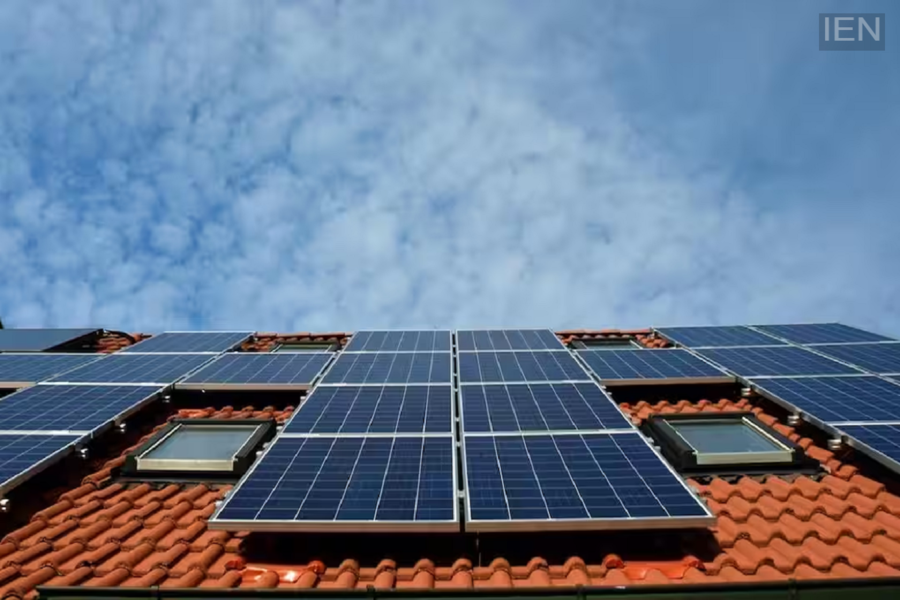
Solar Panels: During summer, the use of air conditioners, coolers, and other appliances increases, leading to higher electricity consumption.
Solar Panels: Energy-saving devices are currently trending in the market, and solar panels have gained immense popularity among the public. People are increasingly installing them in their homes, and the government is also encouraging their use. However, people often overlook certain factors when purchasing solar panels, leading to financial losses later on. That is why today we are explaining the crucial '20% rule' associated with solar panels.
Benefits in Both Seasons
It is worth noting that electricity consumption rises in summer due to the increased use of air conditioners, coolers, and other appliances. Similarly, in winter, devices like heaters and geysers consume significant power. If your solar system has an extra 20% capacity, you will still receive adequate electricity even during periods when solar power generation is lower.
What is the Solar Panel '20% Rule'?
According to the rule, you should install a solar system capable of generating approximately 20% more electricity than your home's average consumption. It is important to remember that solar panels do not generate the same amount of electricity every day.
Factors such as cloud cover, rain, reduced winter sunlight, and dust accumulation can diminish power generation capacity. In such scenarios, that extra 20% capacity helps meet your household's electricity needs and reduces the frequency of relying on grid power.
Prepared for the Future
Your current electricity needs might be low, but they could increase in the coming years. If you start working from home, install a new air conditioner, or purchase an electric car in the future, your electricity demand will rise significantly.
Savings through excess electricity
If your solar system generates more electricity than you need and facilities like net metering or grid-feeding are available in your area, the excess electricity can be sent to the utility company. In return, you may receive bill credits or other benefits.
