
July 31st has passed; what is the new deadline for your ITR now? Understand the complete rules here..
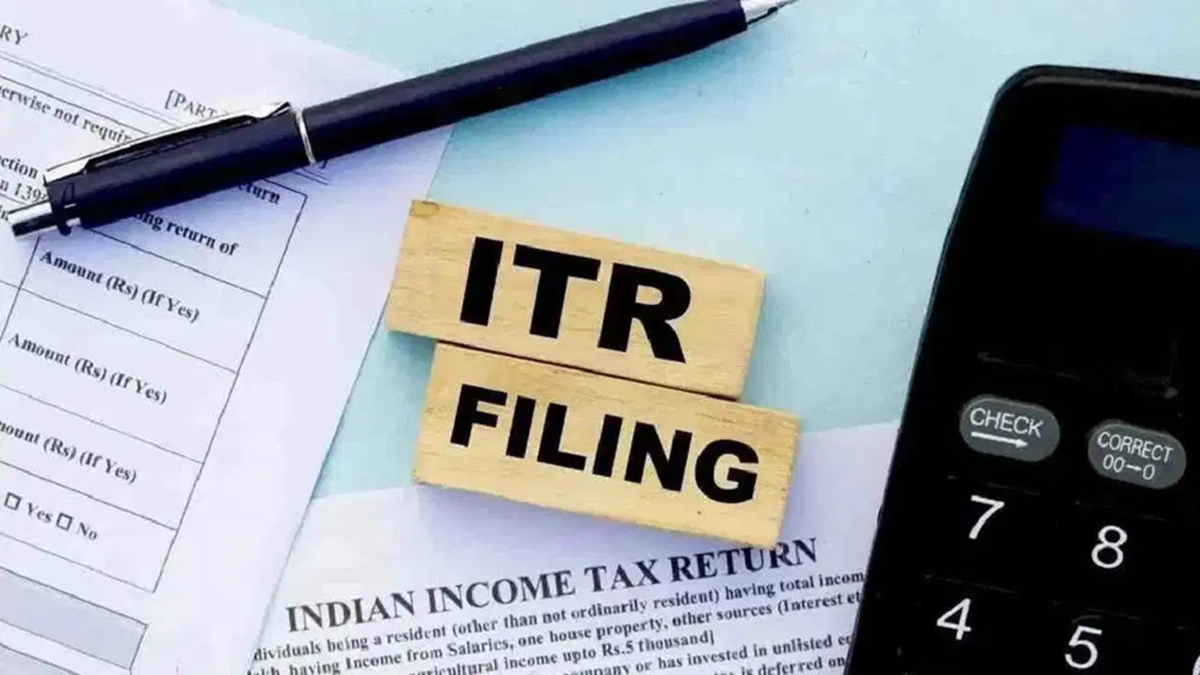
The July 31 deadline for filing income tax returns has passed, but this does not mean the final date has lapsed for all taxpayers. Following the Finance Act 2026, distinct deadlines have been set for different categories of taxpayers for the Assessment Year 2026-27. Some individuals now have until August 31, others until October 31, and some until November 30 to file their ITR. Therefore, it is important to know which date applies to your specific category.
**Who was the July 31 deadline for?**
The July 31, 2026 deadline applied only to individual taxpayers, Hindu Undivided Families (HUFs), and other taxpayers whose accounts do not require a tax audit and whose income does not fall under a category with a later deadline. This primarily includes salaried employees, pensioners, and taxpayers who are not required to have their accounts audited. If a taxpayer in this category failed to file their ITR on time, they can still file a 'belated return.' However, this may entail late fees, interest on outstanding tax, and delays in receiving refunds.
**Who are the August 31, October 31, and November 30 deadlines for?**
Under the Finance Act 2026, a separate deadline of August 31, 2026, has been set for taxpayers earning income from a business or profession whose accounts do not require a tax audit. This includes eligible business owners and professionals opting for the presumptive taxation scheme under Sections 44AD, 44ADA, and 44AE, who typically file ITR-3 or ITR-4. Meanwhile, the deadline is October 31, 2026, for taxpayers whose accounts require a tax audit. Taxpayers required to file reports under transfer pricing regulations have until November 30, 2026.
What happens if the deadline is missed?
If a taxpayer fails to file their ITR by the stipulated deadline, they can file a 'belated return' under Section 139(4) of the Income Tax Act. This can be done by December 31, 2026, or before the completion of the assessment, whichever is earlier. However, filing a late return entails consequences such as a late fee, interest on outstanding tax, and delays in receiving refunds; additionally, the facility to carry forward certain types of losses to future years may be lost. Under the Finance Act 2026, the deadline for filing a revised return has been extended to March 31, 2027. Meanwhile, the time limit for filing an updated return (ITR-U) has been extended from 24 months to 48 months, subject to specific conditions and the payment of additional tax.
Points to consider before filing your ITR
Before filing your return, ensure you reconcile your income details with Form 26AS, the Annual Information Statement (AIS), and the Taxpayer Information Summary (TIS). If any self-assessment tax is outstanding, pay it first. Also, complete the e-verification process after submitting your ITR. Taking these steps can help avoid receiving notices, refund delays, and other compliance-related issues.
Disclaimer: This content has been sourced and edited from TV9. While we have made modifications for clarity and presentation, the original content belongs to its respective authors and website. We do not claim ownership of the content.
