
July 2026 Rule Changes: Fuel Prices Drop, LPG Gets Cheaper, Car Buyers Face Higher Costs
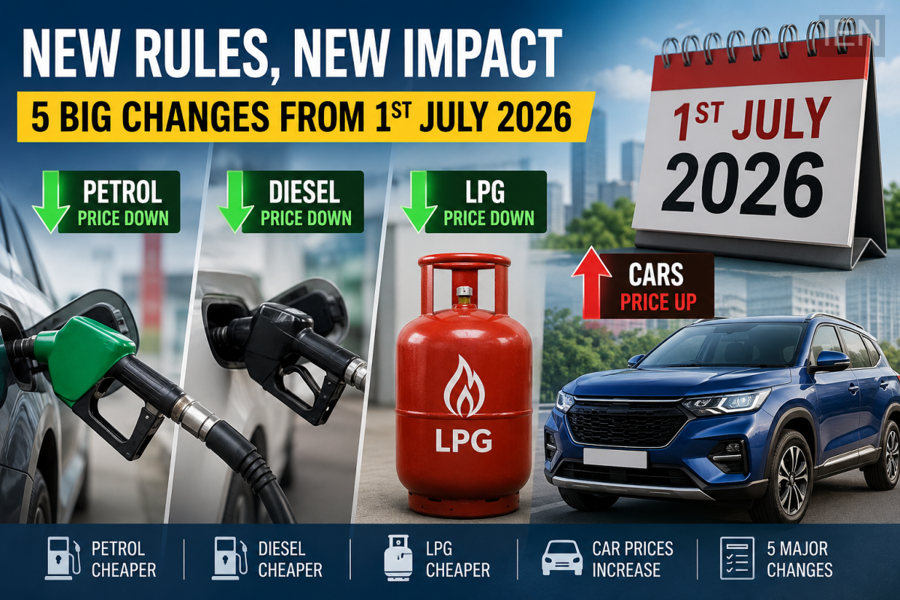
July 1, 2026 marks the beginning of several important financial and consumer-related changes that could affect millions of people across India. From lower fuel costs to higher automobile prices, the new month introduces updates that will influence household budgets, travel expenses, and purchasing decisions.
Consumers can expect relief as the prices of LPG cylinders, petrol, and diesel have been reduced in several areas. However, the good news is accompanied by a significant increase in the prices of certain passenger vehicles, making new car purchases more expensive. These changes are part of the latest pricing revisions and policy updates that take effect from the first day of July.
1. LPG Cylinder Prices Revised
One of the biggest developments this month is the reduction in LPG cylinder prices. The latest revision is expected to provide financial relief to households and commercial users who rely on LPG for daily cooking and business operations.
Fuel price revisions generally take place at the beginning of every month, reflecting changes in international energy markets, crude oil prices, and domestic pricing policies. The lower LPG prices are expected to ease monthly household expenses for many families.
2. Petrol and Diesel Become More Affordable
Motorists have another reason to celebrate as petrol and diesel prices have also witnessed a reduction in selected markets. The decline comes after fluctuations in global crude oil prices and could help lower transportation costs for both private vehicle owners and commercial operators.
Lower fuel prices may also benefit sectors that depend heavily on road transportation, including logistics, agriculture, and retail businesses. Consumers are advised to check the latest fuel rates in their respective cities, as prices may vary depending on local taxes and transportation charges.
3. Buying a New Car Will Cost More
While fuel prices have offered some relief, prospective car buyers may need to spend more. Several automobile manufacturers have revised the prices of their vehicles, with the new rates coming into effect from July 1.
The increase is attributed to higher input costs, manufacturing expenses, supply chain adjustments, and rising operational costs. Depending on the model and variant, customers could see noticeable price hikes compared to previous months.
Those planning to purchase a vehicle may now need to reconsider their budget or compare offers across different brands before making a final decision.
4. Monthly Financial Updates Take Effect
Like every new month, July also brings routine revisions in various financial and consumer-related services. These may include updated pricing, revised charges, or operational changes introduced by companies and service providers.
Consumers are encouraged to stay informed about any notifications issued by banks, utility providers, and government agencies to avoid unexpected expenses and ensure smooth financial planning.
5. Impact on Household Budgets
The combined effect of lower fuel prices and higher automobile costs creates a mixed financial picture for consumers. Families that regularly purchase LPG or spend heavily on fuel may experience noticeable monthly savings. On the other hand, individuals planning to buy a new vehicle could face additional financial pressure due to increased showroom prices.
For businesses involved in transportation and delivery services, lower fuel prices may help reduce operating costs, although the overall impact will depend on local pricing and demand conditions.
What Consumers Should Do
With multiple changes taking effect simultaneously, consumers should review the latest prices before making major purchases or planning monthly expenses. Checking official fuel rates, comparing automobile prices, and monitoring announcements from service providers can help individuals make informed financial decisions.
Those considering a vehicle purchase may also benefit from comparing dealership offers, financing options, and promotional discounts that could partially offset the recent price increases.
Bottom Line
The start of July 2026 introduces several important changes that directly affect everyday spending. Reduced prices for LPG cylinders, petrol, and diesel offer welcome relief to households and businesses, while higher automobile prices may increase the cost of purchasing a new vehicle. Staying updated with the latest announcements and planning expenses accordingly can help consumers adapt to these changes more effectively throughout the month.
