
Is your MCB tripping repeatedly? Don't ignore these warning signs—it could lead to a fire.
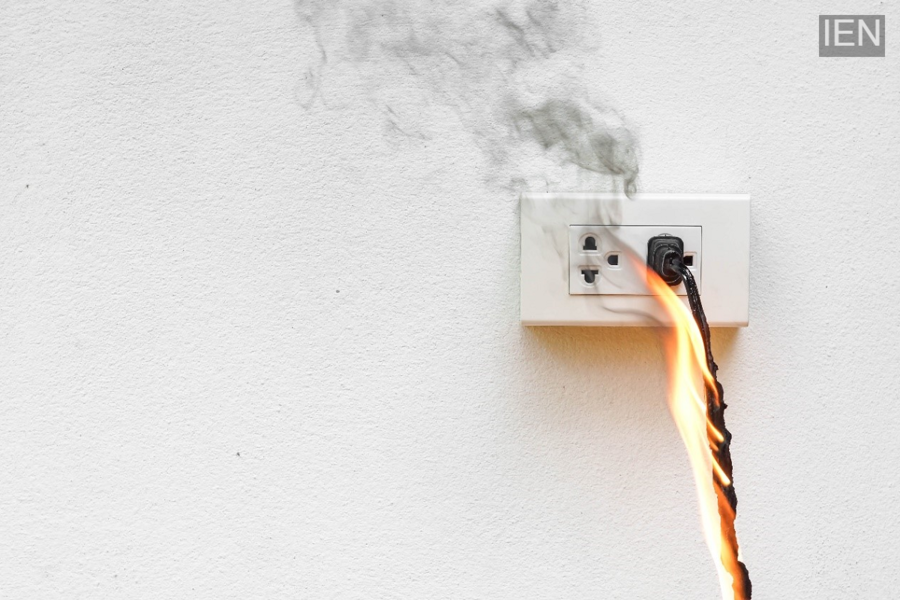
MCB Tripping Problem: Frequent MCB tripping or power outages in your home are signs of faulty wiring. Ignoring this issue increases the risk of short circuits, damage to appliances, and even fire.
Short Circuit Safety: Electricity has become an essential part of our lives today; it is difficult to imagine life without it. From household chores to operating electronic appliances, electricity is crucial for everything. However, a moment of negligence while using electricity can lead to a major accident. Short circuits not only damage expensive appliances but also increase the risk of fire.
If the MCB in your home trips repeatedly or the power cuts out suddenly, do not ignore it. This is usually a sign of a fault in the home's wiring or electrical system. Let’s look at these important warning signs...
What does frequent MCB tripping indicate?
If fuses are blowing or the MCB is tripping frequently in your home, there is likely an underlying cause. While excessive load often causes MCBs to trip, experiencing this issue repeatedly without an overload suggests a wiring fault.
Additionally, if the power cuts out or the safety switch trips the moment you turn on a specific appliance, it is a warning sign. In such cases, you should immediately call a qualified electrician to inspect the system.
Do not ignore these warning signs
The risk of a short circuit in the home can be identified through several small warning signs, such as:
Sparks coming from switchboards or plug points.
A burning smell coming from the wiring.
A section of the wall feeling unusually hot.
Electrical appliances shutting down suddenly.
Bulbs frequently burning out or lights flickering.
How to conduct a preliminary check?
First, carefully inspect your home's MCB and fuse box. If the MCB trips repeatedly despite a low electrical load, the issue could lie with the wiring. Immediately turn off the power if you notice black marks, melted plastic, or a burning smell near switchboards or plug points.
How can you prevent a short circuit?
If you suspect a short circuit, do not attempt to touch or repair the wiring yourself. First, switch off the main power supply and seek assistance from a qualified electrician. Periodically inspecting the home's wiring, using high-quality wires, and installing safety devices can help prevent major accidents in the future.
