
Is your landlord refusing to return the security deposit? Know your legal rights..
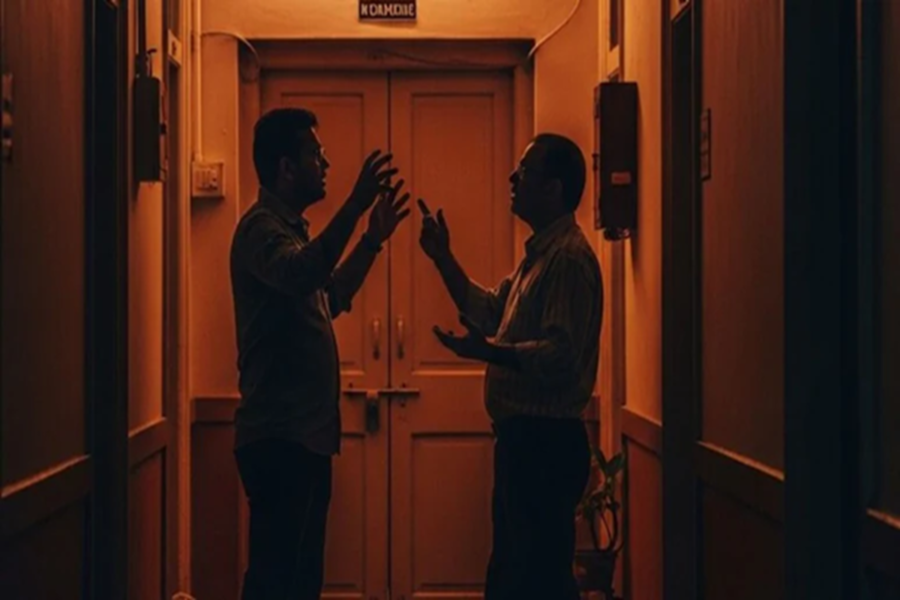
Disputes regarding security deposits are a common issue for people living in rented homes. Often, when vacating the premises, landlords deduct money citing repairs or damages. In such situations, it is essential to understand the legal rights of both tenants and landlords and the conditions under which deductions from the deposit are permissible.
What does the law say?
In India, rental matters are primarily governed by the Transfer of Property Act, 1882, and the Model Tenancy Act, 2021. Under the Model Tenancy Act, a landlord is required to refund the security deposit once the tenant vacates the property and hands over the keys. However, deductions may be made in certain instances, such as:
If there are outstanding rent dues.
If electricity, water, or maintenance bills remain unpaid.
If the property has suffered damage caused by the tenant.
However, a landlord cannot withhold the deposit arbitrarily or without cause; any deduction must be justified by a clear and valid reason.
For what kind of damage can money be deducted?
Changes resulting from everyday use are considered "normal wear and tear," for which the tenant is not held responsible. Examples include:
Fading of wall paint.
Minor scratches on the floor or walls.
Loosening of door handles.
Fixtures looking worn out over time.
Repairing such items is generally the landlord's responsibility, and the cost should not be deducted from the deposit. However, if damage occurs due to the tenant's negligence or misuse, the landlord may deduct repair costs from the deposit.
Examples include:
Broken floor tiles.
Broken windowpanes.
Holes made in the walls.
Damaged bathroom or kitchen fixtures.
Severe damage to any part of the house.
Deductions in such cases may be considered legally valid. What should you do if the landlord refuses to return the money?
If the landlord refuses to refund the security deposit by citing only trivial or general reasons, the tenant can send a legal notice. Additionally, a complaint can be filed with the Consumer Forum or a civil court.
Keep these points in mind
If you are living in a rented house, paying attention to a few things beforehand can help you avoid future problems. For instance:
Read the rental agreement carefully before renting the house.
Take photos and videos of the house when moving in.
Inform the landlord in writing about any existing defects or damages.
Clear all electricity, water, and other utility bills before vacating the house.
Also, take photos and record videos when leaving the house.
By keeping these small details in mind, you can avoid future disputes and ensure you get your money back.
Disclaimer: This content has been sourced and edited from NDTV India. While we have made modifications for clarity and presentation, the original content belongs to its respective authors and website. We do not claim ownership of the content.
