
Is Pension Subject to Income Tax? What Are the Rules? Find Out Who Qualifies for a 'Unique Exemption'..
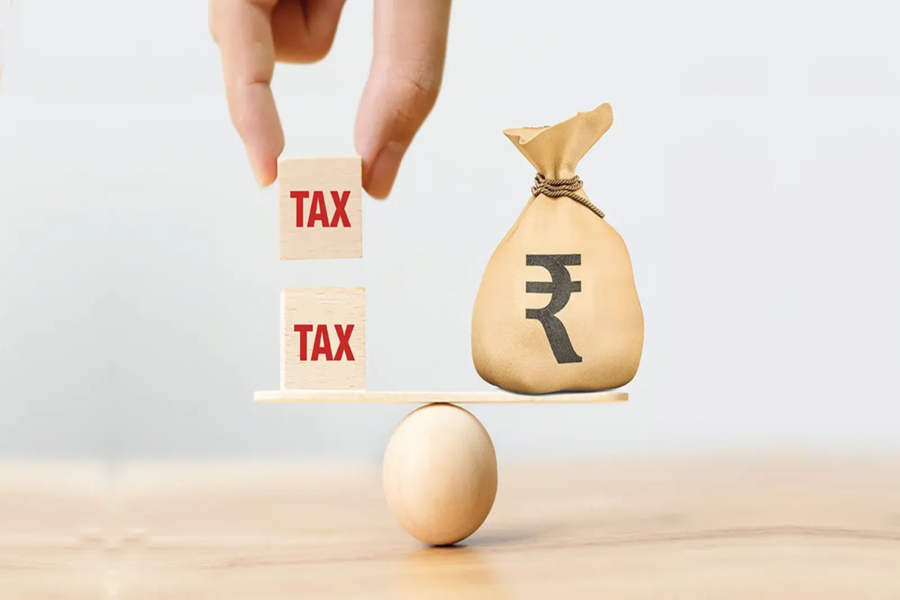
The pension received after retirement is the fruit of an employee's lifelong hard work. But did you know that the government levies income tax even on these hard-earned earnings? According to income tax regulations in India, pensions also fall within the taxable ambit. However, not all types of pensions are taxed in the same manner.
The calculation of tax varies depending on the type of pension, the mode of receipt, and your age. In this detailed report, we will explore how pensions are taxed, which types of pensions are tax-free, and what specific exemptions senior citizens are entitled to when filing their Income Tax Returns (ITR).
**Types of Pensions and the Tax Calculus**
From a taxation perspective, pensions are primarily categorized into three groups. The specific category your pension falls into determines the amount of tax you are liable to pay.
**1. Uncommuted Pension**
This refers to the pension received by an employee as a fixed monthly amount following their retirement.
**Tax Rules:** This is treated as 'Salary' income for the employee. Consequently, it is fully taxable in accordance with your applicable income tax slab rate. However, if an individual has retired due to a disability, they are eligible for tax exemptions on this income.
**2. Commuted Pension**
Often, an employee may choose to forgo a portion of their future pension in exchange for receiving a large, one-time lump-sum payment. This is known as a Commuted Pension.
**Government Employees:** For employees of the Central or State Government, local authorities, and defense services, this lump-sum amount is entirely tax-free.
**Private Sector Employees:** If the employee also receives a Gratuity, one-third (1/3) of the total commuted pension amount is exempt from tax. If the employee does *not* receive a Gratuity, then 50% of the commuted pension amount is tax-free. The remaining amount is taxed in the same manner as the salary for that financial year.
3. Family Pension
The pension received by the family members of an employee following their demise is referred to as a 'Family Pension'.
Tax Category: This is not classified as 'Salary'; instead, it falls under the category of 'Income from Other Sources'.
Special Exemptions and Deductions for Pensioners
The government offers certain specific concessions to pension recipients to help alleviate their financial burden during their old age:
Deduction on Family Pension: Recipients of a family pension are eligible for a deduction equal to one-third (1/3) of the pension received or ₹15,000 (whichever is lower). Under the New Tax Regime, this limit has been increased to ₹25,000.
Disabled Military Personnel: The entire pension received by personnel of the Armed Forces who have been retired due to a disability sustained during their service is tax-exempt.
Relief for Families of Martyrs: Pensions received by the families of personnel from the Armed Forces or Paramilitary Forces who were martyred during war or operational duties are completely exempt from tax.
Disclaimer: This content has been sourced and edited from Zee Business. While we have made modifications for clarity and presentation, the original content belongs to its respective authors and website. We do not claim ownership of the content.
