
Is Kerosene Returning to Indian Kitchens? The Story Behind Its Disappearance and Possible Comeback
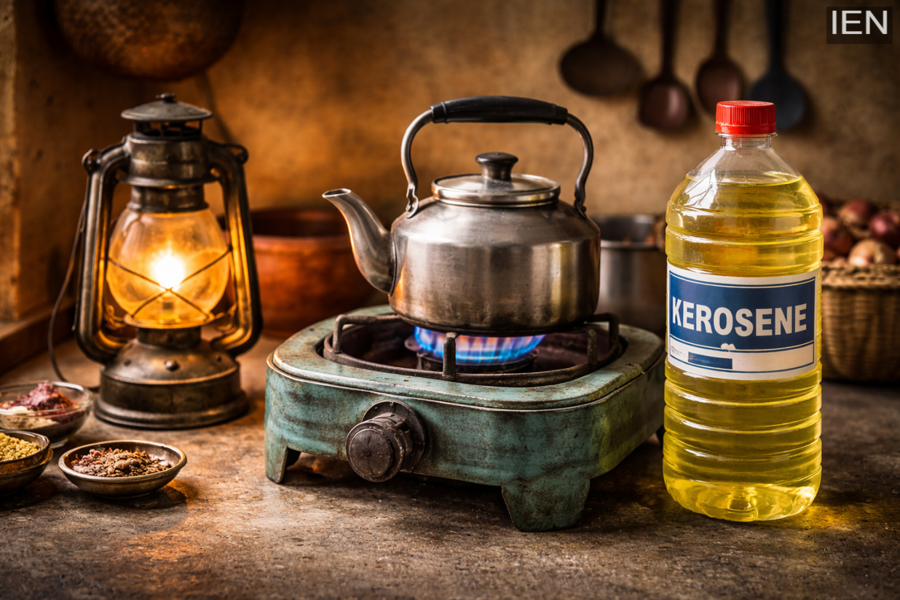
Once a Household Staple, Kerosene May Be Making a Comeback
Kerosene, once an essential fuel in Indian households, had almost disappeared from kitchens and markets over the past decade. However, with discussions around fuel shortages and alternative energy sources gaining attention amid the ongoing global energy crisis, kerosene is once again being talked about as a potential backup fuel.
The recent disruptions in global energy supply—linked to geopolitical tensions involving Iran, Israel, and the United States—have raised concerns about the availability of key fuels such as LPG. As countries explore alternative energy options like biomass, RDF pellets, coal, and kerosene, policymakers have indicated that backup fuel systems are being considered.
Union Petroleum and Natural Gas Minister Hardeep Singh Puri has also mentioned that alternative energy options remain available if supply disruptions occur. Among these options, kerosene has resurfaced in public discussion because of its historical role in household energy use.
A Fuel That Once Powered Everyday Life
There was a time when kerosene—commonly known as mitti ka tel in India—was widely used across rural and semi-urban households. It served multiple purposes in daily life, from lighting lanterns to fueling kerosene stoves used for cooking.
For decades, kerosene was easily accessible and relatively affordable. It was distributed through government ration shops at subsidized prices, making it a crucial energy source for lower-income families.
The fuel’s cultural significance even found its way into literature. Renowned Hindi writer Phanishwar Nath Renu referenced kerosene lamps in his famous story Panchlight, highlighting how deeply the fuel was woven into everyday rural life.
Why Kerosene Gradually Disappeared
Over the past decade, kerosene has largely vanished from kitchens and markets in India. According to data from the National Statistical Office (NSO) in its report Energy Statistics India 2024, kerosene consumption in the country declined sharply between 2013–14 and 2022–23, falling at an average annual rate of about 26%.
Several factors contributed to this decline.
1. Shift Toward Cleaner Energy
Kerosene, like other fossil fuels, emits greenhouse gases and pollutants when burned. As the government began promoting cleaner energy alternatives, kerosene use was gradually reduced.
2. Rise of LPG Cooking Gas
The expansion of LPG distribution, particularly through initiatives like the Pradhan Mantri Ujjwala Yojana, encouraged households to replace kerosene stoves with cleaner LPG gas cylinders for cooking.
3. Electrification of Rural Areas
Another major reason was the expansion of electricity access across rural India. As government electrification programs reached villages, households began replacing kerosene lanterns with electric bulbs and tube lights.
In addition, alternatives such as emergency lights, inverters, and solar panels became increasingly common, further reducing reliance on kerosene.
End of Subsidies Accelerated the Decline
One of the biggest turning points for kerosene use came when the government gradually phased out subsidies on kerosene.
In 2019, the sale of subsidized kerosene through public distribution system (PDS) ration shops was discontinued. Without subsidies, kerosene prices in the open market rose significantly.
As a result, using kerosene became less economical compared to LPG and electricity. Over time, many households completely abandoned kerosene as a primary fuel source.
Why Kerosene Is Being Discussed Again
With ongoing geopolitical tensions affecting global fuel markets, concerns about LPG availability have sparked renewed discussions about backup fuel options.
Although LPG remains the primary cooking fuel in most Indian households today, policymakers and energy experts acknowledge that having alternative fuels available could help manage supply disruptions during emergencies.
In such scenarios, kerosene—once a widely used household fuel—could serve as a temporary fallback option in certain areas.
How Kerosene Is Produced
Kerosene is produced during the refining of crude oil. In oil refineries, crude oil is heated at different temperatures during a process called fractional distillation.
Through this process, various petroleum products are separated, including:
-
Petrol
-
Diesel
-
Kerosene
Kerosene is extracted at a temperature range between petrol and diesel, making it a relatively light petroleum fuel.
Apart from domestic cooking and lighting, kerosene is also used in several industries. It forms the base for aviation turbine fuel (ATF) and is also used in heaters, industrial burners, solvents, and certain chemical processes.
A Fuel of the Past—But Not Completely Gone
Although kerosene has largely disappeared from Indian kitchens due to cleaner energy alternatives, the current global energy uncertainty has revived conversations about its role as an emergency backup fuel.
While it is unlikely to replace LPG or electricity as the main household energy source, kerosene remains part of India’s broader energy landscape—one that may still have a role during times of supply disruption.
