
Is it Wise to Deposit Household Gold in a Bank? Understand the Gold Monetization Scheme First—Otherwise, You Might Regret It
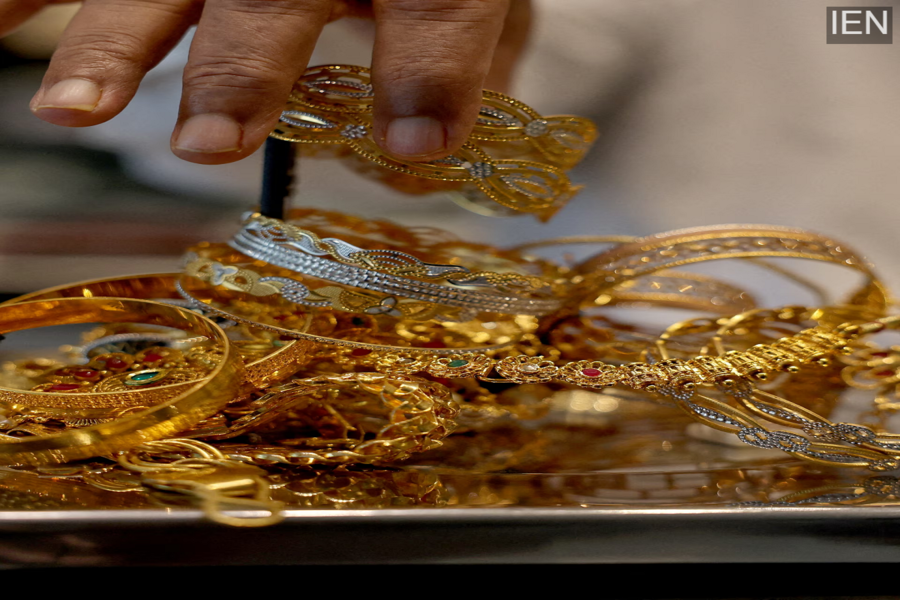
Gold Scheme: Under the Gold Monetization Scheme, you can deposit your gold in a bank and earn interest on it. However, you could also incur losses in the process. Let’s look at the key details.
Gold Monetization Scheme: The Gold Monetization Scheme (GMS) offers individuals an opportunity to generate income from the gold stored in their homes or bank lockers. Under this scheme, you earn interest on the gold you deposit. However, utilizing this scheme is not quite as simple as it might seem.
Many people share a deep emotional and familial bond with their gold jewelry. Let’s explore exactly what the Gold Monetization Scheme is and how it works.
The Gold Monetization Scheme
Under the Gold Monetization Scheme, you can deposit the gold kept in your home into a bank account and earn interest on it. Eligible deposits include jewelry, coins, or gold bars. The bank pays a fixed rate of interest on these deposits.
According to the regulations, upon the maturity of the deposit tenure, you are repaid either in cash (based on the prevailing market price at that time) or in physical gold. In essence, this scheme allows you to earn interest by depositing gold that would otherwise simply lie idle at home.
Recent Changes to the Scheme
To further enhance this initiative, the government has introduced certain structural changes to the scheme. Effective March 2025, investors will primarily be able to utilize only the Short-Term Bank Deposit (STBD) option.
Disadvantages of the Scheme
- Loss of Weight: Under the Gold Monetization Scheme, the gold must undergo a “fire assaying” test to verify its purity. This process involves melting the gold. Consequently, as impurities are removed during melting, the overall weight of the gold may decrease.
- Emotional and Familial Attachment: For Indian investors, gold is not merely an investment vehicle; it also carries significant emotional and familial value. As such, the prospect of melting down their gold is something that many families find unacceptable. For many households, gold jewelry serves as a symbol of heritage and deep sentimental attachment.
- Valuation Exclusion: Under this scheme, the value of the gold is assessed excluding the “making charges” (craftsmanship costs) originally incurred when the jewelry was purchased. This means that if you have paid a making charge of 15 to 20 percent on your jewelry, you will incur a direct financial loss amounting to this sum.
- Under this scheme, funds remain locked in long-term deposits for an extended period; in other words, it is not easy to withdraw them prematurely. Furthermore, penalties are levied for any violation of the rules.
