
Is it possible to get a Home Loan for 100% of the house's value? What are the RBI rules? Click to know
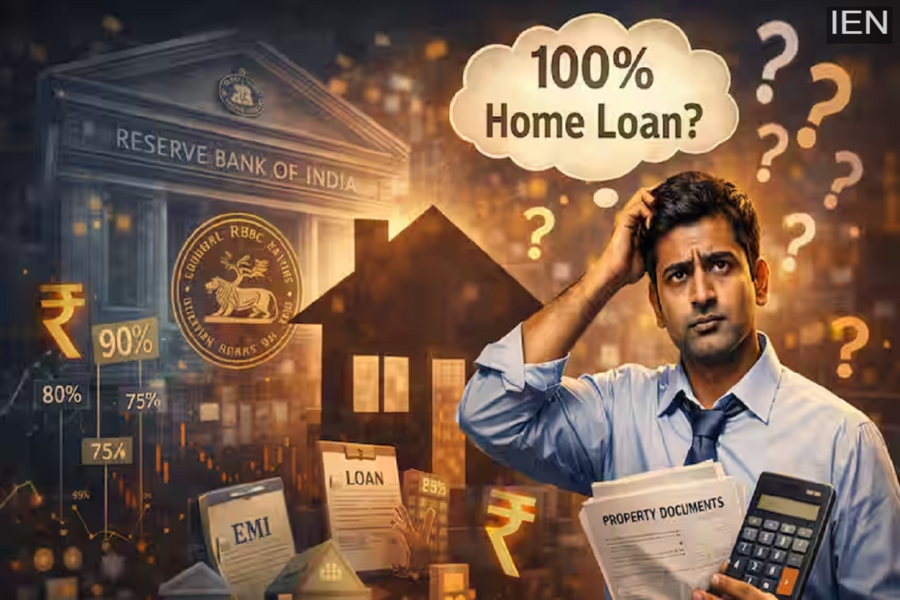
According to the rules of the Reserve Bank of India (RBI), no bank or financial institution can provide a loan for 100% of the total value of a house. This is called the 'Loan-to-Value' (LTV) ratio. Generally, you only get a loan for 75% to 90% of the value, and you have to pay the remaining amount as a 'down payment'. However, you can reduce your cash requirement through some other options.
Everyone dreams of owning their own home. But when it comes to buying a house, there are very few people who can pay the entire amount at once. Even those who have the money want to take advantage of affordable home loans and opt for them. In other words, you will hardly find anyone who buys a house without a home loan.
Now, since you will have to take a home loan to buy a house, the question arises: how much loan can you get? Can you get a 100 per cent loan for buying a house, like for other things? This is a question that crosses the minds of many people. To understand how much of a home loan you can get, you need to know the rules of the Reserve Bank of India.
First, understand what the Loan-to-Value (LTV) ratio is.
The Loan-to-Value (LTV) ratio means how much of the total value of a property a bank or financial institution can lend you. The remaining amount has to be paid by you as a down payment. Whether you pay this down payment from your savings, by taking a personal loan, or by borrowing from someone, is entirely up to you.
What are the RBI rules regarding home loans?
To make home loans easier, the RBI has set some limits on the LTV. If your property is valued at up to ₹30 lakh, banks can sanction a loan of up to 90% of the property value. If the property is valued between ₹30 lakh and ₹75 lakh, you can get a loan of up to 80%. For properties valued at over ₹75 lakh, you can avail a loan of up to 75%.
Several other charges apply
It's important to note that these Loan-to-Value (LTV) limits do not include stamp duty, registration, and documentation charges. These expenses have to be paid separately, which increases the initial cost. So, if you're planning to buy a house by only arranging for the down payment, remember that you will also incur expenses for registration and other formalities, so make sure you have funds set aside for those as well.
Why don't banks offer 100% loans?
Even a seemingly small home loan amount is quite substantial. Let's say you buy a house for just ₹30 lakh; while this might seem like a small amount, it's still a significant sum. If the value of your property depreciates even slightly, the bank might face difficulties in recovering the loan amount. This could lead to losses for the bank, ultimately contributing to an increase in Non-Performing Assets (NPAs). The Reserve Bank of India (RBI) has likely set these home loan limits for this very reason.
Is there any other way to get 100% home financing?
While you won't get 100% financing through a single home loan scheme, you can explore other options to fully finance your home purchase. You can take a small personal loan along with your home loan to cover the down payment. However, keep in mind that personal loans have significantly higher interest rates. You could also consider a gold loan.
Conclusion
Legally, it's impossible to get 100% financing through a single home loan scheme in India. The RBI regulations are in place to protect buyers and ensure the stability of the banking system. It's best to arrange for at least 20% of the property value and the registration expenses beforehand to avoid future financial difficulties. Frequently Asked Questions (FAQs)
1. Can stamp duty be included in the home loan?
No, according to the RBI, registration and stamp duty charges are separate from the loan amount.
2. What is the Loan-to-Value (LTV) ratio?
It is the percentage of the property's total value that the bank lends you.
3. Can I take a personal loan for the down payment?
Yes, but this will increase your overall debt burden, and the bank will reassess your eligibility.
4. What is the minimum down payment required?
For homes up to ₹30 lakh, a minimum of 10% is required, and for more expensive homes, it's 20-25%.
5. Can private banks offer 100% loans?
No, all banks and housing finance companies are required to comply with the RBI's LTV regulations.
