
Is Indian Railways about to grind to a halt like Indigo? This demand from loco pilots has increased passenger anxiety.
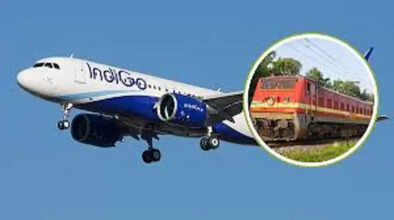
Railway Loco Pilot Demands: Amidst the Indigo flight crisis, railway loco pilots have also demanded reduced duty hours. If this isn't resolved, train speeds could be affected.
Railway Loco Pilot Demands: Indigo is currently facing a major flight crisis in the country. Thousands of passengers are stranded amid cancelled flights, long delays, and changed bookings. In this environment, a new concern has emerged from the Railways. Loco pilots, the train drivers, are insisting on fixed working hours. They say they operate trains under extreme fatigue every day without adequate rest.
This increases the risk of accidents. The pilots argue that since the government approved strict rules for airline pilots after the Indigo crisis, citing safety concerns, the Railways should also adopt a similar scientific work system. However, if these demands are met with public pilot protests, they will be met with widespread protests. Then the railways could face difficulties.
Could the railways come to a standstill?
Loco pilots have demanded that their duty hours be limited to six hours. They should receive a fixed 16-hour rest period after each duty day and a fixed weekly off day. They believe this is necessary for safety. However, if negotiations stall and employees resort to agitation, it could directly impact trains. Delays, cancellations, and schedule disruptions could increase.
Just as thousands of flights across the country were grounded due to the IndiGo crisis, the IndiGo crisis has now reached its eighth day, with over 2,000 flights cancelled. If the railway pilots' demands are not met and the situation worsens, the country's largest passenger service system could also come under pressure, affecting millions of passengers.
Why have the demands for railway pilots increased?
The All India Loco Running Staff Association (AILRSA) states that for years, they have been demanding that their duties be determined according to the human body's capacity. Pilots report that they are sometimes forced to work for 10 to 12 hours at a stretch. Long night shifts, overtime, and frequent trips without scheduled rest leave them mentally and physically exhausted.
They argue that a tired loco pilot not only risks his own safety but also the lives of thousands of passengers. In the Indigo case, pilot fatigue was taken seriously, and calls for a system like FRMS were raised. Based on this, railway pilots are arguing that there should be no double standards. They demand that the railways also establish regulations based on scientific and safe working practices.
Railway employees are angry about this issue.
AILRSA clearly stated that when government or public sector employees raise their voices to improve their conditions, they face action. However, when large private companies like Indigo challenge safety regulations, the government appears to side with them. The association alleges that despite IndiGo violating rules regarding pilot rest and duty hours, the government has shown leniency.
In contrast, even minor protests against railway employees face severe action. They argue that the FRMS (Fatigue Risk Management System) is a proven model worldwide, and while it is mandatory for the aviation sector, why is there such a delay in implementing it in railway operations?
