
Is a passport required for train travel to Nepal, or will an ID card suffice? Find out which documents you need to carry..
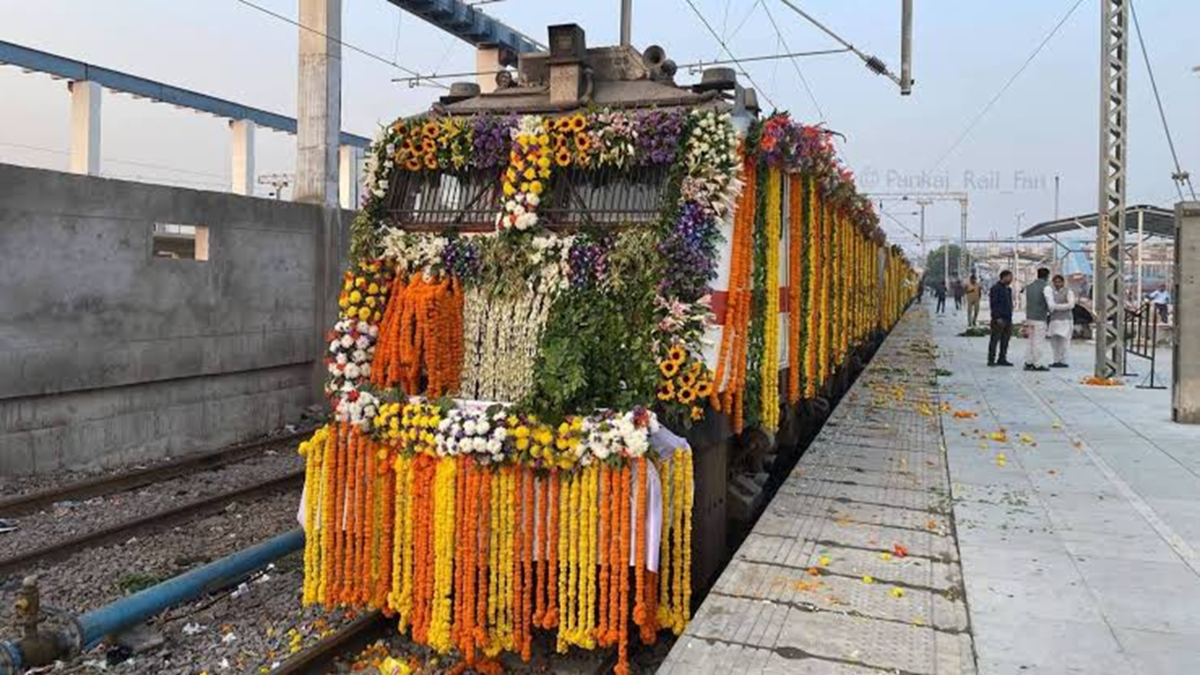
Travel Rules for Indians Visiting Nepal: The religious and cultural ties between India and Nepal span centuries. To further strengthen these bonds, a new express train service between Ayodhya and Janakpur was flagged off on November 23, 2026. Launched by Prime Minister Narendra Modi and the Prime Minister of Nepal, Balendra Shah, this 604-kilometer rail service has generated great excitement among pilgrims and tourists from both nations.
Operating once a week, the train will depart from Ayodhya Cantt on Mondays and from Janakpur Dham on Saturdays. Along its route, it will connect major stations such as Gorakhpur, Basti, Raxaul, Sitamarhi, and Madhubani. However, before planning their journey, travelers often wonder: is a passport mandatory to cross the Nepal border or visit the country, or will an Aadhaar card suffice?
Valid Documents for Travel to Nepal
Due to the deep-rooted, intimate cultural ties and the open border between India and Nepal, many people mistakenly assume that no formal documentation is required for travel. This assumption can lead to difficulties at the border. Indian citizens are required to carry a valid, original identity document when traveling to Nepal. Under certain conditions, Indian citizens may travel to Nepal without a passport, provided they possess a valid photo identity document issued by the Government of India. An Indian passport or an original Voter ID card issued by the Election Commission of India are the most reliable documents for this purpose. If a traveler does not possess either of these, an emergency or valid identity certificate issued by the Indian Embassy in Kathmandu may be used.
Will an Aadhaar Card Allow Entry into Nepal?
While the Aadhaar card is a primary document for almost every purpose in India, this does not apply to travel to Nepal. Relying solely on an Aadhaar card to plan a trip to Nepal could lead to significant complications. Recently, the Nepalese administration has tightened its regulations, denying entry to several Indian travelers who presented only an Aadhaar card. Specifically, for those traveling to Nepal by air, an Aadhaar card is not considered a sufficient travel document. Furthermore, relying on digital copies—such as photos, PDFs, or screenshots of documents saved on a mobile phone—may lead to difficulties. Always carry the original, physical document with you while traveling.
Different rules for air and road travel
If you are traveling by flight to Kathmandu or any other destination in Nepal, immigration and security checks at the airport are extremely rigorous. You must possess an original passport or an original Voter ID card. If your document is torn, damaged, or illegible, you may be denied boarding. While the process at the border might appear more relaxed when traveling by road or via the recently introduced train service, valid identification is still mandatory during security checks. The Government of India has further clarified the regulations for travelers heading to Nepal and Bhutan, mandating that all Indian citizens—whether traveling by land or air—must present specified identification documents to immigration authorities.
Guidelines for children and the elderly
If you are traveling to Nepal with your family, pay close attention to the documentation for children. For those under the age of 18 who do not hold a passport, it is advisable to carry a valid photo ID issued by their school or college, along with a birth certificate. Meanwhile, senior citizens over the age of 65 may travel by carrying an original government-issued identification document that includes both their photograph and address—such as a PAN card, ration card, or driving license.
Disclaimer: This content has been sourced and edited from NDTV India. While we have made modifications for clarity and presentation, the original content belongs to its respective authors and website. We do not claim ownership of the content.
