
Investment Guide: Bank FD or Home Solar Panels? Where do you get the best returns? Understand the math.
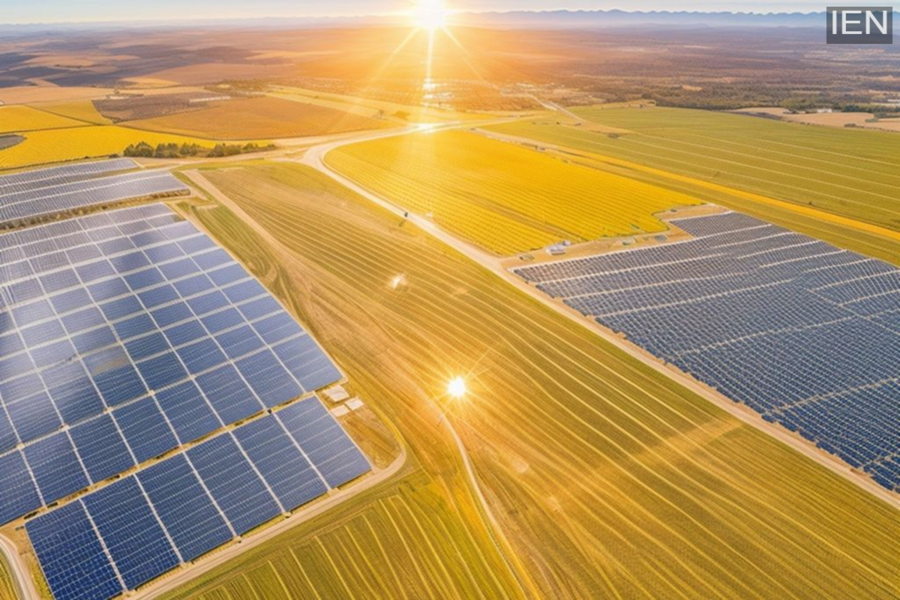
PM Surya Ghar Yojana: With rising temperatures and increasing electricity bills putting a strain on household finances, people are looking for safe investment options that offer better returns.
Fixed Deposit vs. Solar Panels: As the heat intensifies, the burden of electricity bills is growing. Monthly electricity costs are impacting the common man's budget. Consequently, middle-class families are seeking investment avenues for their savings that offer both security and attractive returns.
While many have traditionally opted for Bank Fixed Deposits (FDs), installing solar panels on rooftops has emerged as a compelling investment alternative. Under the 'Surya Ghar Muft Bijli Yojana' (Free Electricity Scheme), the government offers a subsidy of up to ₹78,000 on solar panels, making this option even more attractive.
What returns do Bank FDs offer?
Suppose you invest ₹1,00,000 in a bank FD for 5 years at an average annual interest rate of 7%.
Initial investment: ₹1,00,000
Interest rate: Approx. 7% (compounded)
Total amount after 5 years: Approx. ₹1,40,000
Total profit: Approx. ₹40,000
However, keep in mind that the interest earned on FDs may be subject to tax, which slightly reduces the actual return.
Understand the math behind investing in solar panels
If your monthly electricity bill ranges from ₹2,500 to ₹3,000, a 3kW solar system is considered a good option.
Total cost of a 3kW system: ₹1.8 lakh to ₹2 lakh
Government subsidy (PM Surya Ghar Yojana): Approx. ₹78,000
Your actual expenditure: Approx. ₹1 lakh to ₹1.22 lakh
How much will you save each month? In terms of savings, a 3kW solar system generates an average of 300 to 400 units of electricity per month.
Average monthly electricity bill savings: ₹2,500
Annual savings: ₹30,000
This clearly means that you can save a significant amount annually just through electricity bill savings.
How long does it take to recover the cost?
If you invest ₹1.2 lakh and save ₹30,000 annually, you will recover your entire investment in just four years. Meanwhile, solar panels have a lifespan of 20–25 years. This means that after the initial four years, the electricity generated for the next 21 years will be completely free for you.
Which is a better investment?
If your goal is a safe and liquid investment, a bank Fixed Deposit (FD) is a good option; however, if your monthly electricity bill is high and you have rooftop space, solar panels could prove to be far more beneficial in the long run. An FD offers limited interest, whereas solar panels can provide long-term relief from electricity bills.
