
Inverter Battery Problem: Is Your Inverter Battery Draining Too Fast? These 5 Reasons Could Be Responsible
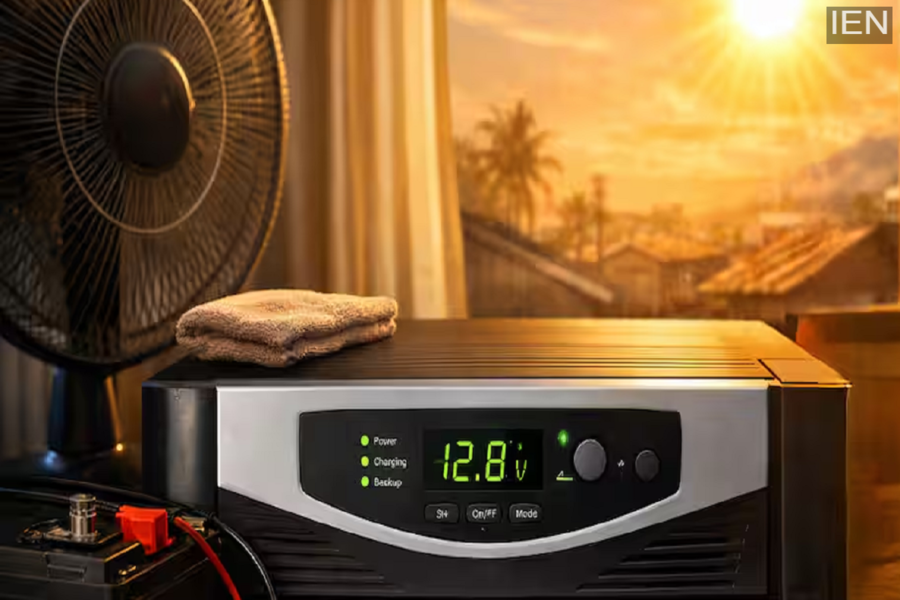
Inverter Battery Problem: If your inverter battery is discharging much faster than usual during the summer months, find out the reasons behind it and how you can prevent this issue.
Inverter Battery Problem: During the summer season, while intense heat and humidity pose one challenge, power cuts also tend to increase in many areas. In such a scenario, having an inverter at home provides immense relief. However, many people frequently complain that their inverter batteries drain too quickly or that their inverters fail to provide backup for an extended period. If you, too, are troubled by this issue and your inverter is losing its backup power prematurely, some common mistakes could be to blame. Let's take a closer look.
Understand the Causes of Battery Discharge and Their Solutions
1. The scorching heat takes a toll on inverter batteries as well. High temperatures can diminish both the lifespan and capacity of a battery. Therefore, you should protect your inverter from direct sunlight and keep the battery in a cool, well-ventilated area. This problem can often arise due to excessive heat combined with poor ventilation.
2. Another potential reason could be that the battery is being subjected to an excessive load—more than it can handle. If appliances such as fans, air coolers, televisions, refrigerators, and other heavy-duty devices are running simultaneously, the strain on the battery increases significantly. Operating an excessive number of appliances at once can lead to this issue. It is crucial to ensure that you are using an inverter with the appropriate capacity relative to your home's total electrical load. Run only those appliances that are absolutely necessary.
3. A third possibility is that your battery is not charging properly. To resolve this issue, inspect the inverter's charging mechanism. Keep the battery terminals clean and, if necessary, have the system checked by a qualified technician.
4. This issue can also arise if the battery is not charging properly—perhaps due to frequent power outages in your home, low voltage, or a faulty charging system. These factors can significantly impact the battery's performance.
5. Power is consumed even in standby mode. Mobile chargers, televisions, and other electronic appliances continue to draw power while in standby, thereby affecting the battery. Even after a device has been switched off, it continues to consume a small amount of electricity. It is important to remember that if you are not actively using a device, you should unplug it.
Everything has a finite lifespan, and batteries are no exception; they, too, have a limited operational life. As a battery ages, it begins to discharge more rapidly, and its capacity to retain a charge diminishes. If a battery has become excessively old, replacing it is the most prudent course of action.
Essential Tips
* Install a battery with the appropriate capacity, based on the number of appliances present in your home.
* Ensure that the battery undergoes periodic servicing.
* Furthermore, never subject the battery to an electrical load that exceeds its rated capacity.
By keeping these simple points in mind, you can extend the lifespan of your inverter battery and ensure reliable power backup for a longer duration.
