
Interest rates have risen in Japan; will loans for India’s bullet train and metro projects become costlier?
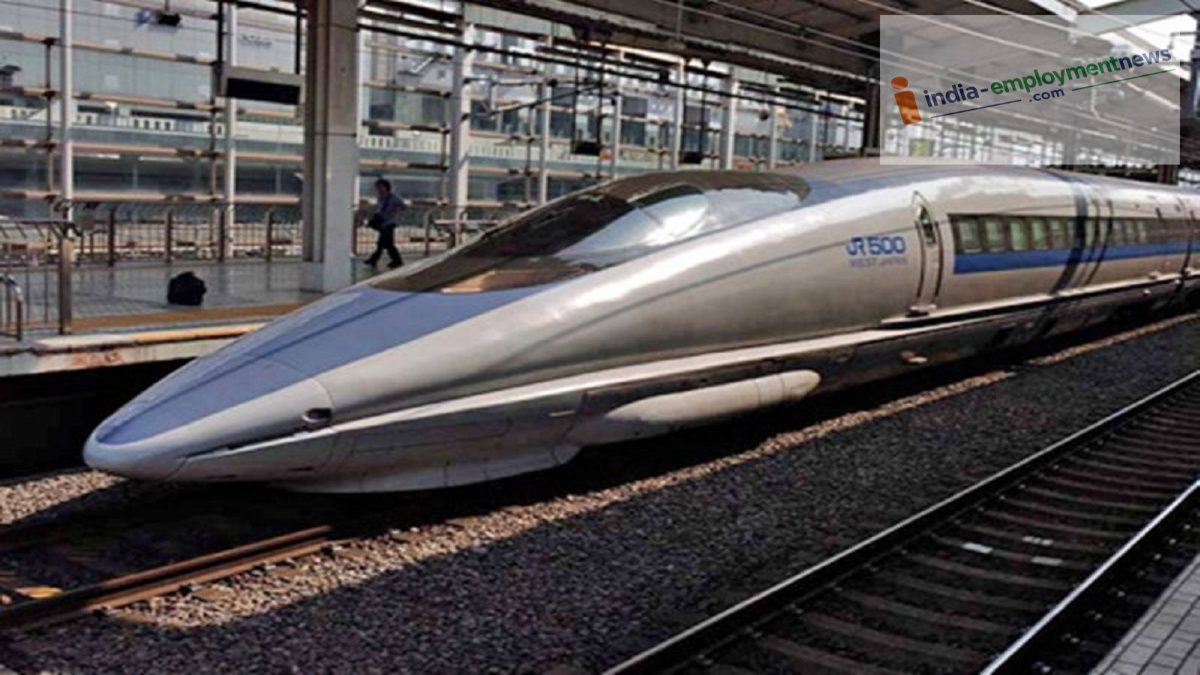
Interest rates in Japan have reached 1.25%. This raises the question: will the Japanese loans for India’s bullet train and metro projects become more expensive? Here is the full story regarding the 0.1% JICA loan, rising project costs, and the impact on future borrowing.
News of the interest rate hike in Japan could have repercussions in India, particularly for major infrastructure projects funded by Japanese loans—such as the Mumbai-Ahmedabad bullet train project.
The Bank of Japan has raised its policy rate from 1% to 1.25%. This marks the highest interest rate level seen in Japan in 31 years. The question now arises: with interest rates rising in Japan, will the cost of the Japanese loan for India’s bullet train also increase? Let’s find out.
Will the Japanese loan for India’s bullet train become costlier?
There is no immediate impact on existing bullet train loans. First, let us understand the nature of the bullet train loan. JICA, a Japanese government agency, agreed to provide approximately 81% of the funding for the Mumbai-Ahmedabad High-Speed Rail project.
The most notable feature of this loan is its interest rate. Under the agreement between India and Japan, a concessional interest rate of just 0.1% was fixed, with a repayment period of 50 years. Therefore, the fact that Japan’s policy rate has reached 1.25% does not automatically mean the interest rate on the existing bullet train loan will rise above 0.1%. In other words, the terms under which the loan was secured cannot be automatically altered simply because interest rates in Japan have increased.
Why is the rise in Japan’s interest rates a cause for concern?
The real issue here concerns future funding. Japan has been funding several Indian infrastructure projects through low-interest loans. However, if interest rates in Japan remain high for an extended period, the cost of securing new loans from there could be affected. In other words, existing loans and future loans should not be viewed in the same light.
The terms for the existing bullet train loan are already fixed; conversely, if funding is sought from Japan for a new project in the future, the terms could differ based on the prevailing circumstances at that time.
Bullet train costs have already risen
This issue regarding the bullet train project is significant because the cost has already escalated considerably. The initial estimated cost of the Mumbai-Ahmedabad High-Speed Rail Corridor was approximately ₹1.1 lakh crore. Recent reports indicate a revised cost of around ₹2.1 lakh crore. Factors contributing to this cost increase include delays in land acquisition, project delays, and other construction-related expenses.
However, it would be incorrect to attribute the entire burden of this increased cost to the Japanese loan. In March 2026, the NHSRCL stated that the cost escalation would not fall entirely on Indian Railways and that there was no basis for the speculation regarding the project’s funding arrangements between India and Japan.
Will the bullet train loan become costlier?
Based on currently available information, it would be inaccurate to claim that the interest rate on the existing bullet train loan would immediately rise due to an increase in Japanese interest rates. This is because the JICA loan secured for the bullet train is a concessional, long-term loan with an interest rate fixed at 0.1 percent under the agreement.
That said, if additional funding or new Japanese loans are required in the future, Japan’s higher interest rates could impact the new financial terms. This would depend on the rate and conditions under which the new loan is obtained.
Are loans also taken for metro projects?
Japan also provides loans for several metro and urban transport projects in India. For instance, in March 2026, JICA signed agreements to provide ODA assistance worth approximately ₹16,420 crore for four projects, including the Bengaluru Metro Phase-3 and Mumbai Metro Line-11. An agreement has been reached for a Japanese loan worth approximately ₹6,100 crore for the Bengaluru Metro Phase-3 project. Consequently, changes in Japanese interest rates are particularly significant for India, given the long-standing relationship between the two nations regarding infrastructure funding.
