
Install an affordable solar system; it will store surplus electricity and reduce your electricity bill..
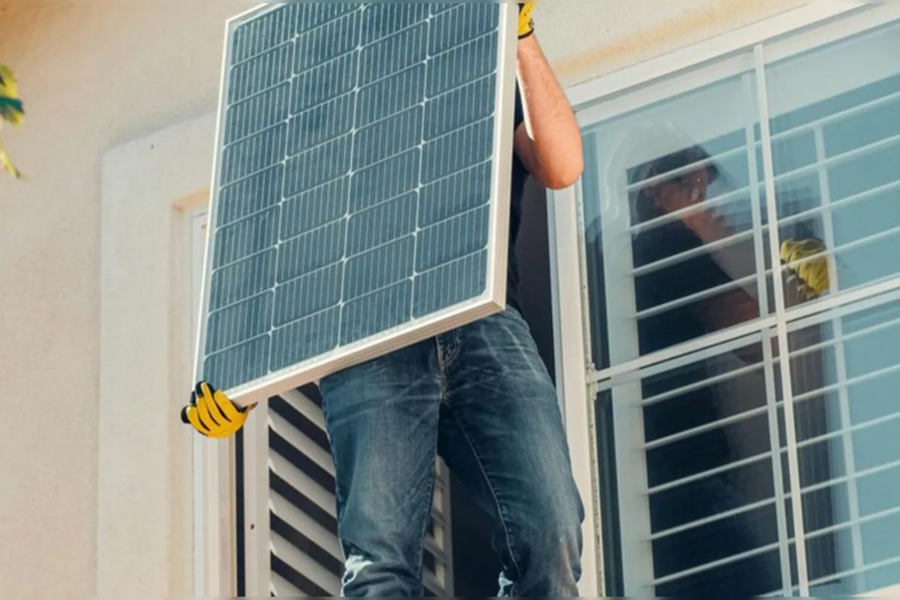
Benefits of Solar Panel Systems: In these times of rising inflation, everyone is troubled by escalating electricity bills. Consequently, people are rapidly turning towards solar energy systems. Solar panels not only help reduce electricity bills but are also beneficial for the environment. Currently, several affordable solar systems are available in the market that can be easily installed on residential rooftops. Solar systems typically fall into three categories: On-Grid, Off-Grid, and Hybrid solar systems. Each of these three systems is designed to cater to specific requirements.
On-Grid Solar System
This is considered the most affordable and popular type of solar system. It connects directly to the local electricity grid. Since it does not require a battery backup, its overall cost is significantly lower. During the day, the solar panels generate electricity. If the panels generate more electricity than is currently needed, the surplus power is fed back into the electricity grid via a net metering system. The units of electricity supplied to the grid are then deducted from your total electricity consumption units. Consumers directly benefit from this arrangement in the form of substantial savings on their electricity bills.
Off-Grid Solar System
This system utilizes battery storage. It is an ideal solution for regions that experience frequent power outages or where a grid connection is unavailable.
Hybrid Solar System
This system represents a combination of both On-Grid and Off-Grid technologies. It offers the dual advantage of providing battery backup while also maintaining a connection to the electricity grid.
How a Solar Panel System Works
Solar panels convert sunlight into DC (Direct Current) electricity. Subsequently, an inverter converts this DC power into AC (Alternating Current), enabling the seamless operation of household appliances such as air conditioners, coolers, fans, and other electronic devices. If excess electricity is generated beyond immediate requirements, it is fed back into the electricity grid through net metering. In exchange for this power supply, the electricity utility company may even compensate the consumer. However, the monetary rate received per unit may vary depending on the specific state and utility provider.
Government Subsidies Available
The Government of India is actively encouraging citizens to adopt solar energy solutions. Under the Central Government's 'PM Surya Ghar: Muft Bijli Yojana' (Free Electricity Scheme), subsidies are being provided for the installation of solar panels in households. Upon registering for the scheme, consumers can have a solar system installed at a reduced cost.
**Relief from the Heat, Too**
Since solar panels are installed on the roof, they shield the house from direct sunlight, thereby helping to keep the indoor temperature lower to a certain extent. During the day, electricity is generated using solar energy, while at night, power can be utilized via the grid or a battery backup. Consequently, this system proves beneficial not only for saving electricity but also for providing relief from the heat.
Disclaimer: This content has been sourced and edited from NDTV India. While we have made modifications for clarity and presentation, the original content belongs to its respective authors and website. We do not claim ownership of the content.
