
India’s First Barrier-Free Multi-Lane Toll Plaza Goes Live for Trial, Vehicles to Pass Without Stopping
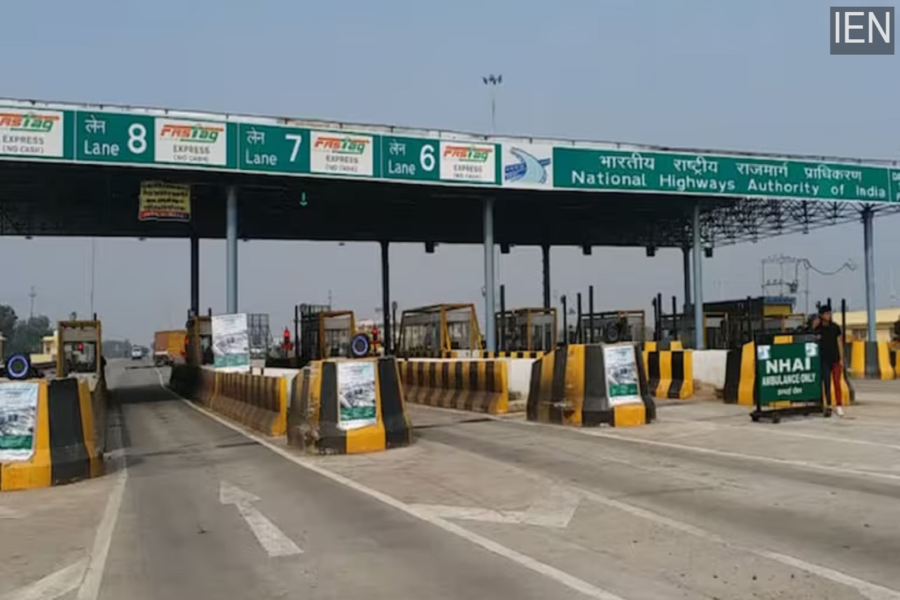
In a major step toward faster and smarter highway travel, India is set to witness a transformation in the way tolls are collected on national highways. The country’s first multi-lane, barrier-free toll plaza has been developed, allowing vehicles to cross toll points without stopping or slowing down. The trial run of this advanced toll collection system will begin on February 2, marking a significant milestone in the government’s push for digital and seamless road infrastructure.
A New Era of Contactless Highway Travel
The newly developed toll plaza has been built on a busy national highway stretch and is designed to eliminate long queues, reduce travel time, and improve traffic flow. With this system in place, drivers will no longer need to apply brakes, wait at toll booths, or manually interact with toll operators. Instead, vehicles will be able to pass through the toll zone smoothly at highway speeds, making long-distance travel far more convenient.
This initiative is part of the central government’s broader vision to modernize highway travel by integrating advanced technology, automation, and digital payment systems. The goal is to create a hassle-free experience for commuters while also improving efficiency in toll revenue collection.
How the Barrier-Free Toll System Works
The new toll collection model is based on Automatic Number Plate Recognition (ANPR) technology. High-resolution cameras installed across multiple lanes will scan the number plates of moving vehicles in real time. Once the number plate is identified, the system automatically links it to the vehicle’s FASTag account and deducts the applicable toll amount.
The entire process is completely contactless and does not require vehicles to stop, slow down significantly, or change lanes. Drivers will be able to cross the toll stretch at speeds of up to 80 km per hour, ensuring uninterrupted movement on the highway. This technology also minimizes human intervention, reducing the chances of errors and disputes.
Big Relief for Daily Commuters and Long-Distance Travelers
For millions of highway users, toll plazas have long been associated with congestion, delays, and fuel wastage. The introduction of a multi-lane, barrier-free toll system promises major relief. With vehicles moving freely, traffic congestion at toll points is expected to drop sharply, especially during peak hours and holiday travel seasons.
In addition to saving time, the new system is also expected to significantly reduce fuel consumption. Vehicles stuck in long queues often burn unnecessary fuel, contributing to higher travel costs and air pollution. A free-flow toll system helps address both issues simultaneously.
Global Technology with Local Impact
The project has been developed with the support of international technology experts, bringing global best practices to India’s highway infrastructure. More than two dozen specialists from a foreign technology agency have worked closely with local authorities to design and implement this advanced tolling solution.
According to officials, the adoption of barrier-free toll collection could lead to substantial economic benefits. Estimates suggest that the system may help save thousands of crores annually through reduced fuel consumption and improved operational efficiency. At the same time, smoother toll collection could result in higher and more accurate revenue generation.
What Lies Ahead for Highway Tolling
Encouraged by this pilot project, the road transport authorities are planning a nationwide rollout of AI-based, multi-lane free-flow toll systems. The long-term vision is to convert more than a thousand toll plazas across the country into barrier-free zones over the next few years.
If the trial proves successful, the way people experience highway travel in India could change completely. Toll booths with physical barriers may soon become a thing of the past, replaced by smart, invisible systems that operate seamlessly in the background.
A Step Toward Smarter Infrastructure
The launch of India’s first barrier-free, multi-lane toll plaza reflects the government’s commitment to building future-ready infrastructure. By combining digital payments, artificial intelligence, and automation, the new system aims to make highway travel faster, cleaner, and more efficient.
As the trial begins, all eyes will be on its performance and public response. If it delivers on its promise, this innovation could redefine toll collection across the country and set new standards for smart mobility on national highways.
