
India's First Hydrogen Train Ready for Launch: Here’s Why It’s So Special
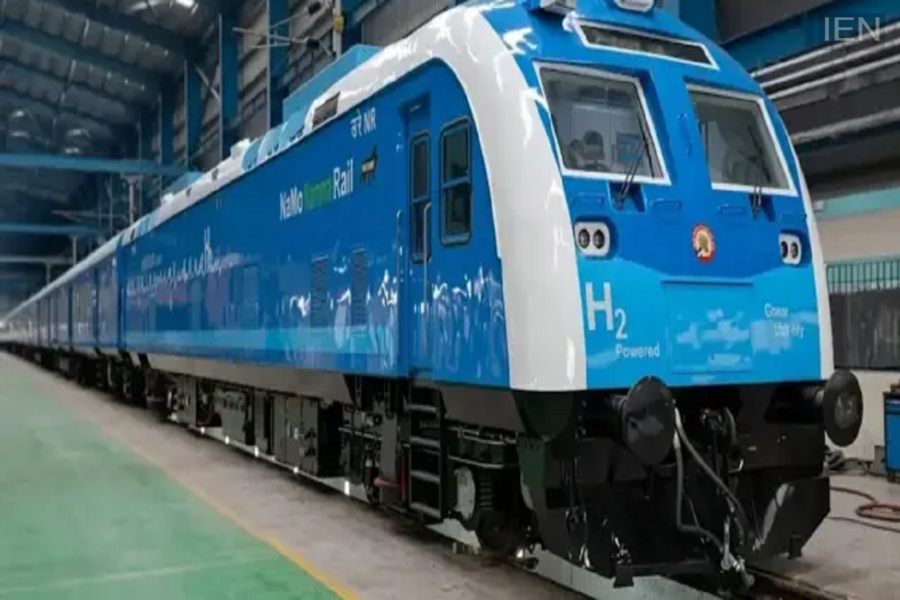
Hydrogen Train India: Indian Railways is continuously moving towards adopting new technologies. As part of this initiative, the country is soon set to receive its first hydrogen-powered train.
Hydrogen Train India: If everything goes according to plan, this train will be seen running on the Jind-Sonipat rail section in Haryana next week. Reports suggest that Prime Minister Narendra Modi might flag off the train from Jind on July 17.
This is not merely a new train; it is considered a major step for India towards a cleaner and more eco-friendly railway system. Let’s understand what makes this train so special.
When and where will this train run?
Initially, this hydrogen train will operate between Jind and Sonipat in Haryana.
| Information | Details |
|---|---|
| Expected Launch Date | July 17 |
| Route | Jind – Sonipat |
| Daily Trips | 2 Round Trips |
| Total Distance Covered Per Day | 356 km |
| One-Way Distance | 89 km |
| Initial Operating Speed | 75 km/h |
| Maximum Design Speed | 110 km/h |
What makes this train so special?
While most people are familiar with electric and diesel trains, this train will run on hydrogen fuel cell technology. In this process, hydrogen and oxygen combine to generate electricity, which powers the train. The best part is that this process emits no smoke or toxic gases—only water vapor is released. This is why it is considered a superior option for the environment. India is now set to join the select group of nations—including Germany, Japan, China, and the USA—that are working on hydrogen trains.
What are the train's key features?
It is a 10-coach retrofitted Diesel Electric Multiple Unit (DEMU), comprising two driving power cars and eight passenger coaches.
Key Highlights
Seating capacity for 682 passengers.
Total capacity of approximately 2,600 passengers.
According to Railway Minister Ashwini Vaishnaw, it is the world's longest hydrogen train on broad gauge.
The train has been manufactured by the Integral Coach Factory (ICF), Chennai.
System integration was carried out by Medha Servo Drives, Hyderabad. The hydrogen fuel-cell stacks have been supplied by Canada's Ballard Power Systems, as they are not currently manufactured in India.
How will the hydrogen refueling process work?
To operate the hydrogen train, the Railways has set up a dedicated hydrogen production, storage, and refueling facility in Jind.
420–430 kg of hydrogen can be produced daily.
Up to 3,000 kg of hydrogen can be stored.
The station has received approval from the Petroleum and Explosives Safety Organisation (PESO) for hydrogen storage and refueling operations.
Passenger safety has also been prioritized; the train is equipped with hydrogen leak detectors and flame detectors that will be continuously monitored.
What are the Railways' future plans?
Indian Railways has sanctioned ₹111.83 crore for this pilot project. This amount covers the cost of manufacturing the train as well as the entire infrastructure for hydrogen production, storage, and refueling. If this trial proves successful, Indian Railways may operate such hydrogen trains on routes where laying full electrification lines is currently challenging.
