
India Raises Gold and Silver Import Duty to 15% as New Tax Rules Come Into Effect
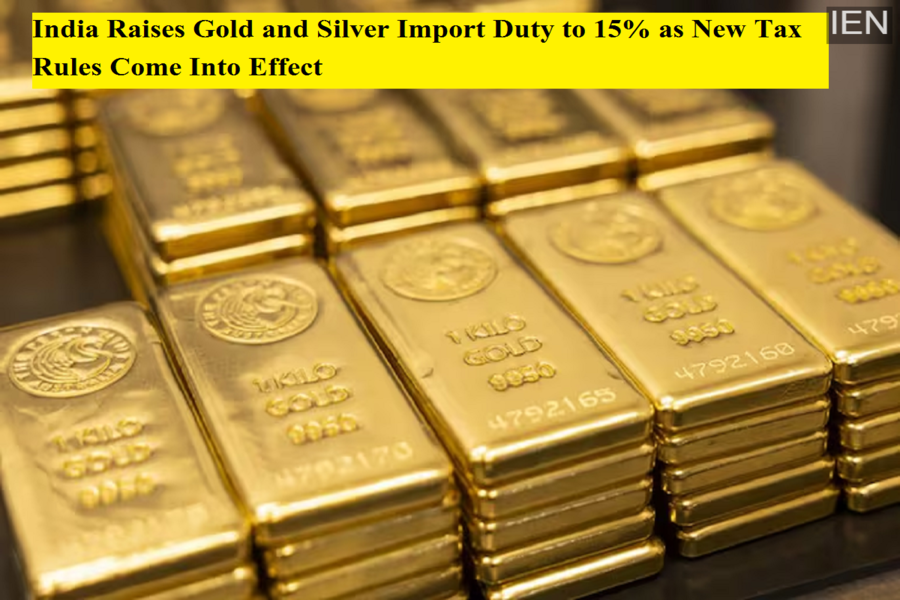
The India government has introduced a major change in precious metals taxation by sharply increasing import duty on gold and silver. The revised rates officially came into effect from May 13, 2026, and are expected to impact bullion prices, jewellery demand, imports, and the overall trade balance.
Under the new structure, the total effective import duty on gold and silver has been increased from 6% to 15%. The government raised the Basic Customs Duty on gold from 5% to 10%, while the Agriculture Infrastructure and Development Cess (AIDC) was increased from 1% to 5%.
The decision marks a major reversal from the government’s earlier move in July 2024, when import duties were reduced to support the gems and jewellery industry and discourage smuggling activities.
New Import Duty Structure Explained
According to the latest notification issued by the Finance Ministry, imported gold and silver will now attract:
- 10% Basic Customs Duty
- 5% Agriculture Infrastructure and Development Cess (AIDC)
This takes the overall effective import tax to 15%.
The government has also revised customs duty rates for precious metal findings, recycled metal waste, platinum components, and metal-containing industrial materials.
Under the updated structure:
- Gold and silver findings will attract 5% customs duty
- Platinum findings will face 5.4% duty
- Certain recycled precious metal waste and spent catalysts may receive concessional duty rates of 4.35% under approved compliance conditions
Officials said the revised rules apply to several bullion-related imports, including gold, silver, platinum, precious metal ash, and metal-containing industrial catalysts.
Why the Government Increased Import Duty Again
The latest move comes at a time when India is dealing with rising import bills, pressure on foreign exchange reserves, and a weakening rupee.
India remains one of the world’s largest consumers of gold and depends heavily on imports to meet domestic demand. Analysts say rising purchases of bullion in recent months significantly increased dollar outflows from the country.
Reports suggest the government wants to reduce non-essential imports and lower pressure on the current account deficit by making imported gold and silver more expensive.
Higher crude oil prices and geopolitical tensions in West Asia have also increased economic concerns globally, prompting policymakers to take stricter measures to manage external financial risks.
Earlier Duty Cut Had Boosted Gold Imports
In July 2024, the government had reduced import duty on gold and silver from 15% to 6% in an effort to support the jewellery sector and curb illegal smuggling.
At that time:
- Basic Customs Duty was reduced from 10% to 5%
- AIDC was lowered from 5% to 1%
The lower tax structure made bullion imports cheaper and helped jewellery demand recover. However, experts say the reduction also contributed to a sharp rise in gold imports over the following months.
Now, with imports increasing rapidly and trade deficit concerns growing, the government has restored duties close to earlier higher levels.
Rising Bullion Imports Increased Economic Pressure
According to market reports, India’s gold imports rose significantly during the past year, adding pressure on the country’s trade deficit and foreign currency reserves.
Data cited in reports indicated that:
- Gold imports increased to nearly $58.9 billion
- Silver imports surged around 44% to $9.2 billion
- January 2026 alone reportedly witnessed exceptionally high gold imports
Economists say large imports of precious metals increase demand for US dollars because international purchases are settled in foreign currency. This can weaken the Indian rupee and increase pressure on the economy.
Recent market conditions also pushed the rupee close to record low levels against the dollar, increasing concerns among policymakers.
Government Aims to Protect Forex Reserves
Analysts believe one of the government’s biggest priorities is protecting India’s foreign exchange reserves amid global uncertainty.
Higher crude oil prices, international conflicts, and rising commodity costs are already increasing India’s import burden. By discouraging excessive gold and silver imports, the government hopes to reduce unnecessary outflow of foreign currency.
Recent statements from policymakers also emphasized the importance of controlling non-essential imports during periods of economic stress.
Jewellery Industry Concerned About Demand Slowdown
While the government sees the duty hike as necessary for economic stability, the jewellery industry has expressed concerns over its possible impact on sales and employment.
Higher import duties directly increase domestic bullion prices, making jewellery more expensive for consumers. Industry representatives fear that expensive gold rates may reduce demand, especially during wedding and festive seasons.
Some analysts also warned that a sharp rise in import duty could once again encourage illegal gold smuggling if price differences between international and Indian markets widen significantly.
Bullion Market Expected to Stay Volatile
Following the announcement, gold and silver prices in domestic markets surged sharply as traders adjusted to the higher import cost.
Commodity experts expect bullion markets to remain volatile in the coming weeks as investors monitor:
- Global geopolitical tensions
- Crude oil prices
- Currency movement
- Inflation trends
- Future government policy decisions
Although the higher duty may reduce imports and support foreign exchange reserves, it is also likely to keep domestic gold and silver prices elevated in the near term.
