
In UP, This Man Is Powering Cars Using Gas Produced from Cow Dung and Sugarcane Bagasse; It Will Also Fuel Kitchen Stoves
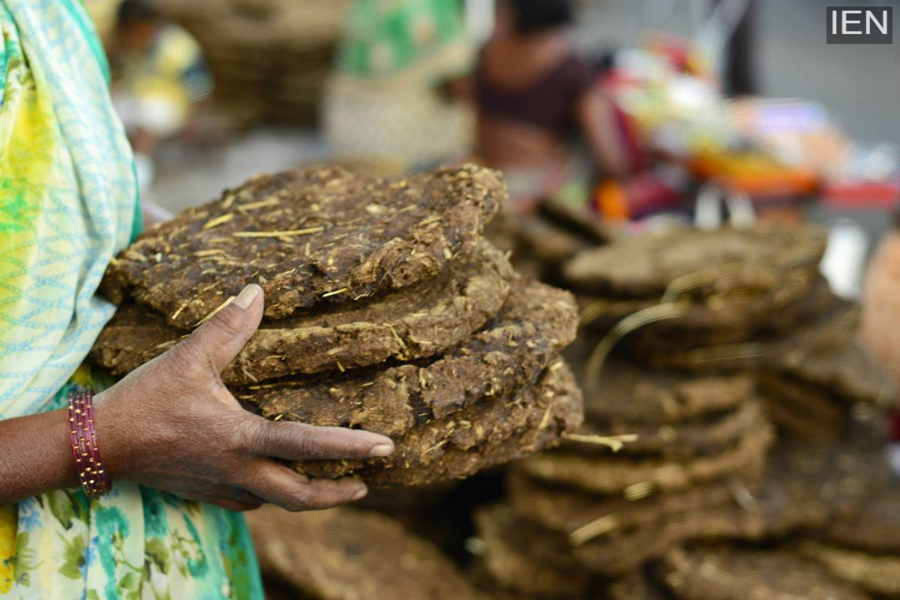
Biogas Production: In Hardoi, Uttar Pradesh, a young man has established a plant to produce biogas (CBG) using cow dung, sugarcane bagasse, and crop stubble. This facility produces 2.4 tons of CBG daily.
Biogas Production & the LPG Crisis: The world is currently passing through a period of instability. Rising tensions between Iran and the West have sparked fears of an energy crisis across the globe. If the conflict in the Gulf region escalates, the prices of petrol, diesel, and gas could skyrocket for nations like India. However, did you know that a young man from Uttar Pradesh—India's largest state—has found a solution to this very problem? By utilizing rural farmlands and mounds of cow dung, this young entrepreneur has discovered a remedy for this global crisis.
In Bhailamau village within Uttar Pradesh's Hardoi district, a 29-year-old has achieved something that even major metropolitan cities have failed to accomplish. His name is Adi Upendra Tiwari. After completing his MBA studies in the UK, Adi chose to return to his roots—his village—rather than pursuing a career abroad. He has set up an energy plant that transforms waste into "Green Gold"—specifically, Compressed Biogas (CBG). Adi's model is remarkably simple yet highly effective.
This plant primarily utilizes three raw materials:
1. Cow dung
2. Sugarcane bagasse
3. Crop residue (stubble)—which farmers often resort to burning.
This Gas Is Being Used as a Substitute for CNG
According to officials, the plant is currently producing 2.4 tons of CBG daily. The gas produced is of such high purity that it is being utilized in vehicles as an alternative to CNG; furthermore, plans are underway to soon deliver it directly to household kitchens via pipelines, serving as Piped Natural Gas (PNG).
Harsh Pratap Singh, the Deputy Commissioner (Industries), has lauded this initiative. Adi, however, does not intend to stop here. Very soon, the capacity of this plant will be increased from 2.4 tons to 12 tons per day.
Farmers' incomes will also rise.
He says, "Just imagine: when such plants are established in every village, we will no longer have to depend on other nations—or on geopolitical conflicts—for our gas supply. This will not only reduce pollution but also boost the incomes of farmers."
News of conflicts—such as the Iran-Israel war—may alarm the public, but young individuals like Adi Upendra Tiwari offer a beacon of hope to the nation. The true face of an 'Atmanirbhar Bharat' (Self-Reliant India) is emerging from this small village in Hardoi. This model of generating energy from waste is, truly, the need of the hour.
