
In This Country, Milk, Bread, and Eggs Have Become More Expensive Than Gold—Here, Gold Is Available at a Fraction of the Cost
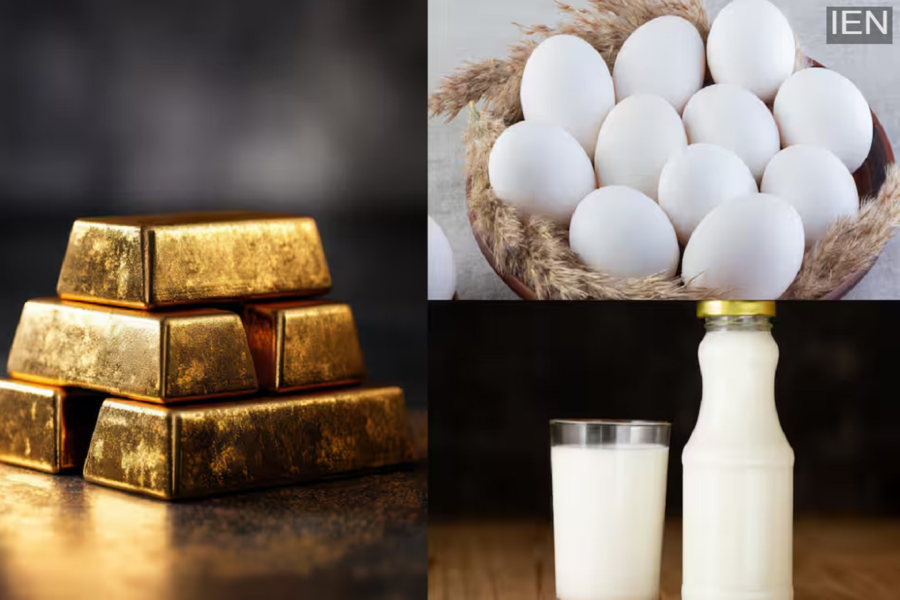
Venezuela Gold Price: While purchasing gold in India is no longer an everyday affair, in the South American nation of Venezuela, 24-karat gold is being sold at such a low rate that it is actually cheaper than daily essentials like milk and bread.
Venezuela Gold Price is Cheaper than Bread and Milk: In India, the rates for gold and silver continue to rise day by day. For the common man, buying gold today is no longer an easy task. But just imagine: what if gold were to sell for less than everyday necessities like milk and bread? This is precisely the situation in Venezuela, South America, where the price of gold is so low that it has become cheaper than common daily commodities. This fact is bound to leave everyone astonished.
At the beginning of 2026, the price of 24-karat gold in Venezuela plummeted to an extremely low level. According to reports, the price of 24-karat gold there stands at approximately 181 to 200 Indian Rupees per gram. This means that one can purchase 10 grams of gold for less than 2,000 rupees. In stark contrast, 24-karat gold in India is currently trading at a level of approximately 13,800 rupees per gram. This vast disparity highlights Venezuela’s crumbling economic situation and the severe depreciation of its currency.
Everyday Essentials Are More Expensive Than Gold
Although gold is inexpensive, purchasing everyday necessities remains an extremely difficult task for the common people. According to reports from Venezuela:
- 1 liter of milk costs approximately 175 rupees.
- A single packet of bread sells for around 170 rupees.
- One has to spend approximately 233 rupees for a dozen eggs.
This demonstrates that despite the rock-bottom prices of gold, life has not become any easier for the average citizen.
Why is Gold So Cheap in Venezuela?
The fact that gold is so inexpensive in Venezuela is not, in any way, a sign of prosperity. The reason for this is the plunge of the country’s currency—the bolívar—to a historic low. Driven by rampant inflation and economic destitution, the local currency has become virtually worthless. Venezuela possesses one of the world’s largest reserves of crude oil, and the Orinoco Mining Arc region alone is estimated to hold 8,000 tons of gold; however, corruption and mismanagement have pushed this resource-rich nation to the brink of financial ruin.
Gold Reserves Used to Repay Debt
According to reports, President Nicolás Maduro shipped a significant portion of the country’s gold reserves abroad during his tenure in order to repay debts. Between 2013 and 2016, approximately 113 metric tons of gold were sent to Switzerland. Even though gold is currently being sold for a pittance, ordinary citizens still struggle to secure even two square meals a day. Shortages of food supplies and diminishing purchasing power have made life extremely difficult for the common people.
