
Improve Your Credit Score in Just 6 Months: Follow These 5 Powerful Tips
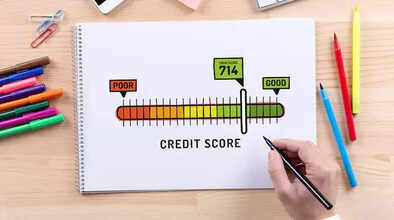
A strong credit score is one of the most important financial tools you can have today. A score above 750 not only improves your chances of loan approval but also helps you secure higher credit limits and better interest rates from banks. If your credit score is currently low or average, the good news is that you can significantly improve it within just six months by taking the right steps consistently.
Your repayment history plays a major role in determining your credit score. Even a single delayed payment can negatively affect your rating. That’s why maintaining disciplined and timely payments is crucial. Here are five effective strategies that can help you boost your credit score faster.
1. Check Your Credit Report Carefully for Errors
The first step to improving your credit score is reviewing your credit report thoroughly. Many people remain unaware that incorrect or outdated information in their report could be damaging their credit profile.
If you find incorrect entries, duplicate accounts, or wrong outstanding balances, you should immediately raise a dispute with the credit bureau. Once the wrong information is corrected, your score may improve quickly. Ignoring errors can hold back your score even if you have been financially disciplined.
2. Pay All Bills Before the Due Date
Timely payment of all outstanding bills—credit card bills, EMIs, utilities, or any other dues—is essential. Payment delays are recorded directly in your credit history, and even a single missed due date can reduce your score significantly.
If you tend to forget due dates, activate Auto-Pay from your bank account. This ensures automatic deductions on the scheduled date and prevents accidental defaults. Consistent on-time repayment is one of the strongest signals of responsible financial behavior.
3. Reduce Your Credit Utilization Ratio
The Credit Utilization Ratio (CUR) is the percentage of credit you use out of your total available limit. Experts suggest keeping it below 40% to maintain a healthy score.
For example, if your credit card limit is ₹1,00,000, try not to use more than ₹40,000. A high utilization percentage reflects financial stress and can slow down your credit score growth. To maintain a balanced ratio:
-
Limit unnecessary spending
-
Increase your credit limit if possible
-
Use multiple cards responsibly instead of exhausting one
4. Avoid Applying for Multiple Loans at the Same Time
Every time you apply for a loan or a credit card, the lender performs a hard inquiry on your credit report. Multiple inquiries in a short period can reduce your score and create a risk perception for lenders.
During your six-month improvement period, try to avoid applying for new loans unless absolutely necessary. Focus entirely on strengthening your existing profile rather than expanding borrowing.
5. Do Not Close Old Credit Accounts Without Need
Your oldest active account carries valuable credit history, which positively contributes to your score. Closing old accounts shortens your credit age and may lower your score.
If you have multiple accounts and need to close one, choose the newest account instead. Maintain the older ones even if you use them minimally.
Final Takeaway
Improving your credit score is not a complex process; it simply requires discipline, planning, and consistency. By following these five key actions—correcting report errors, timely payments, controlling credit usage, avoiding frequent loan applications, and maintaining older accounts—you can significantly enhance your credit score within six months.
A strong credit score opens the door to:
-
Faster loan approvals
-
Lower interest rates
-
Higher credit limits
-
Better financial credibility
Start today and enjoy long-term financial benefits by managing your credit wisely.
