
If your PAN details are leaked, you could land in trouble—you could even end up as a defaulter without ever having taken out a loan..
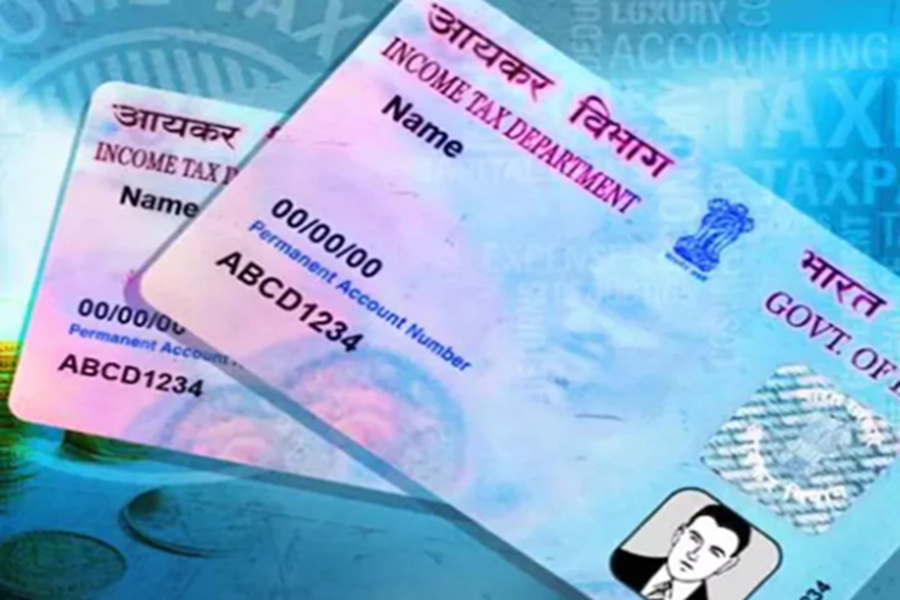
In today's digital era, the PAN Card is no longer merely a document for filing taxes. From opening a bank account to obtaining loans, making investments, and completing KYC procedures, a PAN has become indispensable for almost every financial transaction. However, this very convenience is now evolving into a significant threat to the public.
PAN-related fraud is on the rise across the country. Cyber fraudsters are utilizing people's PAN details—along with other personal information—to secure fraudulent loans in their names. Many individuals remain unaware of this until their credit score suddenly plummets or recovery agents begin demanding EMI payments from them.
**How is PAN Misused?**
Cybercriminals first gather individuals' personal information. This data is often procured through data leaks, phishing links, fraudulent mobile applications, or insecure websites. Subsequently, the fraudsters complete the digital KYC process by linking the PAN number with an Aadhaar number, a mobile number, and forged supporting documents. On many online lending platforms, the processing speed is so rapid that loans can be approved even when secured through a fraudulent identity. Once a loan is disbursed, the details are recorded in the databases of credit bureaus such as CIBIL, Experian, and Equifax. This is precisely where the real trouble begins.
**A Damaged Credit Score—Even Without Taking a Loan**
If a fraudulent loan is active in your name and the associated EMIs are left unpaid, it has a direct and adverse impact on your credit score. This can create difficulties in securing a home loan in the future; credit card applications may be rejected, you may be subjected to higher interest rates, and banks may classify you as a "high-risk" customer. In numerous instances, individuals are left in shock when they apply for a loan themselves, only to be informed by the bank that they have been flagged as a defaulter.
**Beyond Credit Scores: Legal Complications Too**
According to experts, the repercussions extend far beyond just a damaged credit score. Fraudulent loans can also surface in your financial records and tax documentation. Should the loan recovery process be initiated, it could even lead to the issuance of legal notices. The most significant challenge is that rectifying such cases can often take several weeks—or even months—to resolve.
**Why Does It Go Undetected for So Long?** In cases of debit card or UPI fraud, an alert is triggered the moment money is debited from the account. However, in the case of PAN fraud, everything unfolds silently in the background. A person remains completely unaware until they check their credit report or receive a call from their bank. Consequently, many such cases remain undetected for months.
**How to Check?**
Experts advise checking your credit report every few months without fail. This report contains details of all loans and credit cards linked to your PAN. Pay close attention to the following points:
Check for any unfamiliar loan accounts.
Look out for the name of any unknown bank or NBFC.
Verify if your credit score has dropped suddenly.
Check Form 26AS for any suspicious transactions.
**What to Do If You Discover a Fraudulent Loan?**
If you discover a fraudulent loan taken out in your name, take immediate action:
File a complaint with the concerned bank or NBFC.
Raise a dispute with CIBIL or another credit bureau agency.
File a complaint with the Cyber Crime Portal or the police.
Safeguard all relevant documents and evidence.
**Simple Ways to Protect Your PAN**
Do not share a copy of your PAN unless necessary.
Avoid uploading documents to unknown websites or apps.
Be wary of phishing links and fraudulent calls.
Check your credit report periodically.
Keep your mobile and email alerts enabled.
Disclaimer: This content has been sourced and edited from News18 Hindi. While we have made modifications for clarity and presentation, the original content belongs to its respective authors and website. We do not claim ownership of the content.
