
If you have set this date for EMI deduction from your salary account, be alert; you could face a penalty and damage to your CIBIL score..
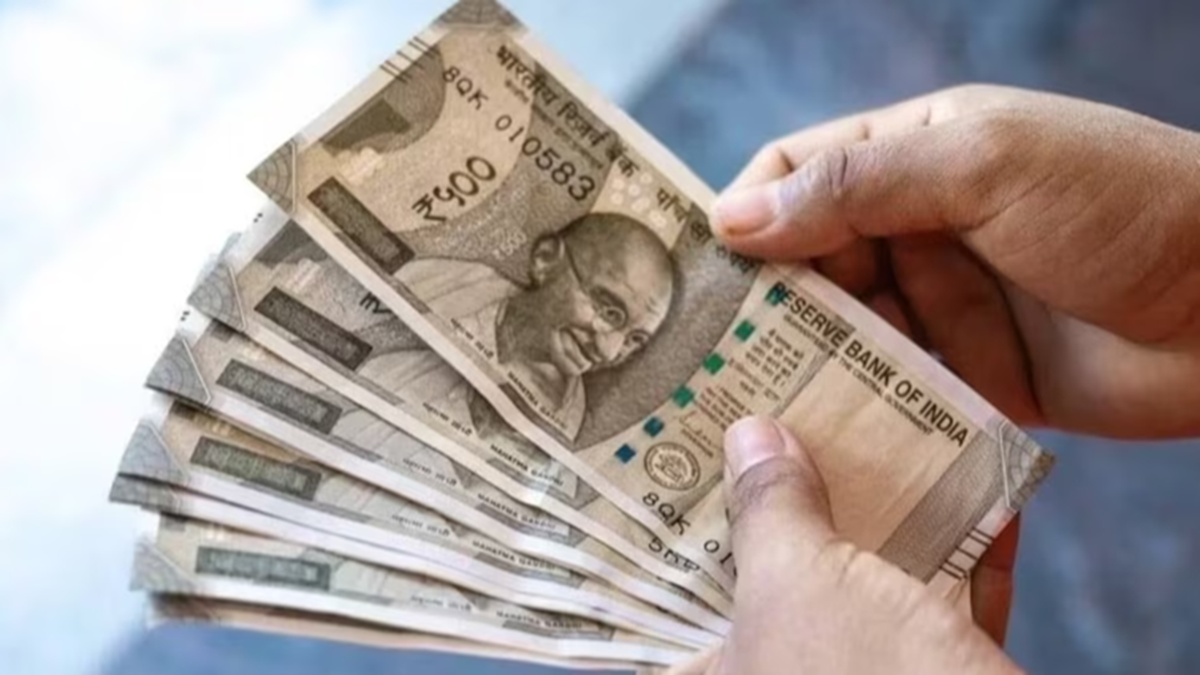
Do you breathe a sigh of relief the moment your salary arrives? If your salary is credited on the last day of the month, but you have set up auto-debit instructions for loan EMIs or other essential bills for the 1st of the month, this slight gap in dates could prove costly.
If the clearing of funds is delayed due to a weekend or a bank holiday, the payment might fail despite having a sufficient balance in your account. The consequences can range from financial penalties to a negative impact on your credit history. Simply put, a mismatch between the date you receive your income and the date you make payments can lead to significant cash-flow issues.
Why is receiving your salary at the end of the month risky?
If your salary is credited on a Friday followed by a long weekend (holidays), the NEFT or RTGS transfer might reflect in your balance, but the funds may not be cleared for withdrawal until Monday. In such a scenario, if you have scheduled auto-debits for the 1st of the month, the delay in clearing could result in hefty penalties and adversely affect your credit score.
A 4-step formula for salary management
Step 1 – Wait for 72 hours (the 1st and 2nd of the month). Avoid making any transactions during this period and allow the funds to fully clear within the banking system.
Step 2 – Perform 'wealth extraction' (converting money into investments) on the 3rd; immediately transfer a portion of your salary (e.g., 20%) into investments or an SIP.
Step 3 – Automate payments for your expenses (such as rent, home loan EMIs, and utility bills like electricity) between the 5th and the 7th.
Step 4 – Transfer your 'allowance' by the 8th; set aside half of the remaining funds for daily expenses (e.g., in a UPI-linked account).
Budget Drift and the '22nd' Danger
According to a report, the 22nd of the month is a 'danger zone.' By this time, the initial excitement of receiving one's salary has faded, and the wait for the next month feels interminable. If your UPI account runs dry by the 22nd, it is known as 'budget drift.' To avoid this, the report advises against dipping into your emergency fund; instead, cut out non-essential expenses entirely.
Four Practical Tips
1. Create a Buffer
Always keep an extra amount equivalent to 50% of your monthly expenses in your salary account as a buffer.
2. Auto-Sweep
Enable the auto-sweep facility on your bank account so that idle funds earn interest comparable to a Fixed Deposit (FD).
3. Cooling-off Period
To avoid succumbing to the temptation of online sales, wait 48 hours after adding items to your shopping cart before finalizing the purchase.
4. Change the Date
Contact your credit card provider to align your billing cycle with the 10th of the month.
PC Social Media
