
If the deadline for ITR-1 or ITR-2 is missed, can you file ITR-3 by August 31? Know the rules
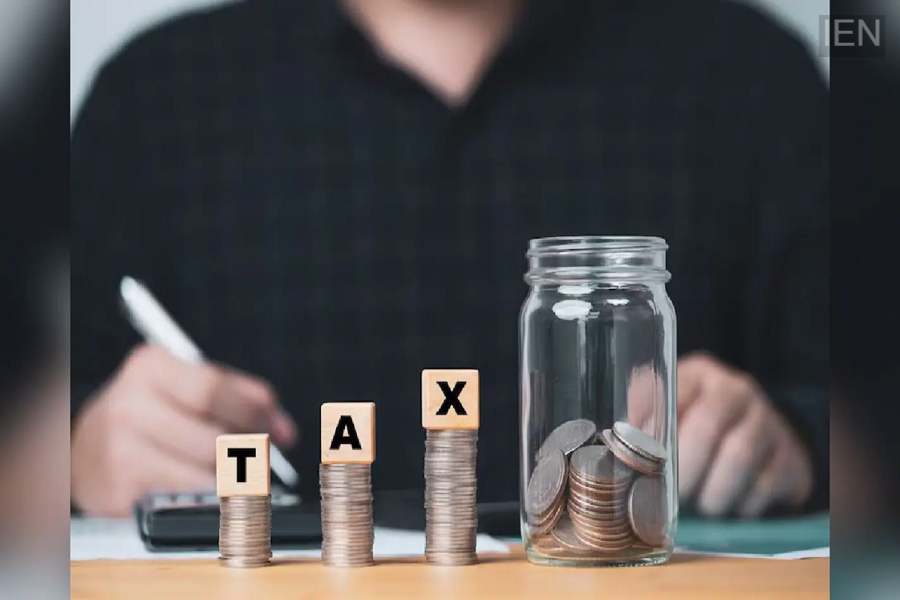
The process of filing Income Tax Returns (ITR) is underway, and July 31, 2026, is the deadline for most individual taxpayers.
In this context, many wonder if they can file ITR-3 by August 31, 2026, should they miss the deadline for ITR-1 or ITR-2. Tax experts give a clear answer: No. The choice of ITR form is determined by the source of your income, not by the filing deadline.
Can ITR-3 be filed simply because of a later deadline?
According to CA Abhishek Soni, CEO and Co-founder of Tax2Win (cited in an Upstox report), one cannot file ITR-3 merely because its deadline falls later. He stated that if an individual is eligible to file ITR-1 or ITR-2, they must file that specific form. Even if they fail to file the return by July 31, the option to choose ITR-3 does not become available. Filing the wrong ITR form can result in the return being classified as 'defective'.
Who should file which ITR form?
According to CA Gaurav Singh Parmar, Associate Director at Fincorpit Consulting, the ITR form is determined by your sources of income.
| Source of Income | Applicable ITR Form |
|---|---|
| Salary, pension, interest income, capital gains, or income from one house property | ITR-1 or ITR-2 |
| Income from business or profession | ITR-3 |
This means that if your income comes solely from salary, pension, interest, capital gains, or income from a single house property, you cannot file ITR-3 simply because it has a later deadline.
What should be done if the July 31 deadline is missed?
If a taxpayer fails to file ITR-1 or ITR-2 by July 31, 2026, they can file a 'Belated Return' by December 31, 2026, under Section 139(4) of the Income Tax Act. However, filing a return late can entail certain additional costs and disadvantages.
Filing an ITR late can have the following consequences:
A late fee of up to ₹5,000 may be applicable.
If the total income is less than ₹5 lakh, the late fee will be ₹1,000.
Interest may have to be paid on outstanding tax dues.
In some cases, the benefit of carrying forward tax losses to subsequent years may be lost.
What do tax experts advise?
CA Gaurav Singh Parmar states that the extended deadline for ITR-3 should not be viewed as an invitation to file the return late. This form is intended only for individuals whose income is derived from a business or profession, or who meet the specific eligibility criteria for it.
Therefore, before filing your return, verify the source of your income and select the appropriate ITR form accordingly. If, for any reason, you miss the July 31 deadline, do not file the wrong form; instead, file a 'belated return' using the correct, eligible form in accordance with the prescribed rules.
