
If money is not dispensed from an ATM but is deducted from your account, the bank will provide daily compensation..
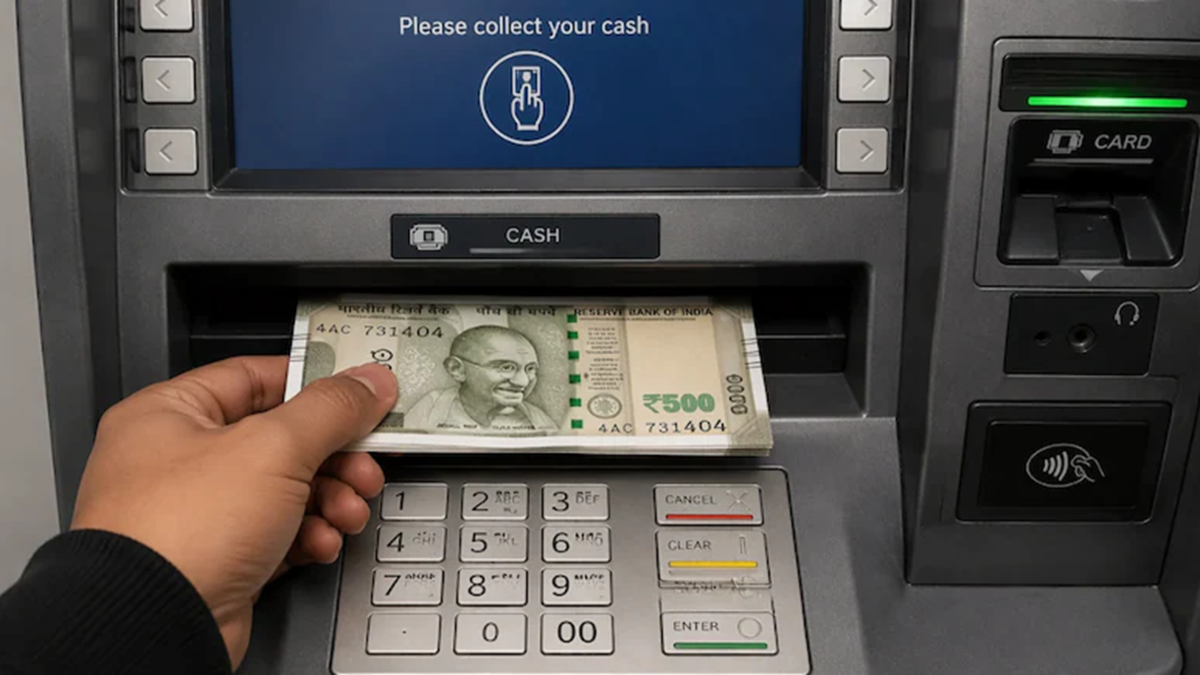
If you withdraw money from an ATM and the cash does not come out, yet you receive a notification that the amount has been deducted from your account, there is no need to panic. The RBI has established strict regulations for such situations. In these cases, banks are required to refund the deducted amount within a specified timeframe. If the funds are not refunded within this period, the bank is obligated to pay daily compensation.
According to RBI guidelines, banks must credit the amount back to the customer's account within a maximum of 5 to 6 working days. If the bank fails to return the money within this stipulated time, it must pay the customer a compensation of ₹100 for every day of delay. For instance, if a bank delays the refund by an additional four days, the customer would be entitled to ₹400 as compensation.
When can a bank levy charges?
Not every instance of money being deducted from an account constitutes a successful transaction. Banks may charge fees—in accordance with their policies—for events such as ATM transaction failures due to insufficient funds, bounced cheques, or failed automated payments. Major banks, such as SBI and HDFC, charge between ₹20 and ₹25 (plus GST) if an ATM transaction fails due to an inadequate account balance.
Similarly, if a cheque is returned due to insufficient funds or an automated debit mandate fails, banks may impose a penalty ranging from ₹250 to ₹500, along with applicable taxes (GST).
However, if a valid ATM withdrawal fails due to a technical glitch or a machine malfunction, the bank cannot charge any additional fees for the unsuccessful transaction. Instead, they are required to refund the full amount within the prescribed timeframe, along with any applicable interest or compensation.
Disclaimer: This content has been sourced and edited from NDTV India. While we have made modifications for clarity and presentation, the original content belongs to its respective authors and website. We do not claim ownership of the content.
