
If an accident occurs with a cooking cylinder, these people will not receive a claim. Learn this important information.
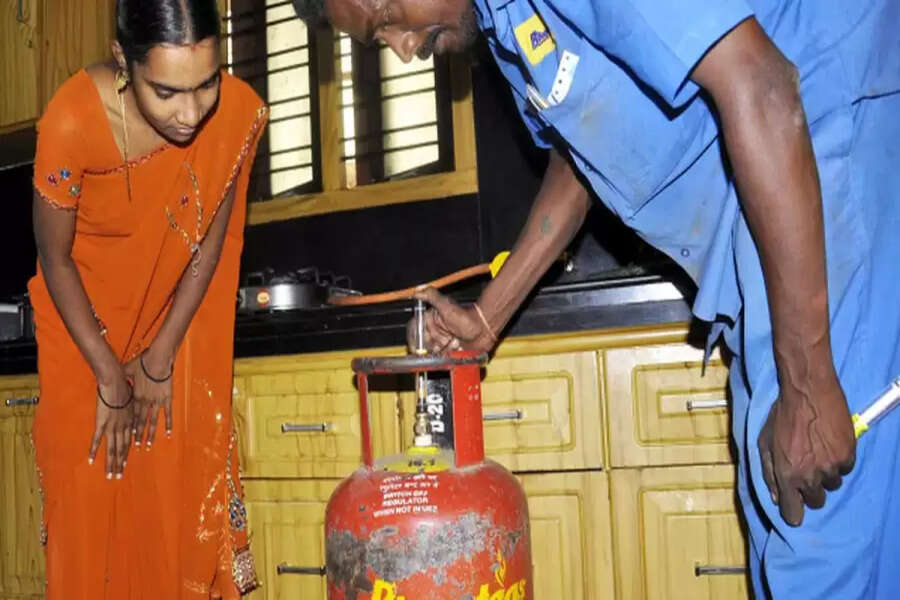
LPG Gas Cylinder Insurance: Claims for cooking cylinder accidents are only available if necessary precautions are taken. Even the slightest carelessness can prevent a claim.
LPG Gas Cylinder Insurance: Nowadays, cooking is done using LPG gas cylinders in almost every household. This is very easy and convenient, but it also carries the risk of accidents. But many people are unaware of this. Every LPG gas cylinder is insured. Many assume that if an accident occurs with the cylinder, they will automatically receive an insurance claim.
But this is not the case. Claims are only available if the cylinder and connection are used in accordance with the regulations. People often overlook this, and their claims are subsequently rejected. Therefore, it is important to understand who is eligible for a claim and who is not. Let us explain the details.
Who doesn't get a claim?
Compensation for an LPG cylinder explosion covers a maximum of ₹50 lakh, with coverage of approximately ₹10 lakh per person. However, not everyone is eligible. This claim is only available if the cylinder, pipes, regulator, and stove are fully compliant with the company's standards. If you have installed local pipes, replaced the regulator with a cheaper alternative, or the stove is not of standard quality, the inspection team assumes negligence on your part.
Households often have stoves placed in places with no ventilation, or if flammable materials are stored near them. Claims can also be rejected in such circumstances. The company may also question the connection if it is in a different name and used by someone else. Claims are denied if the setup is not secure, documents or information are incorrect, or if negligence is evident.
What should be considered when claiming a claim?
If you want to receive a hassle-free insurance cover of up to ₹50 lakh (₹50 lakh) or up to ₹10 lakh per person in case of an unforeseen event, always remember a few things: Only purchase cylinders from an authorized distributor and keep the receipt. The pipe should be company-certified, and it should be replaced immediately after the expiry date.
The stove should be located in a safe place. Do not place items like oil, cloth, or newspaper near it. Avoid pulling or shaking the cylinder while cooking. It is important to inform both the police and the distributor immediately after an accident, as the insurance process is based on the report. Following these steps correctly increases the chances of receiving a claim.
