
Hurry Up or Your Cylinder Booking Will Be Cancelled… ‘Cylinder Scam’ Emerges Amidst LPG Crisis; Learn How to Stay Safe
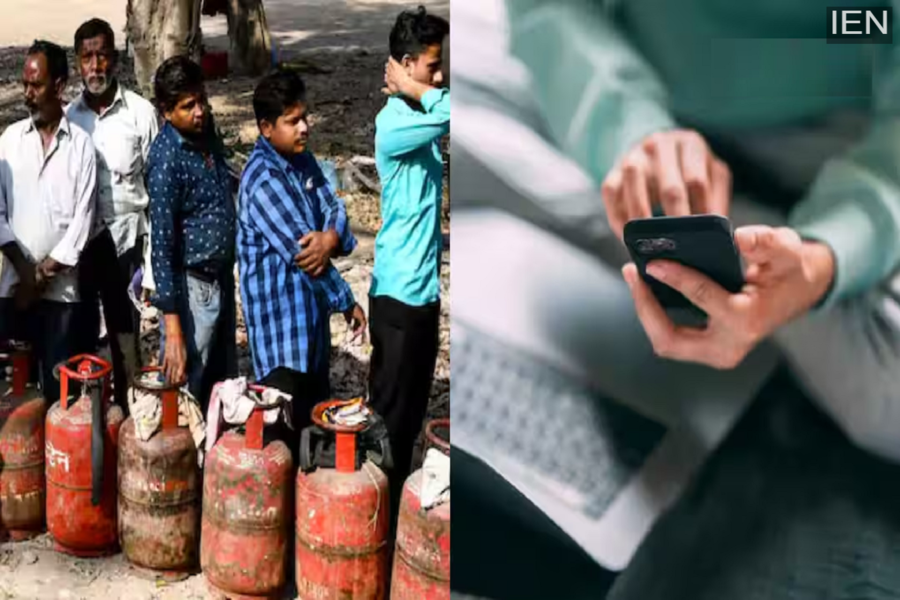
Scammers have devised a new method to defraud people, now being dubbed the “Cylinder Scam.” In this scheme, fraudsters pose as gas agency employees and call individuals.
Public anxiety regarding gas cylinders is on the rise across the country. Fueled by ongoing tensions and reports of conflict in the Middle East, rumors are circulating that India may face a shortage of LPG and petrol. Consequently, many people are attempting to book cylinders in advance or stockpile supplies. An atmosphere of fear and panic has taken hold among the general public. Cyber fraudsters are now capitalizing on this very fear. They have devised a novel method to swindle people—a scheme now being referred to as the “Cylinder Scam.”
In this scam, fraudsters call individuals while posing as employees of their respective gas agencies, attempting to extract their banking details by instilling fear. On March 12, the Delhi Police issued a warning to the public regarding this new form of cyber fraud by sharing a video on their official social media accounts. The police explained that this is a well-orchestrated scam in which fraudulent links are being sent to people by exploiting their fear of a potential gas shortage. So, let us explore the measures one can take to protect themselves from the “Cylinder Scam” that has emerged amidst the ongoing LPG crisis.
How the Cylinder Scam Works
According to the video released by the Delhi Police, the modus operandi of this scam is quite cunning. It begins with an individual receiving a call from an unknown number. The caller identifies themselves as an employee of the recipient’s gas agency. They speak with great confidence and authority to gain the recipient’s trust. The fraudster might say, “Sir, I am calling from your gas agency; have you booked your cylinder yet?” Hearing such an abrupt question, the individual is naturally taken aback and asks, “Why? What happened?” At this point, the fraudster makes a statement designed to induce panic. They claim that due to the ongoing conflict in the Middle East, India is facing an imminent and severe shortage of LPG; therefore, if the individual does not book their cylinder immediately, their allocated quota will be re-assigned to someone else. Upon hearing this, many people panic and begin making hasty decisions.
Sending of Fake Links
Once the victim falls into a state of panic, the scammer sends them a link via WhatsApp or SMS. They instruct the victim to click on the link and immediately fill in their details, claiming that this is the only way to book their gas cylinder; otherwise, the booking will be cancelled. Clicking on this link opens a fraudulent website that looks exactly like the official website of a genuine gas company. This site requests personal information such as bank details, card numbers, OTPs, or other private data. As soon as the individual enters this information, the cyber scammer drains the funds from their bank account.
How to Avoid the Cylinder Scam
If anyone sends you a link while instilling fear about a shortage of petrol or LPG, you should assume that it is likely a cyber scam. People are advised not to click on any unfamiliar links, not to share their bank details or OTPs with anyone, and not to blindly trust information received over the phone. According to the police, the sole objective of these calls is to spread fear among the public and siphon money from their bank accounts.
What to Do If You Suspect a Scam
If you receive such a call or message, do not panic. You should immediately call the National Cyber Crime Helpline at 1930 or visit www.cybercrime.gov.in to file an online complaint. If a complaint is filed promptly, there is often a possibility of recovering the stolen funds.
