
How to Check at Home Whether an LPG Cylinder Purchased on the Black Market Contains the Full Amount of Gas
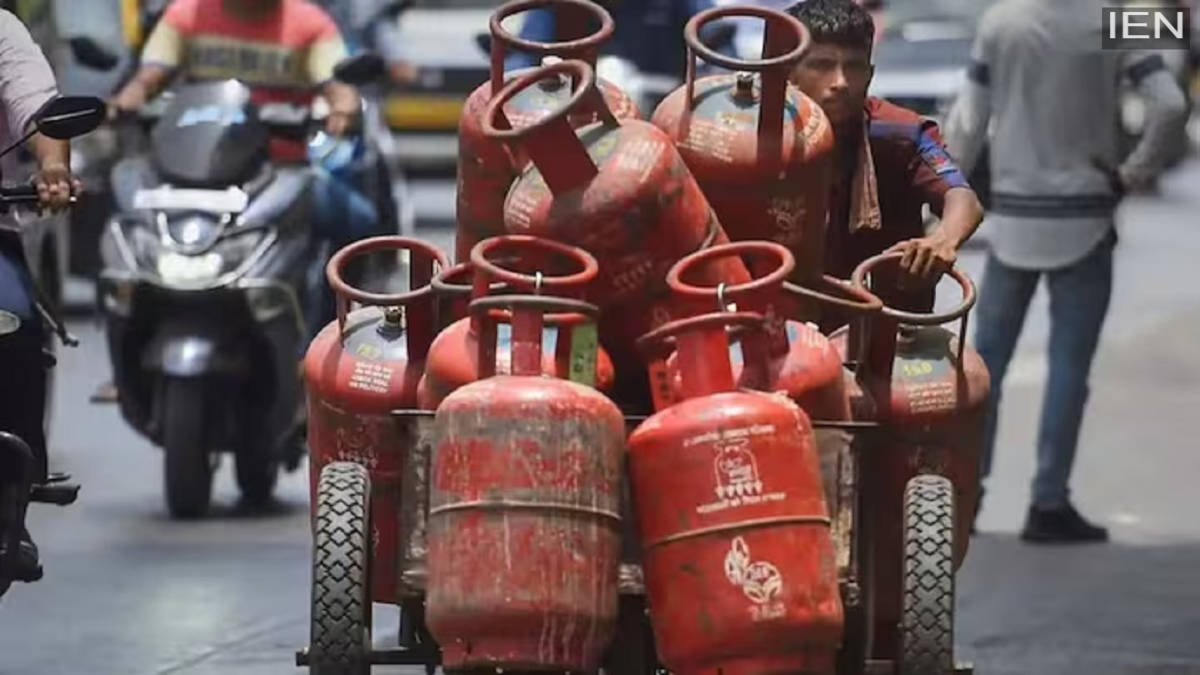
Gas Cylinder Weight: Buying a gas cylinder on the black market is a risky proposition. Is the gas quantity short? You can verify this yourself at home using simple methods. Learn which techniques to employ.
Gas Cylinder Weight: Given the current situation regarding LPG supply in the country, many people are resorting to purchasing LPG cylinders on the black market. However, to verify whether a cylinder obtained this way contains the full amount of gas, you can utilize several very simple and modern techniques. Often, when compelled by necessity to purchase a cylinder, people fall victim to fraud. This is because, without weighing the cylinder, it is difficult to determine whether it actually contains the full standard quantity of 14.2 kg of gas.
Tampering with the weight of gas cylinders has become quite a common practice these days. Therefore, the smartest way to safeguard your hard-earned money is to exercise caution at the very moment you take delivery of the cylinder. The steps outlined below will help you determine whether your cylinder is full or if you have been supplied with a reduced quantity of gas.
Check Using a Damp Cloth
This method is considered to be the most effective and scientifically sound approach, as it allows you to determine the gas level without the need for any specialized equipment. First, soak a cotton cloth in water until it is thoroughly wet, and then carefully wrap this damp cloth around the entire circumference of the gas cylinder. After removing the cloth, wait for approximately 2–3 minutes and then closely observe the surface of the cylinder.
You will notice that the water begins to evaporate very quickly from the upper section—the part of the cylinder that is empty.
Conversely, the section of the cylinder containing the actual gas will retain the moisture for a longer period and will appear visibly wet.
This phenomenon occurs because LPG gas is extremely cold; consequently, the portion of the cylinder containing the gas remains cool, preventing the moisture from evaporating rapidly.
Detecting Shortages by Checking Weight and Seal
If you prefer not to perform the water-based test, you can also detect potential gas theft by observing certain physical indicators. Carefully examine the plastic seal on the cylinder to check if it appears to have been tampered with (re-affixed) or if it is loose. This is because tampering with the thread and hologram present on the seal can be the most significant indication that gas has been siphoned off.
The total weight of a filled domestic cylinder (gas + weight of the cylinder) should be approximately 29.5 kg, comprising a total of 14.2 kg of gas.
Also, check the expiration date inscribed on the cylinder. If the cylinder is very old or dented, the risk of leakage is significantly higher.
The ‘Net Weight’ and ‘Tare Weight’ (the weight of the empty cylinder) are marked near the cylinder’s handle; be sure to check these details to get an accurate estimate of the quantity.
