
How to build a secure future by investing in PPF? Learn about the benefits—from tax savings to interest earnings..
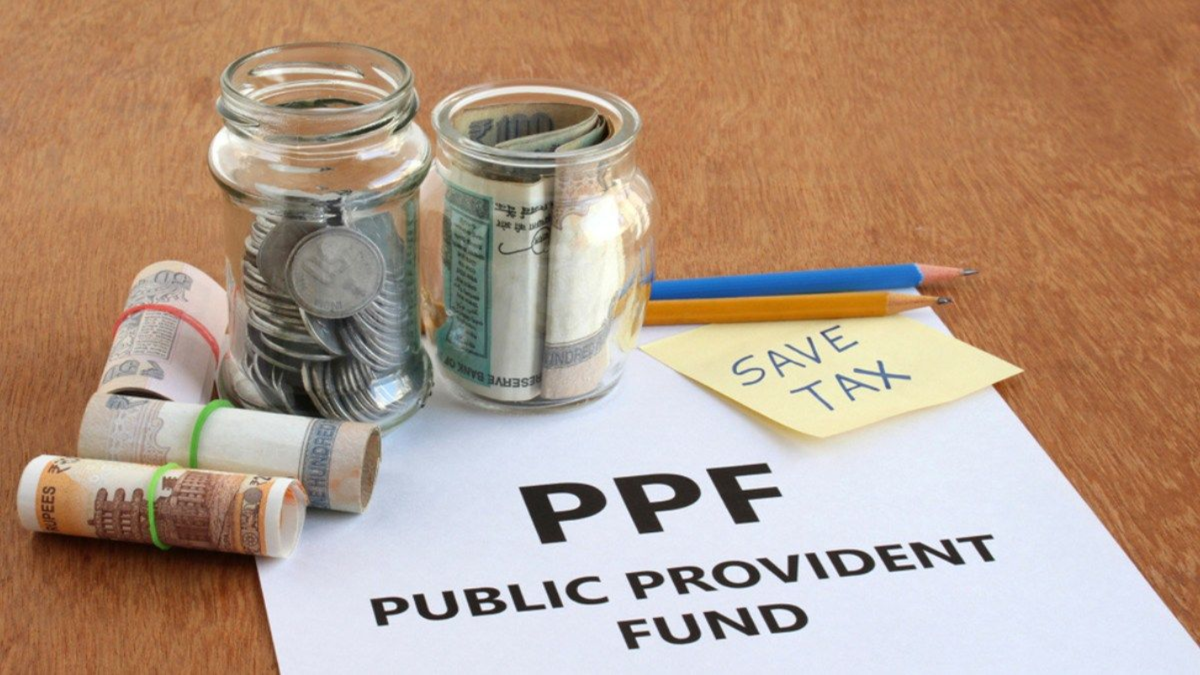
In these times of rising inflation, everyone wants to invest a portion of their earnings in a way that keeps their money secure while building a substantial nest egg for the future. For salaried employees, business owners, and the self-employed alike, planning for retirement and long-term savings is essential. In this context, the Public Provident Fund (PPF) stands out as a reliable option.
What is the PPF, and why is it special?
Economist Akash Jindal describes the PPF as a "gold-standard" scheme. Its primary advantage is that investments made into it fall under the central government’s small savings schemes, providing investors with a sense of security. Furthermore, the interest earned and the associated tax benefits make it an excellent vehicle for long-term savings.
Tax benefits: From investment to withdrawal
A key feature of the PPF is its tax treatment. Under the old tax regime, investments in a PPF account qualify for a deduction of up to ₹1.5 lakh per financial year under Section 80C of the Income Tax Act. However, this deduction is generally not available under the new tax regime.
Additionally, the interest earned on a PPF account is tax-free, and the maturity proceeds are also exempt from tax. In other words, investors enjoy tax benefits at all three stages: investment, interest accrual, and maturity. This is known as the "EEE" (Exempt-Exempt-Exempt) category.
Things to consider for a 15-year investment
The standard maturity period for a PPF account is 15 years; therefore, it is crucial to consider your future financial needs before investing. Akash Jindal notes that investors should be aware that the PPF offers limited liquidity—meaning it is not easy to withdraw funds immediately when the need arises. There are specific conditions that must be met for any premature withdrawal from the scheme. In such a scenario, if an individual anticipates a potential need for funds in the near future, they should not invest their entire savings into a Public Provident Fund (PPF). It would be prudent to set aside a separate fund for emergencies.
Useful for business owners and consultants as well
According to economist Akash Jindal, for those whose employment does not offer a provident fund facility—such as business owners, consultants, and the self-employed—a PPF can be an excellent option for building savings over the long term. It allows them to consistently set aside money for their future.
Disclaimer: This content has been sourced and edited from News18 Hindi. While we have made modifications for clarity and presentation, the original content belongs to its respective authors and website. We do not claim ownership of the content.
