
How to Add a Family Member's Name to Your Ration Card? Follow These Steps
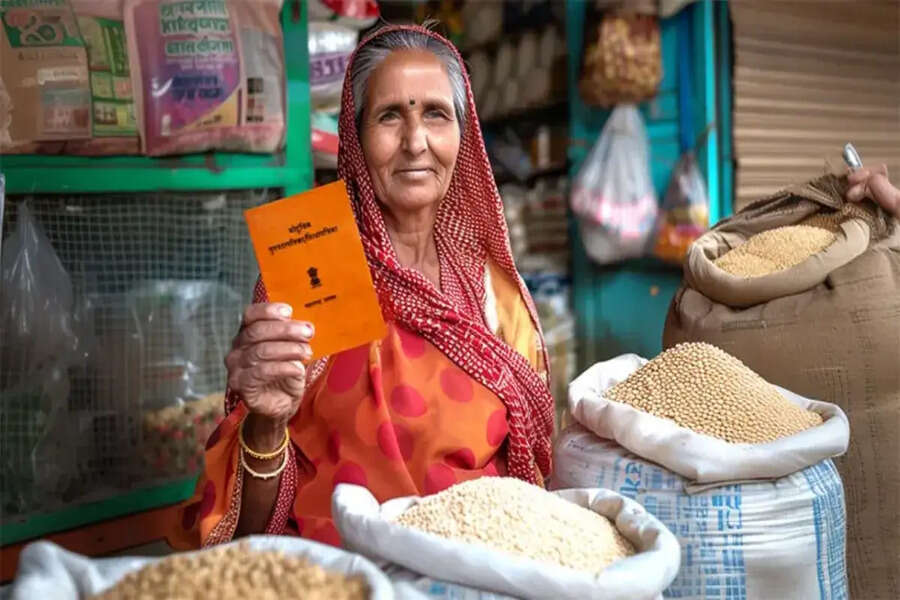
Ration cards serve as an essential document for individuals and families living below the poverty line, enabling them to access free or subsidized ration under schemes like the Antyodaya Yojana. If a new member has been added to your family—be it a newborn, spouse, or dependent—you can include their name on your ration card. Here's a step-by-step guide to the process.
Steps to Add a Family Member's Name to the Ration Card
Step 1: Visit Your State's Food Supply Department Website
- This process can be completed online through your state’s Food Supply Department portal.
- For instance, residents of Uttar Pradesh can visit the official website: https://fcs.up.gov.in/.
Step 2: Select the Option for Adding a Member
- On the homepage of the portal, look for the option titled "Add New Member’s Name to Ration Card" and click on it.
Step 3: Fill Out the Application Form
-
A form will appear where you need to fill in the details of the new member, such as:
- Full Name
- Age
- Relationship to the head of the family
-
Upload the required documents (listed below) and pay the applicable fee.
Step 4: Submit and Await Verification
- Once the application is submitted, the department will review the information and verify the documents.
- If everything is in order, the name will be added to your ration card, and you will be notified of the update.
Required Documents
To add a family member's name to the ration card, the following documents are typically required:
- Birth Certificate (for adding a child’s name).
- Aadhaar Card of the new member.
- Passport-Size Photograph of the head of the family holding the ration card.
- Marriage Certificate (if adding a spouse).
- Proof of Address (if applicable).
By following these steps, you can ensure that every eligible member of your family is included in your ration card, allowing them to avail the benefits of government schemes. For more information or state-specific guidelines, visit the official food supply website of your state.
