
How much will it cost to fill up a liter of petrol today? Check the latest fuel rates.
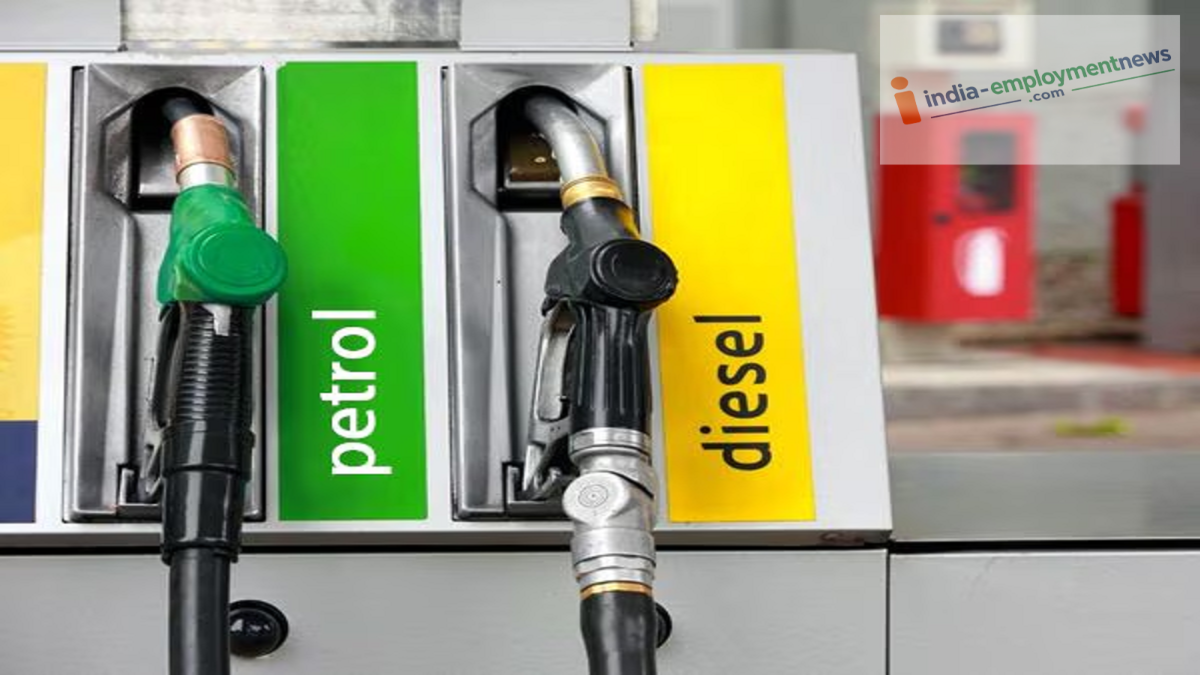
Rising costs of crude oil imports and increased domestic consumption are placing a financial burden on ordinary consumers. Fortunately, petrol and diesel prices in the country have remained stable for a long time.
Apprehensions regarding a hike in petrol and diesel prices across the country are mounting as crude oil prices in the global market continue to rise. The average price of crude oil has reached the level of approximately $100 per barrel—the highest in the last three months. Meanwhile, the consumption of petrol and diesel has also increased, raising concerns among daily commuters about rising transportation costs.
Brent crude, considered the global benchmark, is currently trading between $97.13 and $97.31 per barrel; in the previous session, it had even touched a high of $98.06. Meanwhile, the US benchmark WTI crude is trending around $92.63 to $92.70 per barrel, recording a rise of over 1.25%. This figure is a cause for concern for India, as the country imports more than 85% of its crude oil requirements. This sustained surge in crude oil prices has significantly increased the pressure regarding the oil import bill and the likelihood of a hike in retail petrol and diesel prices in the near future.
City-wise petrol and diesel prices
| City | Petrol Price (Per Litre) | Diesel Price (Per Litre) |
|---|---|---|
| Delhi | ₹102.12 | ₹95.20 |
| Mumbai | ₹111.31 | ₹97.97 |
| Kolkata | ₹113.51 | ₹99.82 |
| Chennai | ₹107.78 | ₹99.56 |
| Bareilly | ₹102.25 | ₹95.46 |
| Patna | ₹113.35 | ₹99.36 |
| Ranchi | ₹106.12 | ₹100.49 |
| Agra | ₹101.90 | ₹95.02 |
| Gwalior | ₹114.30 | ₹99.35 |
Why are petrol and diesel prices rising?
Amidst ongoing tensions in the Middle East, the US and Iran have recently attacked each other's ships and oil tankers. Following action taken by the US military against certain Iranian oil tankers, Iran has also targeted some US vessels. The deteriorating situation between the two nations has caused a stir in the global oil market. It is worth noting that this conflict has occurred in the Strait of Hormuz region, a maritime route through which approximately 20% (one-fifth) of the world's total oil trade passes. Amidst this climate of war, vessel traffic along this route has fallen to its lowest level since May; on average, only 10 commodity vessels are currently able to pass through daily. Fears of a disruption to the oil supply chain are causing prices to skyrocket.
