
How much more will a cylinder cost without eKYC after October 1? Understand the new refill rules.
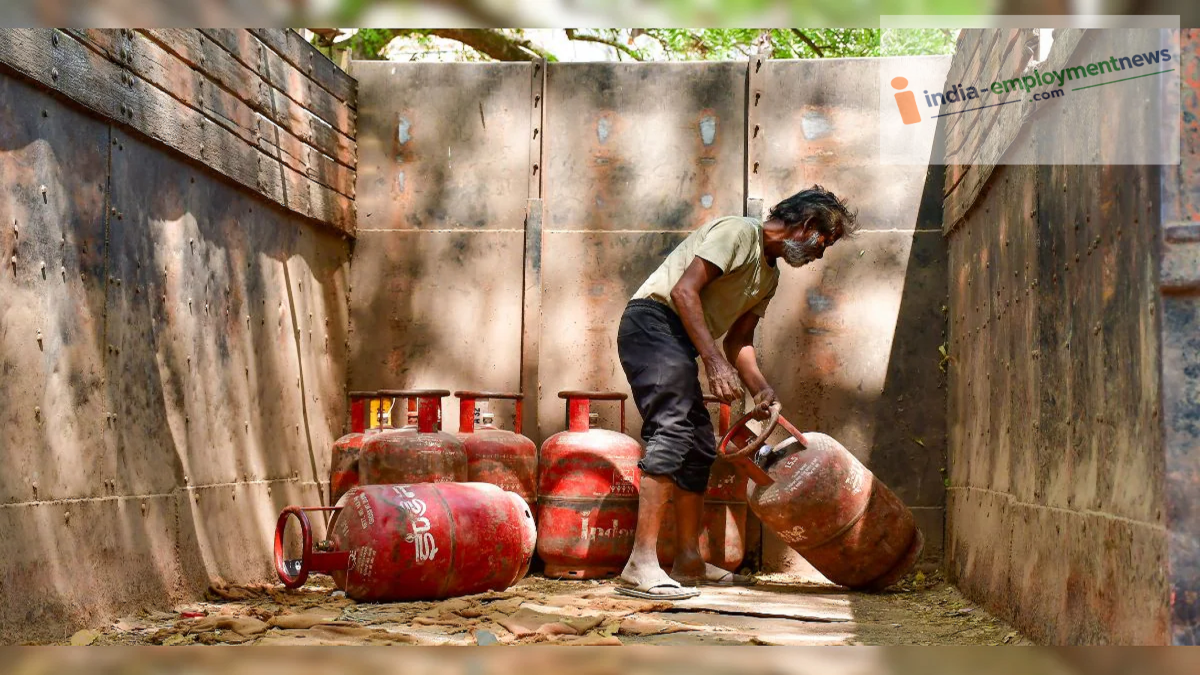
The objective behind implementing biometric eKYC is to prevent the use of subsidized domestic cylinders in hotels, *dhabas* (roadside eateries), and industrial units. Through this measure, the government aims to curb the prevalence of fake connections.
If you have a domestic LPG connection that attracts a subsidy, this news is for you. Starting October 1, 2026, customers will lose the subsidy benefit on domestic LPG cylinder purchases if eKYC (biometric Aadhaar authentication) has not been completed. In other words, if you do not complete your eKYC by tomorrow, September 30, 2026, you will have to purchase the cylinder at the market rate without the subsidy.
If, for some reason, you are unable to complete your eKYC by tomorrow, it does not mean your gas connection will be disconnected or that LPG deliveries to your home will stop. Without authentication, customers will still be able to purchase LPG, but at the applicable market price rather than the subsidized rate.
The Ministry of Petroleum and Natural Gas (MoPNG) reported that as of September 19, 274.3 million active domestic LPG customers (representing 89.9% of the total customer base) had completed biometric Aadhaar authentication. Customers who have already completed this process do not need to do it again.
How much subsidy do we receive?
The government does not provide a direct subsidy to ordinary consumers to shield them from fluctuations in crude oil prices in the international market. Unlike beneficiaries of the *Ujjwala Yojana*, money is not transferred directly into the bank accounts of general consumers; instead, the government provides financial assistance directly to oil companies to prevent gas prices in the market from spiraling out of control. As of September 2026, the government is itself bearing an indirect cost of approximately ₹210 per cylinder. If you fail to complete your e-KYC by September 30, 2026, the government will stop providing this indirect subsidy of ₹210. Consequently, you will have to purchase gas cylinders at the market rate. This means that prices in the coming months will be determined by international market trends, potentially leading to a higher cost per cylinder—possibly reaching ₹1,000 or more.
Who is eligible for the ₹300 subsidy?
The government provides a fixed subsidy of ₹300 per cylinder to beneficiaries of the Pradhan Mantri Ujjwala Yojana. This amount is transferred directly to their bank accounts via DBT (Direct Benefit Transfer). Under recent changes, Ujjwala Yojana beneficiaries will now receive this ₹300 subsidy on only the first four gas cylinders purchased in a year, whereas previously, it was available for nine cylinders.
Why is the government mandating e-KYC?
Many individuals across the country hold multiple gas connections (fake or duplicate) under the same name or address. Biometric verification—such as a thumbprint or facial scan (e-KYC)—reveals the actual identity of the connection holder, allowing fake connections to be blocked immediately. Some people obtain subsidized cylinders for domestic use but utilize them commercially in hotels, restaurants, or at weddings. e-KYC will completely curb this malpractice, ensuring that government subsidies reach only those who are genuinely entitled to them.
