
How much cash can you keep at home in a year? At what amount does tax apply? Understand the rules..
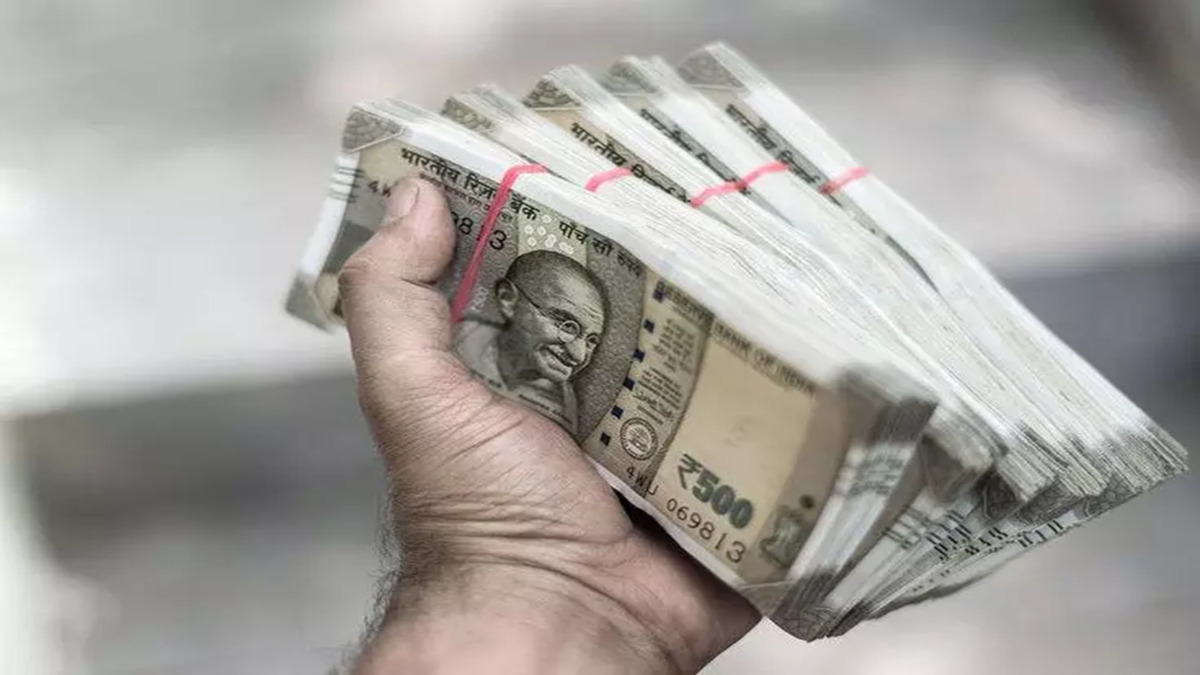
You should be aware of certain rules regarding keeping cash—whether in a bank account or at home—because some people tend to hoard large amounts of cash at home. When an inquiry arises for any reason, keeping such large sums can lead to scrutiny. While the Income Tax Department does not prohibit keeping cash at home, understanding the relevant rules ensures you avoid any trouble with the authorities.
According to the rules of the Indian Income Tax Department, there is no fixed limit on the amount of cash one can keep at home; legally, there is no upper cap. You may keep an unlimited amount of cash—whether it is ₹1 lakh, ₹1 crore, or more—at home. However, there are certain conditions you must be aware of.
**Cash must have a legitimate source**
Regardless of the amount of cash you keep at home, you must have a clear and accurate source for every single rupee. You should be able to clearly explain how and from where you acquired such a large amount of cash. If an Income Tax inquiry takes place at your home for any reason, you will be required to prove the source of every rupee. Failure to clearly explain the source of the cash could lead to complications.
**Taxes must be paid on cash kept at home**
You are required to pay tax on the taxable portion of your earnings. Consequently, any cash kept at home should correspond to that income. If the cash held at home exceeds your reported income, you must provide an account for that money. If the amount exceeds your income and you cannot demonstrate a legitimate source, you could face heavy taxes and fines under Section 69A of the Income Tax Act.
Keep all documents related to your income safe.
Your income is not limited to just your salary; it also includes interest earned on savings accounts, income from any business, returns on investments, and income from real estate. Tax is payable on the total taxable amount derived from all these sources combined. Since the Income Tax Department monitors every source of income, you should carefully preserve all relevant documents, as they will be required when filing your tax returns.
It is worth noting that there is an annual limit of ₹10 lakh for cash deposits into bank accounts. This limit applies to the total cash deposited throughout the year, rather than to a single transaction. If you deposit more than ₹10 lakh into your account, you are required to declare the legitimate source of these funds and pay the applicable tax. However, if you have a proper record of every penny, there is no need to worry.
Disclaimer: This content has been sourced and edited from NDTV India. While we have made modifications for clarity and presentation, the original content belongs to its respective authors and website. We do not claim ownership of the content.
