
How many notes can you exchange at a bank in a single day? What are the rules?
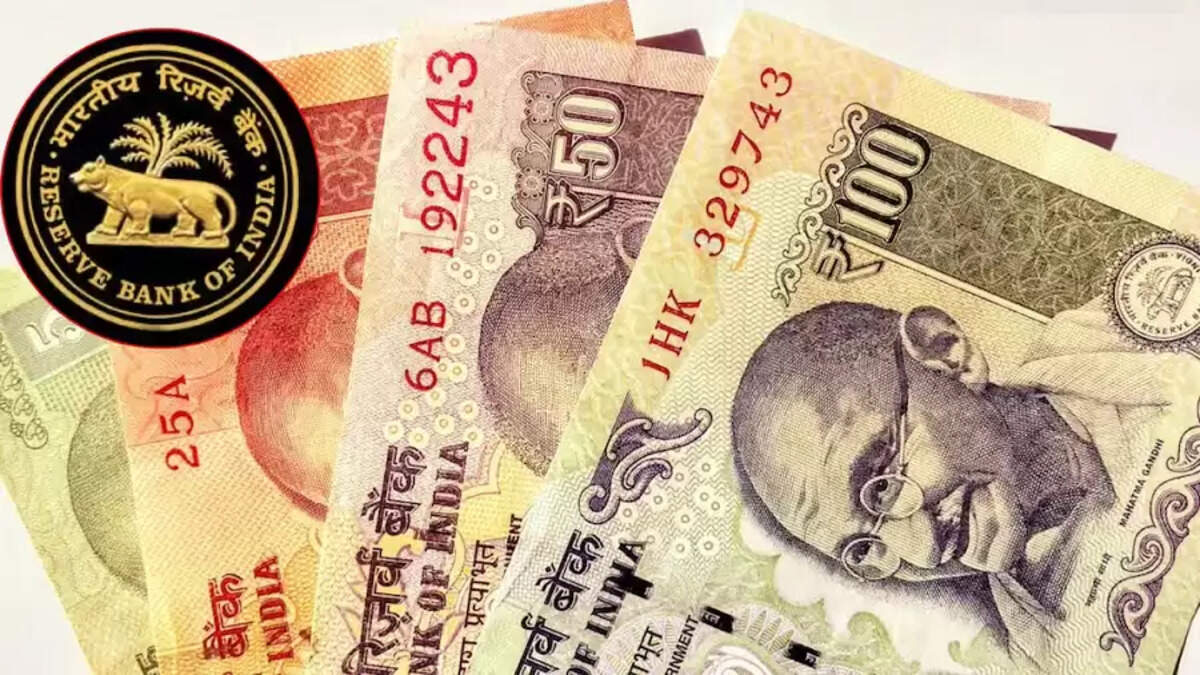
According to RBI rules, a person can exchange a maximum of 20 notes at a time. The total value of these notes should not exceed Rs. 5,000. In this case, the bank makes the payment immediately at the counter.
Often, people end up with torn, soiled, or stained notes. Sometimes, even ATMs dispense such notes, which causes inconvenience. Many times, shopkeepers refuse to accept such notes, and people are unaware of how to exchange them. Therefore, it's important to know what rules the Reserve Bank of India (RBI) has made regarding the exchange of these notes and how many notes a bank exchanges in a day.
How many notes can be exchanged in a day?
According to RBI rules, a person can exchange a maximum of 20 notes at a time. The total value of these notes should not exceed Rs. 5,000. In this case, the bank makes the payment immediately at the counter. However, if the total value of the notes is more than this, the bank accepts the notes, and the money is deposited into your bank account. Exchanging notes worth more than Rs. 50,000 may take some time.
Does the bank charge a fee for exchanging notes?
According to RBI guidelines, there is usually no fee for exchanging torn or damaged notes. However, whether you receive the full amount depends on the condition of the note. In some cases, especially with severely damaged notes, you might receive a reduced amount. The bank exchanges all notes that are clearly identifiable and have the necessary security features. This includes soiled, torn, or slightly damaged notes. If a note is completely burnt or intentionally damaged, the bank may refuse to exchange it.
What happens to severely damaged notes?
Notes that are badly burnt, stuck together, or in very poor condition may be refused by regular bank branches. Such notes can be exchanged at the RBI's issue offices, where they are evaluated differently. The RBI has also clarified that no bank can refuse to exchange torn, mutilated, or soiled notes. The bank determines the value of the note based on the remaining portion and makes the payment accordingly.
Full value for smaller denominations
According to RBI rules, there is no provision for giving half the value for notes ranging from ₹1 to ₹20. Full value is given for such notes. However, for notes from ₹50 to ₹500, some deduction may be made depending on the condition of the note. In guidelines issued in April 2017, the RBI stated that all banks are obligated to exchange torn and mutilated notes for their customers. This service is free, and no extra fee can be charged for it.
